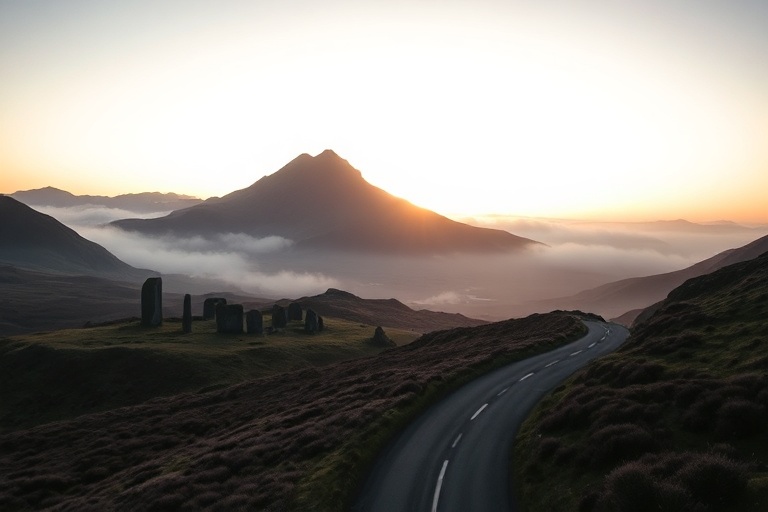
Scotland’s rugged landscapes and storied past have left an indelible mark on global culture, politics, and innovation. From the misty highlands to the vibrant streets of Glasgow and Edinburgh, this nation of just over 5 million people packs a cultural punch far beyond its size. Its history of resilience, creativity, and intellectual ambition continues to shape its identity and influence far beyond its borders.
The country’s relationship with the rest of the world has evolved dramatically over centuries. Once a powerhouse of Enlightenment thought, Scotland now stands as a modern nation within the United Kingdom, yet it retains a distinct voice on the global stage. Its contributions to literature, science, sport, and music have earned it a place in the international imagination—one that blends myth and modernity in equal measure.
The Power of Scottish Heritage in a Global Context
Scotland’s past is not merely a collection of battles and kings; it is a foundation for contemporary cultural identity. The country’s Gaelic roots, Viking interactions, and Celtic traditions have created a rich tapestry that resonates worldwide. Festivals like Hogmanay in Edinburgh and the Glasgow International Comedy Festival draw visitors from every continent, proving that tradition can thrive alongside innovation.
Literature is perhaps Scotland’s most globally recognized export. The works of Robert Burns, Sir Walter Scott, and more recently, Irvine Welsh and Ali Smith, have shaped literary movements and inspired generations. Burns Night, celebrated every January 25th, is observed from Tokyo to Toronto, a testament to the enduring appeal of Scottish storytelling.
Beyond books, Scotland’s historical figures continue to inspire. Figures like philosopher David Hume and economist Adam Smith laid groundwork for modern thought, while figures like Mary, Queen of Scots, remain subjects of fascination centuries later. This blend of intellectual legacy and cultural mystique ensures Scotland’s past is never truly past.
Scotland’s Place in the Modern World: Economy and Innovation
While tourism and whisky often dominate perceptions of Scotland’s economy, the country is also a hub for cutting-edge industries. Edinburgh, the capital, has earned the nickname “Silicon Glen” for its thriving tech sector, home to companies like Skyscanner and FanDuel. Glasgow, meanwhile, has become a center for advanced manufacturing, particularly in aerospace and renewable energy.
The energy sector is undergoing a transformation. Scotland is a global leader in renewable energy, generating nearly 90% of its electricity from renewables in 2023. Offshore wind farms in the North Sea and ambitious hydrogen projects position Scotland as a key player in the global transition to clean energy. This shift is not just economic—it reflects a national commitment to sustainability and environmental stewardship.
Scotland’s financial services sector, centered in Edinburgh, remains one of the strongest in Europe. The Royal Bank of Scotland and other institutions play a crucial role in international markets, while Edinburgh’s UNESCO-listed Old and New Towns serve as a backdrop to a modern financial hub.
Key Industries Driving Scotland’s Economy
- Renewable Energy: Leading the UK in wind, hydro, and tidal power.
- Tech Innovation: Home to over 1,000 digital tech firms, including unicorns like Skyscanner.
- Tourism: Employs 1 in 12 workers and contributes nearly £5 billion annually.
- Whisky Production: Exports over £6 billion worth of single malt annually to 180+ countries.
- Life Sciences: Edinburgh’s BioQuarter is a global leader in medical research and biotech.
Cultural Export: How Scotland Influences the World
Scotland’s cultural influence extends into music, film, and fashion. The global success of artists like Annie Lennox, Calvin Harris, and Lewis Capaldi has brought Scottish sounds to living rooms worldwide. Meanwhile, films like Braveheart and Trainspotting have shaped international perceptions of Scottish identity—though often through a lens of romanticism or grit.
Scottish fashion, too, has found its footing on the global stage. Designers like Christopher Kane and Jean Muir have redefined contemporary style, while tartan and tweed remain symbols of heritage that are reinterpreted by luxury brands from Burberry to Alexander McQueen.
The country’s festivals have become cultural landmarks. The Edinburgh Festival Fringe, the world’s largest arts festival, attracts over 3 million attendees each August. It’s a platform where avant-garde theatre, comedy, and performance art from around the world converge, yet it remains deeply rooted in Scottish creativity.
Challenges and Opportunities: The Future of Scotland
Scotland faces complex choices about its future. The 2014 independence referendum and ongoing debates about Brexit have kept questions of sovereignty and identity in the spotlight. While economic independence remains a goal for many, the practical realities of transitioning from the UK pound to a new currency or rejoining the EU present formidable challenges.
Demographically, Scotland is aging, with a median age of 43—higher than the UK average. This shift puts pressure on healthcare and social services, but it also creates opportunities for innovation in elder care and sustainable communities. Young professionals are increasingly drawn to Scotland’s quality of life, affordable cities, and strong universities, reversing decades of brain drain.
Climate change poses both a threat and an opportunity. Rising sea levels and extreme weather events challenge coastal communities, yet Scotland is also positioned to lead in climate adaptation and green technology. Its universities are at the forefront of research into carbon capture, peatland restoration, and sustainable agriculture.
As Scotland navigates these challenges, it does so with a clear sense of its strengths: a highly educated population, a strong civil society, and a culture that values both tradition and innovation. Whether through its whisky, its wind turbines, or its writers, Scotland continues to shape global conversations in ways both visible and subtle.
What the World Sees in Scotland
- Myth and Romance: Castles, kilts, and legends of clans.
- Innovation and Progress: From penicillin to the steam engine to modern AI research.
- Authenticity and Identity: A nation that embraces its past while forging a distinct future.
- Resilience: Surviving economic shifts, political change, and environmental pressures.
- Global Reach: Through music, film, literature, and technology.
Scotland is more than a destination—it is a narrative. A story of survival, creativity, and reinvention. In an era where national identities are often contested or diluted, Scotland offers a compelling example of how a nation can honor its past while confidently shaping its future. Its influence may not always be loud, but it is persistent, woven into the fabric of global culture in ways both seen and unseen.
For those who visit, study, or engage with Scotland from afar, the country offers something rare: a sense of belonging to something both ancient and alive. Whether standing on the windswept Isle of Skye or walking the cobbled streets of Aberdeen, one feels the weight of history—and the promise of what comes next.