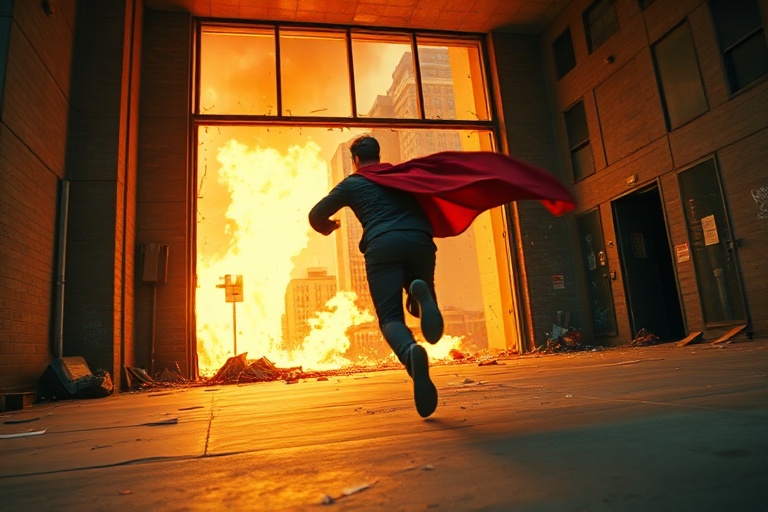
The Boys Season 5 Episode 7: Homelander’s Fall and the Cost of Power
Season 5 of The Boys has consistently delivered high-stakes drama, and Episode 7 marks a pivotal moment in the power struggle between the Seven and the forces opposing them. This episode not only escalates the tension but also redefines the moral landscape of the series, forcing characters to confront choices that will shape the future of Vought and its superhuman empire.
The episode opens with a stark contrast between public perception and reality. While Homelander maintains his godlike facade, his unraveling psyche becomes impossible to ignore. His erratic behavior, fueled by paranoia and desperation, sets the stage for a confrontation that feels inevitable. Meanwhile, the Boys and their allies are forced into a desperate alliance, one that tests the limits of trust and survival.
The Unraveling of Homelander’s Illusion
Homelander’s facade as America’s beloved hero has always been fragile, but Episode 7 strips away the last remnants of his control. His violent outbursts, including the chilling moment where he nearly kills a civilian, reveal the depth of his instability. This isn’t just a character moment—it’s a narrative turning point. The episode forces viewers to question whether Homelander can ever be stopped, or if he will burn everything down before he falls.
The psychological toll on Homelander is palpable. His interactions with Ryan, now a teenager caught between his father’s influence and his own moral compass, highlight the generational consequences of Vought’s experiments. Ryan’s arc in this episode is particularly compelling, as he begins to see his father not as a hero but as a monster. This dynamic adds a layer of tragedy to the story, reminding audiences that the true victims of Vought’s corruption are often the ones trapped within its system.
Alliances and Betrayals in the Fight Against Vought
The episode also deepens the fractured alliances among the anti-Vought forces. The Boys, now operating in the shadows, find themselves at odds with new players who may not share their goals. The introduction of a mysterious new faction—one with its own agenda—adds a layer of unpredictability to the conflict. This isn’t just about defeating Homelander anymore; it’s about who will control the narrative in a post-Vought world.
The tension between Hughie and Soldier Boy reaches a boiling point, culminating in a brutal confrontation that leaves both men battered and questioning their paths. Soldier Boy’s return has been one of the season’s most intriguing developments, and his presence forces the Boys to confront their own methods. Is violence the only answer, or has the cycle of brutality become self-defeating?
Key Moments in Episode 7
- Homelander’s Meltdown: His public breakdown during a press conference exposes the cracks in his carefully constructed image.
- Ryan’s Awakening: The teenager’s refusal to blindly obey his father signals a potential shift in the power dynamic.
- The New Faction: A shadowy group emerges with its own plans for Vought, complicating the Boys’ mission.
- Soldier Boy’s Return: His brutal fight with Hughie forces the team to question their own tactics.
- Madelyn Stillwell’s Legacy: A flashback reveals new details about her role in Vought’s experiments, deepening the mystery of her death.
Broader Implications: The Future of The Boys Universe
The events of Episode 7 extend beyond the immediate conflict, raising questions about the future of superpowered individuals in society. If Homelander falls, who fills the power vacuum? Will Vought’s experiments continue under a different name? The episode suggests that the fight against corruption is far from over, even if the Boys manage to take down Homelander.
Moreover, the episode’s exploration of media manipulation feels eerily prescient. Homelander’s ability to manipulate public perception mirrors real-world issues of propaganda and misinformation. The show’s critique of celebrity culture and unchecked power resonates in an era where influencers and corporate leaders often wield disproportionate influence over public opinion.
The introduction of new characters with ambiguous motives also hints at a larger conspiracy within Vought. Are there factions within the company that want to dismantle Homelander, or is the entire system too entrenched to reform? These questions set the stage for the season’s final episodes, where the stakes will only grow higher.
Why This Episode Matters for the Series
Episode 7 of The Boys Season 5 is more than just a bridge to the finale—it’s a redefinition of the show’s core themes. The series has always been about power, corruption, and the cost of heroism, but this episode forces characters and audiences alike to confront the consequences of their actions. The moral ambiguity that has defined the show from the beginning reaches a new peak here, as even the “good guys” are forced to make difficult choices.
The episode also serves as a reminder of why The Boys stands out in the superhero genre. Unlike traditional comic book adaptations, the show doesn’t glorify its superpowered characters. Instead, it exposes the rot beneath the surface, showing how power corrupts and how easily heroes can become villains. Homelander’s arc is a masterclass in this deconstruction, and Episode 7 cements his place as one of the most compelling antagonists in modern television.
As the season hurtles toward its conclusion, one thing is clear: the fallout from this episode will ripple through the remaining episodes, reshaping alliances, betrayals, and the very future of Vought. For fans, it’s a reminder that The Boys isn’t just about spectacle—it’s about the messy, often brutal reality of power.
With only a few episodes left, the stakes have never been higher. Will Homelander’s reign finally end, or will he drag everyone down with him? And what kind of world will emerge from the ashes of Vought’s empire? These are the questions that will keep viewers on the edge of their seats until the final credits roll.
For more on the themes explored in this episode, check out our analysis of Vought’s corporate corruption and the moral dilemmas facing modern antiheroes in superhero narratives.