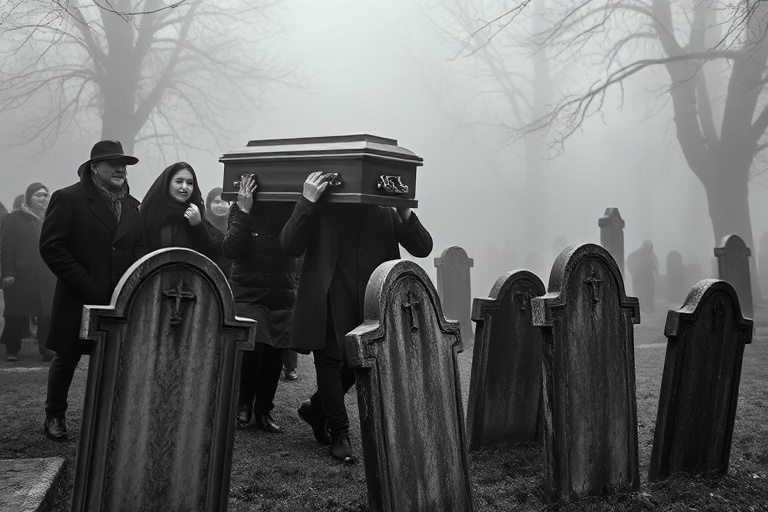
The funeral serves as more than a farewell—it is a bridge between memory and legacy. Across cultures and centuries, these ceremonies have evolved, yet their core purpose remains unchanged: to commemorate a life lived while offering closure to those left behind. From elaborate Victorian-era mourning rituals to modern minimalist celebrations of life, funerals reflect societal values, personal beliefs, and the emotional needs of communities.
What makes funerals a subject of such enduring significance? Their role extends beyond grief. They provide structure during chaos, a space for collective mourning, and an opportunity to celebrate individuality. As societal norms shift, so too do funeral practices, adapting to new technologies, environmental concerns, and changing attitudes toward death itself.
The Historical Roots of Funeral Rituals
Funeral traditions trace back to ancient civilizations, where burial practices were often tied to religious or spiritual beliefs. The Egyptians, for example, perfected mummification to preserve the body for the afterlife, while the Vikings sent their dead to sea on burning ships, believing this would guide their spirits to Valhalla. In medieval Europe, funerals became elaborate displays of social status, with the wealthy commissioning ornate tombs and the poor relying on communal graves.
By the 19th century, funerals in Western societies became highly ritualized events. Mourning attire, such as black crepe and veils, was de rigueur for widows and close family members. The Victorian era even introduced post-mortem photography—a practice where the deceased were posed to appear alive, offering families a final keepsake. These customs were not merely about death; they were about maintaining social order and expressing grief within acceptable boundaries.
Today, many of these traditions have faded, replaced by more personalized approaches. However, their influence persists in modern funeral customs, from the use of hearses to the practice of viewing the deceased. The past reminds us that funerals have always been as much about the living as they are about the dead.
Modern Funerals: Personalization and Innovation
Contemporary funerals are increasingly defined by individuality. Families no longer default to one-size-fits-all ceremonies; instead, they curate experiences that reflect the personality, passions, and values of the deceased. This shift has given rise to a variety of alternatives to traditional burials and funerals.
One notable trend is the rise of “life celebration” services, which prioritize storytelling over solemnity. Instead of somber hymns, these events might feature live music, photo displays, or even themed decorations based on the deceased’s hobbies. For example, a gardener might be honored with a funeral held in a greenhouse, surrounded by their favorite plants, while a jazz enthusiast could have a service featuring live performances of their favorite tunes.
Environmental concerns have also spurred innovation in funeral practices. Green burials, which avoid embalming fluids and use biodegradable caskets, are gaining traction as people seek to minimize their ecological footprint even in death. Similarly, water cremation (or alkaline hydrolysis) is emerging as a more sustainable alternative to traditional flame-based cremation, reducing carbon emissions by up to 35%.
Key Trends Shaping Modern Funerals
- Direct Cremation: A no-frills, cost-effective option that allows families to hold memorial services at a later date, if desired.
- Virtual Memorials: Online platforms enable remote participation in funerals, accommodating loved ones who cannot attend in person.
- Memory Jewelry: Incorporating ashes or DNA into wearable keepsakes, such as rings or glass pendants.
- Eco-Friendly Options: Biodegradable urns, tree pods for burial, and reef burials that turn ashes into marine habitats.
- Personalized Caskets: Custom-designed coffins that reflect the individual’s life, from sports teams to favorite books.
The funeral industry has responded to these changes by offering more flexible services. Many providers now offer modular packages, allowing families to select only the elements they want, from transportation to multimedia tributes. This shift not only caters to diverse budgets but also honors the unique ways people choose to say goodbye.
The Psychological and Social Impact of Funerals
Funerals play a critical role in the grieving process. Research in psychology suggests that structured rituals help individuals process loss by providing a sense of closure and continuity. The act of gathering with others who share in the mourning can reduce feelings of isolation, validating the pain of loss while offering support.
However, funerals are not universally beneficial. For some, rigid traditions can feel oppressive, especially if they conflict with personal beliefs or cultural practices. The pressure to adhere to societal norms—such as wearing black or suppressing emotions—can hinder genuine healing. This has led to the rise of alternative ceremonies, such as “celebrations of life,” which emphasize joy and remembrance over sorrow.
Cultural differences further highlight the complexity of funeral practices. In some societies, such as those in parts of Africa and Latin America, funerals are vibrant, multi-day events filled with music, dance, and feasting. These celebrations serve not only to honor the dead but also to reinforce community bonds. In contrast, many Western cultures have historically viewed funerals as somber occasions, though this is gradually changing as personalization becomes more accepted.
The Future of Funerals: Technology and Tradition
As technology advances, so too do the possibilities for funeral practices. One of the most controversial innovations is the use of artificial intelligence to create digital avatars of the deceased. Companies now offer AI-generated holograms that can “speak” at funerals, delivering personalized messages or even engaging in simulated conversations with attendees. While some find this idea comforting—a way to feel closer to the departed—others view it as a macabre distortion of grief.
Another emerging trend is the use of blockchain to manage funeral-related logistics. Digital platforms now allow families to store and share important documents, such as wills and burial preferences, securely and accessibly. This reduces the administrative burden during an already stressful time while ensuring that final wishes are honored.
The COVID-19 pandemic accelerated many of these changes, forcing the funeral industry to adapt rapidly. With restrictions on gatherings, many turned to livestreamed services, virtual condolence books, and drive-by visitations. While these solutions were born out of necessity, they have since become permanent fixtures in many funeral homes’ offerings, proving that tradition and innovation can coexist.
What Lies Ahead?
The future of funerals will likely be shaped by three key factors:
- Sustainability: As environmental concerns grow, more people will opt for green burials and carbon-neutral cremation methods.
- Personalization: Families will continue to demand unique, meaningful ceremonies that reflect the individuality of the deceased.
- Technology: Innovations like AI and blockchain will redefine how we memorialize and interact with the dead, though ethical debates will persist.
Regardless of these changes, the fundamental purpose of funerals remains unchanged: to provide a space for grief, remembrance, and healing. As society evolves, so too will the rituals we use to mark the end of life—but the need for connection and closure will endure.
Conclusion
Funerals are a mirror to society, reflecting our values, fears, and hopes about life and death. They are not merely events but profound experiences that shape how we process loss and honor those we’ve loved. Whether through traditional ceremonies or cutting-edge innovations, the act of saying goodbye remains a universal human need.
As we move forward, the challenge will be balancing tradition with progress, ensuring that funerals continue to serve their purpose without losing their humanity. In an era of rapid change, one thing is certain: the way we bury our dead will always reveal as much about the living as it does about the departed.
For those interested in exploring funeral traditions further, consider reading about cultural practices around the world or how technology is reshaping memorialization.