The Hidden Costs and Complexities of Everyday Traffic
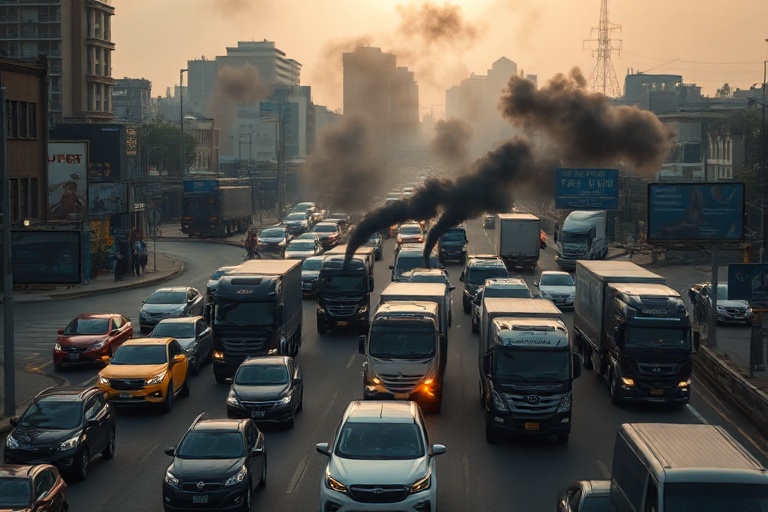
The daily commute has become a ritual for millions, a shared experience that binds urban dwellers together in frustration and resignation. Traffic is no longer just a nuisance—it’s a phenomenon that shapes economies, influences urban planning, and even redefines social interactions. Whether it’s the crawl of rush hour on a Los Angeles freeway or the stop-and-go rhythm of Mumbai’s streets, traffic is a universal language of modern life. But what lies beneath the surface of this daily struggle?
The Psychology Behind Traffic Jams
Traffic isn’t just a physical phenomenon; it’s a psychological one. Studies have shown that congestion triggers stress responses comparable to those experienced in high-pressure work environments. The uncertainty of when the jam will clear, the frustration of being stuck with no clear cause, and the helplessness of being unable to change the situation all contribute to a sense of powerlessness. Psychologists refer to this as “traffic stress,” a condition that can linger long after the commute ends.
Interestingly, the mere presence of other cars can create a feedback loop. When one driver slows down to merge, others follow suit, often unnecessarily. This behavior, known as “phantom traffic,” occurs even when there’s no clear obstacle. It’s a reminder that traffic is as much about human behavior as it is about infrastructure.
How Technology is Changing the Game
Apps like Waze and Google Maps have revolutionized how people navigate traffic. By crowdsourcing real-time data, these platforms reroute drivers to avoid congestion, theoretically reducing travel time. Yet, this solution comes with unintended consequences. As more drivers rely on the same shortcuts, those routes become clogged, shifting the problem rather than solving it. The result is a digital arms race where the fastest algorithm wins, but the road loses.
Beyond navigation, smart traffic lights are being tested in cities like Pittsburgh and Los Angeles. These systems use AI to adjust signal timings based on live traffic patterns, reducing wait times at intersections. Early results show a 10-20% improvement in traffic flow, proving that technology can mitigate, if not eliminate, the gridlock problem.
The Economic Cost of Sitting Still
Traffic isn’t just an inconvenience—it’s an economic drain. According to the Texas A&M Transportation Institute, congestion cost the U.S. economy $120 billion in 2022 alone. That figure includes lost productivity, wasted fuel, and increased vehicle maintenance. For businesses, delayed shipments and late employees translate to real financial losses. In cities like New York and Chicago, the annual cost per driver can exceed $2,000.
The ripple effects extend beyond individual wallets. Cities with chronic traffic issues struggle to attract talent and investment. Companies hesitate to set up offices in areas where employees face hours-long commutes. Even tourism suffers, as visitors grow weary of navigating congested streets. The economic toll of traffic is a silent tax on urban life.
Urban Planning: The Root of the Problem?
Much of today’s traffic crisis stems from decisions made decades ago. Cities like Los Angeles and Atlanta were designed with cars in mind, prioritizing highways over public transit. The result is a sprawling metropolis where driving is the only viable option. In contrast, cities like Tokyo and Stockholm invested early in robust public transportation systems, keeping traffic manageable.
Modern urban planners are rethinking these models. Concepts like “complete streets” aim to create roadways that accommodate all users—pedestrians, cyclists, and drivers alike. Bike lanes, dedicated bus routes, and pedestrian-friendly designs are slowly being integrated into cityscapes. Yet, the transition is slow, often met with resistance from drivers accustomed to car-centric infrastructure.
What’s Next for Traffic? Innovations on the Horizon
The future of traffic may lie in automation. Self-driving cars promise to reduce human error, which accounts for 94% of accidents. With vehicles communicating wirelessly, platooning—where cars travel closely together at high speeds—could dramatically increase road capacity. Tesla, Waymo, and other companies are already testing these technologies, though widespread adoption remains years away.
Another potential solution is congestion pricing, a strategy where drivers pay a fee to enter high-traffic areas during peak hours. London and Singapore have successfully implemented this model, reducing traffic by up to 30%. Critics argue it unfairly targets lower-income drivers, but proponents see it as a necessary tool to manage demand.
The Role of Alternative Transportation
As cities densify, alternatives to driving are gaining traction. E-scooters and bike-sharing programs offer last-mile solutions, reducing the need for short car trips. In Amsterdam, bicycles outnumber cars, and the city’s cycling infrastructure makes it a model for sustainable urban mobility. Even in car-dependent cities, these options are becoming more viable.
Public transit remains the backbone of any traffic solution. Light rail, subways, and buses can move large numbers of people efficiently, but they require significant investment. Cities like Denver and Seattle are expanding their transit networks, proving that when alternatives are convenient and reliable, people will use them.
Conclusion: Rethinking Our Relationship with Traffic
Traffic is more than a series of red brake lights and honking horns—it’s a reflection of how we design our cities, how we prioritize our time, and how we interact with each other. While technology and policy can ease the burden, the root causes run deeper. The challenge ahead isn’t just about building smarter roads or faster apps; it’s about reimagining how we move through the world.
For now, the daily commute remains a shared experience, a collective sigh of frustration at 5 PM. But with innovation and foresight, that sigh could one day turn into a breath of relief. Until then, the road ahead is still under construction.
To explore more about urban mobility and its challenges, check out our News and Technology sections for deeper analysis.