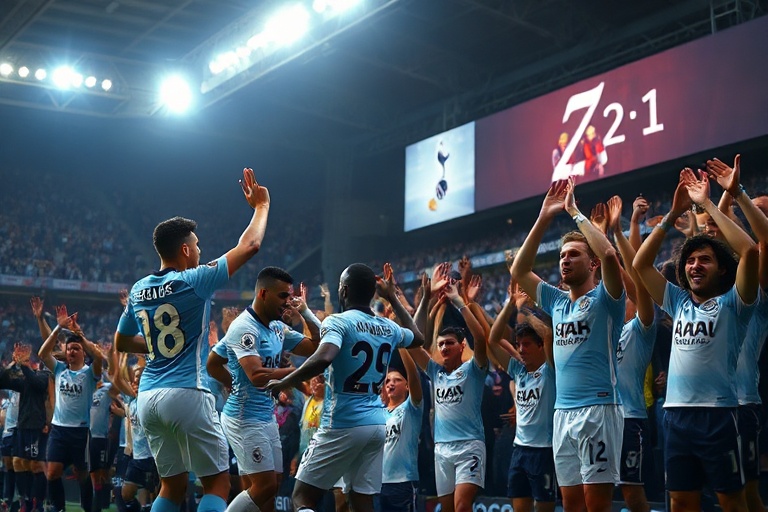
The Premier League’s relegation scrap has reached its most intense phase this season, with Tottenham Hotspur and West Ham United locked in a desperate fight for survival. While the spotlight often shines on title contenders, the battle against the drop can be just as compelling—and in 2024, this clash carries global significance far beyond English football.
These two clubs, representing London’s most famous postcodes, embody contrasting narratives. Tottenham, a club with a history of near-misses and financial turbulence, faces the unthinkable after years of ambition. West Ham, once a lower-league side, has risen through smart investment and a European campaign that captured global attention. Both now stare into the abyss of the Championship, where relegation would reshape their futures in ways that ripple through global football culture.
The Global Stakes of Relegation
Relegation isn’t just a sporting setback—it’s a cultural and financial earthquake. For clubs like Tottenham and West Ham, dropping to the Championship means losing tens of millions in TV revenue, sponsorship deals, and player value. But the impact extends far beyond balance sheets.
In Asia, where Premier League viewership has exploded over the past decade, relegation would mean a sharp decline in broadcast rights value. Clubs like Tottenham and West Ham have built massive fanbases in markets like China, India, and Southeast Asia, where digital engagement and merchandise sales depend on top-flight status. A dip to the second tier could erode years of carefully cultivated relationships with sponsors like AIA, who sponsor both clubs.
- Broadcast revenue loss: Estimated £100m+ per season for Premier League clubs vs. £30m in the Championship.
- Sponsorship impact: Global partners may re-evaluate long-term deals if exposure drops.
- Player exodus: Stars like James Ward-Prowse or Son Heung-min could attract interest from Europe’s elite.
- Fan culture shift: Relegation often leads to protests, board scrutiny, and even ownership changes.
In Africa and the Middle East, where Premier League is a primary source of football entertainment, relegation would disrupt local fan engagement strategies. Clubs like Tottenham and West Ham rely on youth academies and community programs in these regions to maintain global influence. Losing that platform could set back their international growth for years.
Tactical and Managerial Narratives
Nuno Espírito Santo arrived at Tottenham with a reputation for defensive pragmatism, but inconsistency has plagued his tenure. The team’s inability to break down low blocks—despite expensive signings—has exposed the limitations of modern “project football.” Meanwhile, West Ham, under David Moyes, has oscillated between gritty resilience and frustrating predictability. Both managers now face the ultimate test: can they outmaneuver each other in a fight for survival?
Tactically, this relegation battle reveals the stark contrast between ambition and survival. Tottenham’s squad, once built for Champions League football, now includes players like Micky van de Ven and Destiny Udogie who are still adapting to the rigors of the Premier League. West Ham, meanwhile, relies on the experience of Declan Rice’s departure and the emergence of academy products like Conor Coventry.
In a global football landscape dominated by possession-based systems and pressing triggers, both teams have reverted to reactive football—long balls, counterattacks, and defensive organization. This tactical retrenchment reflects a broader trend in English football, where pragmatism often trumps philosophy in times of crisis.
The Human Cost of Survival
Behind the statistics and tactics are the players—many of whom have spent their careers chasing the dream of top-flight football. Relegation isn’t just about points; it’s about livelihoods. A player earning £100,000 a week in the Premier League could see their contract nullified or renegotiated to Championship levels. For non-EU players, relegation could trigger work permit issues, forcing early exits.
The emotional toll is equally heavy. Relegation ends seasons abruptly, turns heroes into villains overnight, and can derail careers. For Tottenham, already scarred by the failed reign of Jose Mourinho and the departure of Antonio Conte, another drop would deepen a sense of crisis. For West Ham, whose 2022-23 Europa Conference League triumph briefly made them darlings of European football, relegation would feel like a betrayal of progress.
Fans, too, bear the brunt. In an era of rising ticket prices and commercialization, relegation forces supporters to confront the human side of the game. It’s not just about glory—it’s about community. Tottenham’s fans in North London and West Ham’s in East London have spent decades building identities around their clubs. Relegation could fracture those communities, even if temporarily.
Looking Ahead: What’s Next for Both Clubs?
As the season hurtles toward its climax, the question isn’t just who will go down—it’s what happens afterward. For Tottenham, relegation would accelerate a restructuring under new owners, likely leading to a fire sale and a rebuild. For West Ham, survival could justify the controversial sale of key players like Jarrod Bowen, whose value peaks in the Premier League.
Regardless of the outcome, both clubs face a reckoning. Tottenham’s global brand, built on ambition and innovation, would take a hit. West Ham’s rise, powered by stadium investment and smart recruitment, could stall. The ripple effects would be felt across the Premier League, influencing transfer strategies and managerial appointments for seasons to come.
One thing is certain: the relegation battle between Tottenham and West Ham is more than a sporting contest. It’s a cultural moment—one that reflects the pressures, contradictions, and global ambitions of modern football.
Whatever the final outcome, the story will be watched not just in London, but in boardrooms from Singapore to Los Angeles, in fan forums across Africa, and on pitches in South America where young players dream of following in the footsteps of those currently fighting for survival.
Football’s beauty—and brutality—lies in its unpredictability. This season, the fight against relegation may tell us more about the soul of the game than any title race ever could.
For Tottenham and West Ham, the next few weeks will define not just their 2023-24 season, but their place in the global football hierarchy for years to come.
For more insight into Premier League trends and global football culture, visit our Sports section.
Explore deeper analysis on managerial strategies and their global impact in our Analysis category.