Last updated: June 2024
Lithium-ion batteries power much of modern life—from smartphones and laptops to electric vehicles and e-bikes. While these batteries offer high energy density and rechargeability, their fire risk has become a growing concern in the UK. Over the past five years, fire and rescue services have reported a significant rise in incidents involving lithium-ion battery fires, prompting calls for stricter regulations and improved safety standards.
According to the UK Home Office, there were 259 fires involving lithium-ion batteries in England during 2022, compared to just 59 in 2018. The upward trend is even more pronounced in incidents involving e-bikes and e-scooters, which accounted for 48% of all lithium-ion battery fires in 2023—up from 25% in 2020. These numbers highlight the urgent need for better public awareness and technical safeguards.
The Scale of the Problem: What the Numbers Reveal
Fire statistics from the National Fire Chiefs Council (NFCC) paint a concerning picture:
- 2018: 59 lithium-ion battery fires reported
- 2019: 78 reported cases
- 2020: 110 reported cases
- 2021: 165 reported cases
- 2022: 259 reported cases
- 2023: 379 reported cases (provisional data)
The sharp increase is particularly evident in urban areas. London Fire Brigade (LFB) reported 116 lithium-ion battery-related fires in 2023 alone—more than double the number from 2021. Notably, 70% of these incidents occurred in residential settings, often linked to faulty or improperly stored batteries in homes.
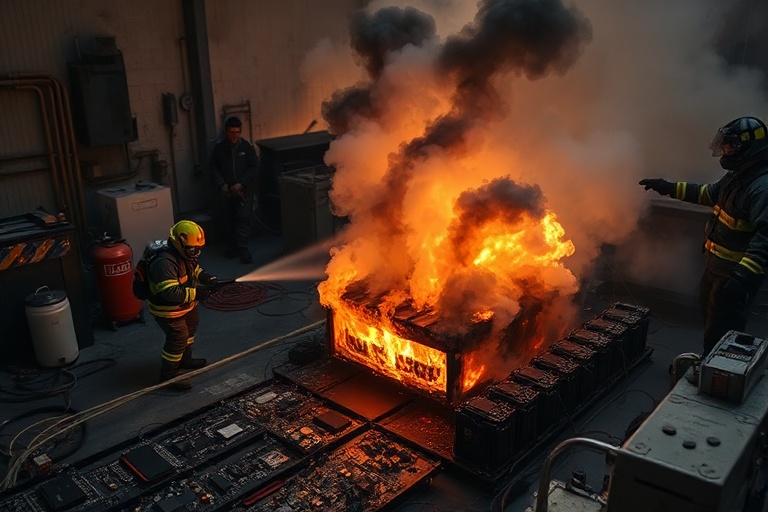
Another alarming trend is the severity of these fires. Lithium-ion battery fires burn at extremely high temperatures—often exceeding 1,000°C—and can release toxic gases such as hydrogen fluoride. Unlike conventional fires, they are prone to thermal runaway, a self-sustaining reaction that makes them difficult to extinguish with standard firefighting techniques.
Where the Fires Start: Common Causes and High-Risk Products
The causes of lithium-ion battery fires are often preventable but remain widespread due to gaps in product safety and user behavior. The most common ignition sources include:
- Mechanical Damage: Punctures or crushing of batteries, often during transport or rough handling.
- Thermal Overload: Overcharging, exposure to high temperatures, or poor-quality charging equipment.
- Manufacturing Defects: Substandard components or inadequate quality control in cheaply produced batteries.
- Improper Storage: Storing batteries near flammable materials or in high-heat environments.
- Counterfeit Products: Uncertified or counterfeit batteries, especially in aftermarket devices.
E-bikes and e-scooters represent a particularly high-risk category. Many such devices use low-cost, uncertified batteries that lack proper safety mechanisms. In 2023, 62% of lithium-ion battery fires in London involved e-bikes or e-scooters, often due to overloaded power strips or charging overnight.
Household items like power banks and wireless earbuds are also implicated in smaller but still dangerous incidents. While individual fires may cause less damage, they contribute to the cumulative risk and strain emergency services.
Safety Responses: What Fire Services and Regulators Are Doing
In response to the rising threat, UK fire authorities and regulators have intensified their safety campaigns. London Fire Brigade launched the “Charge Safe, Stay Safe” initiative, urging users to avoid charging devices overnight and to use manufacturer-approved chargers. Similar programs have been adopted by fire services in Manchester, Birmingham, and Glasgow.
The UK government has also taken regulatory steps. In December 2023, the Office for Product Safety and Standards (OPSS) introduced new guidance requiring all lithium-ion batteries sold in the UK to comply with British or European safety standards. The regulations mandate visible safety markings, maximum charge levels, and temperature monitoring features.
However, enforcement remains a challenge. Many fires are still linked to non-compliant or counterfeit batteries imported through online marketplaces. The OPSS has warned that online platforms must do more to prevent unsafe products from reaching consumers.
“Every lithium-ion battery fire is preventable. We’re seeing a direct correlation between unsafe charging practices and emergency callouts. Public education must go hand-in-hand with stronger regulation.” — Dany Cotton, Former London Fire Commissioner
What Consumers Can Do: Practical Steps to Reduce Risk
While regulatory changes are essential, individual users can take immediate steps to reduce their risk of lithium-ion battery fires:
- Only purchase batteries and charging equipment from reputable manufacturers.
- Avoid charging devices overnight or unattended.
- Store batteries in cool, dry places away from direct sunlight and flammable materials.
- Inspect batteries regularly for signs of damage, swelling, or overheating.
- Use certified e-bike and e-scooter batteries that meet UK safety standards.
For businesses, especially those operating e-bike rental schemes or delivery services, implementing battery safety training and regular inspections is critical. The NFCC recommends that venues hosting battery-powered devices install fire suppression systems and clearly mark charging zones.
Looking Ahead: The Path to Safer Energy Storage
The future of lithium-ion battery safety may lie in technological innovation. Solid-state batteries, which replace liquid electrolytes with solid materials, promise greater stability and reduced fire risk. Several UK-based startups and universities are researching these alternatives, with potential commercialization expected within the decade.
Meanwhile, fire services continue to advocate for a national database of lithium-ion battery fires to better track trends and inform policy. Improved data sharing between manufacturers, regulators, and emergency responders could help identify high-risk products before they cause harm.
As the UK accelerates toward net-zero emissions and electric mobility, the demand for lithium-ion batteries will only grow. Ensuring their safe use is not just a technical challenge—it’s a public safety imperative.
For more on energy safety and emerging technologies, visit our Technology and Science sections.
Disclaimer: The fire statistics cited in this article are based on data from public records and may not reflect all incidents. Always follow official safety guidelines when using lithium-ion batteries.