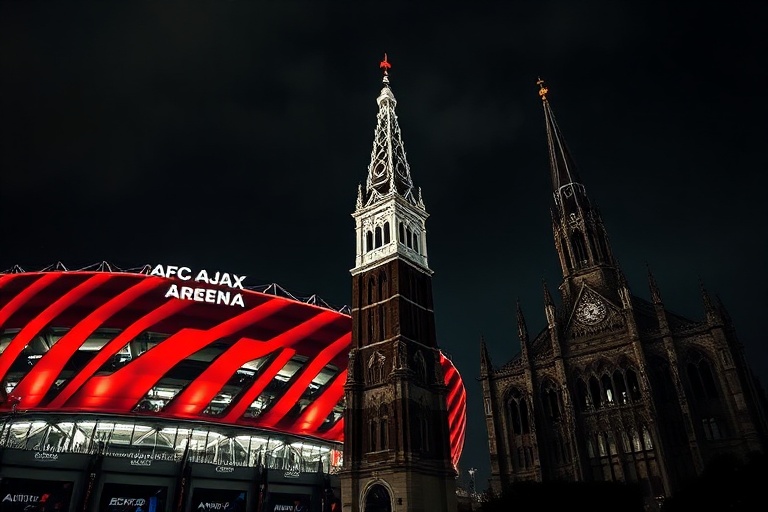
The Eredivisie has long been a stage for tactical innovation, and the matchup between Ajax and Utrecht is no exception. These two teams approach the game with contrasting philosophies, making their encounters a fascinating study in modern football. Ajax, with their historic emphasis on youth development and possession-based football, often faces Utrecht’s pragmatic, direct style.
This rivalry extends beyond mere points in the standings. It reflects broader trends in Dutch football, where tradition clashes with pragmatism. Ajax’s identity is deeply rooted in the philosophy of Johan Cruyff, while Utrecht has carved out its own niche by blending physicality with technical precision. The tactical battles between these sides offer more than just entertainment—they provide insight into the evolving nature of the sport.
Tactical Approaches: Possession vs. Pragmatism
Ajax’s style under Erik ten Hag and now Alfred Schreuder has remained consistent: high pressing, positional play, and an emphasis on building from the back. Their backline often splits wide, midfielders occupy half-spaces, and wingers stretch play horizontally. This approach demands technical proficiency and tactical discipline, which Ajax’s academy consistently produces.
Utrecht, meanwhile, has adapted under manager René Eijkelkamp. Their system typically features a compact defensive block, quick transitions, and direct passes to target forwards. Utrecht’s players excel in aerial duels and second-ball recovery, making them a formidable opponent in direct play scenarios. This style contrasts sharply with Ajax’s patient buildup, forcing opposing teams to adjust mid-game.
Key Tactical Differences
- Pressing Intensity: Ajax presses aggressively, often initiating attacks in the opponent’s half. Utrecht prefers to sit deeper, inviting pressure before launching counterattacks.
- Ball Distribution: Ajax’s center-backs frequently advance into midfield, while Utrecht’s defenders prioritize long balls to strikers or wide players.
- Midfield Dynamics: Ajax’s midfielders operate in tight spaces, using one-twos and third-man runs. Utrecht’s midfielders focus on breaking up play and distributing quickly to wingers or strikers.
- Set-Piece Threat: Ajax’s height disadvantage in defense is offset by their aerial prowess in attack, particularly from corners. Utrecht, with a more physical team, also poses a significant threat from set pieces.
Recent Form and Head-to-Head Trends
Over the past five seasons, Ajax has dominated the head-to-head record, winning four of the last five meetings. However, Utrecht has shown resilience, particularly in the Eredivisie’s latter stages. Their 2-1 victory in December 2022, marked by a tactical masterclass from Eijkelkamp, demonstrated how Utrecht could disrupt Ajax’s rhythm.
The 2023-24 season has seen both teams fluctuate in form. Ajax, despite their talent, has struggled with consistency, particularly in away matches. Utrecht, meanwhile, has remained a consistent mid-table side, punching above their weight with disciplined performances.
Historical Context
Ajax’s dominance in Dutch football is unmatched, but Utrecht has carved out a reputation as a “yo-yo” club—oscillating between top-flight survival and relegation battles. Their ability to frustrate bigger teams has made them a respected adversary in the Eredivisie. The clash between Ajax’s ambition and Utrecht’s resilience encapsulates the unpredictability of Dutch football.
Broader Implications for Dutch Football
The Ajax vs. Utrecht matchup is more than a local derby—it’s a microcosm of Dutch football’s evolution. Ajax’s struggles in recent years reflect the challenges of maintaining a world-class academy while competing financially with Europe’s elite. Utrecht’s success, on the other hand, highlights the viability of alternative pathways in football development.
For young players, Ajax remains a dream destination, but Utrecht’s pathway offers a pragmatic alternative. Their ability to develop and sell talent, while maintaining a competitive first team, has made them a model for smaller clubs. This dynamic is reshaping the Eredivisie’s competitive balance, where financial disparities are increasingly offset by tactical innovation.
Financial and Structural Considerations
The contrast between Ajax and Utrecht extends beyond tactics. Ajax’s financial muscle allows them to invest in world-class talent, while Utrecht operates on a tighter budget, relying on smart recruitment and youth development. This disparity raises questions about the sustainability of Ajax’s model and the long-term viability of Utrecht’s approach.
For fans, the matchup offers a glimpse into football’s future. Ajax represents tradition and ambition, while Utrecht embodies resilience and adaptability. Their encounters are a reminder that success in football is not solely determined by resources but by innovation and tactical acumen.
What to Expect in the Next Encounter
The next Ajax vs. Utrecht match promises to be another tactical chess match. Utrecht will likely prioritize defensive solidity and quick transitions, while Ajax will seek to impose their possession-based style. The key factors to watch include:
- Ajax’s Pressing: Can Utrecht bypass Ajax’s high press with quick, direct passes?
- Utrecht’s Transitions: How effectively can they exploit spaces left by Ajax’s aggressive fullbacks?
- Set-Piece Battles: Both teams excel in this area, making it a potential decider.
- Midfield Control: Utrecht’s midfielders must disrupt Ajax’s rhythm, while Ajax’s midfielders need to maintain possession under pressure.
The outcome of this match could have implications for both teams’ Eredivisie aspirations. A win for Ajax would reinforce their title credentials, while a draw or upset for Utrecht could signal a shift in the league’s competitive landscape.
Conclusion
The Ajax vs. Utrecht rivalry is a testament to the diversity of Dutch football. It highlights the tension between tradition and innovation, ambition and pragmatism. While Ajax’s history and resources make them favorites, Utrecht’s tactical discipline and resilience ensure that they are never easy opponents.
For fans, these matches offer more than just points—they provide a masterclass in footballing philosophy. Whether it’s Ajax’s intricate passing or Utrecht’s direct, physical approach, the clash of styles makes for compelling viewing. As Dutch football continues to evolve, encounters like these will remain a vital part of the Eredivisie’s identity.
For those interested in tactical analysis and broader football trends, this rivalry offers a wealth of insights. It’s a reminder that success in football is not a one-size-fits-all proposition—it’s about adapting, innovating, and finding your own path.
To dive deeper into the tactical trends shaping the Eredivisie, explore our Analysis and Sports sections for more in-depth coverage.