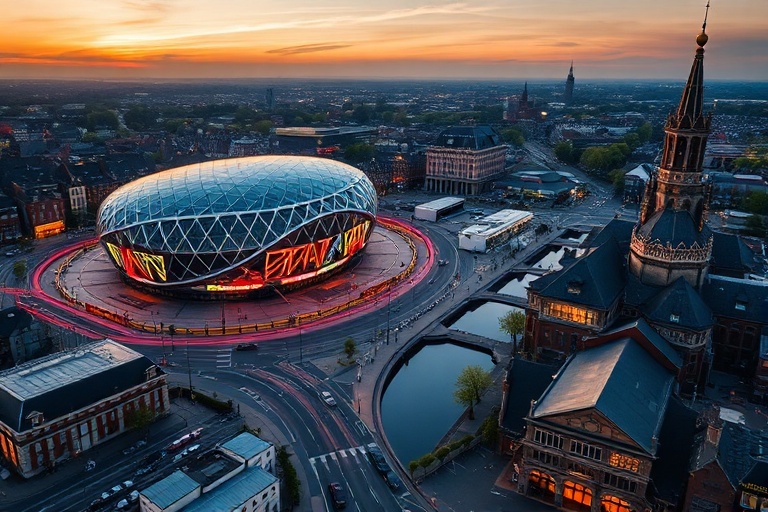
Ajax vs Utrecht: The Cultural Divide in Dutch Football
Ajax and Utrecht: Two Dutch Football Clubs with Distinct Legacies
Football in the Netherlands extends beyond the glamour of Amsterdam’s Johan Cruyff Arena or Rotterdam’s De Kuip. While Ajax and Feyenoord often dominate headlines, Utrecht quietly crafts its own narrative within Dutch football. The rivalry between Ajax and Utrecht may lack the historical intensity of De Klassieker, but it offers a compelling contrast of ambition, identity, and cultural influence. These clubs embody different philosophies that resonate far beyond their stadiums.
Ajax, founded in 1900, has long been associated with Total Football, a philosophy that revolutionized the game. Utrecht, established in 1970 through a merger, represents a club forged in pragmatism and local pride. Their encounters in the Eredivisie are not just matches; they are microcosms of Dutch football’s evolution. Understanding this rivalry requires looking beyond the scoreboard and into the cultural DNA of both clubs.
The Philosophical Divide: Ajax’s Global Vision vs. Utrecht’s Local Roots
Ajax’s identity is deeply rooted in a philosophy that transcends borders. The club’s commitment to youth development and attacking football has produced legends like Johan Cruyff, Marco van Basten, and Patrick Kluivert. This approach turned Ajax into a global brand, influencing clubs from Barcelona to Manchester City. The Amsterdam-based club’s DNA is meticulously preserved through its famed academy, De Toekomst, where young talents are molded into world-class players.
In contrast, Utrecht’s history reflects a more modest, community-driven ethos. Formed from the merger of three local clubs—DOS, USV Elinkwijk, and Velox—AFC Ajax’s smaller neighbor emerged as a symbol of unity for the city’s working-class neighborhoods. While Utrecht has never claimed the European trophies Ajax has, it has cultivated a reputation for stability and resilience. The club’s fan culture is less about global prestige and more about local belonging.
- Ajax’s Global Influence: Known for exporting talent and exporting ideology, Ajax’s model has been studied and replicated worldwide.
- Utrecht’s Community Focus: The club emphasizes fan engagement, affordable tickets, and a family-friendly atmosphere.
- Financial Contrast: Ajax operates with a multi-million-euro budget, while Utrecht relies on sustainable growth and smart transfers.
On the Pitch: Tactical Contrasts and Memorable Encounters
When Ajax and Utrecht meet, the tactical battle often reveals deeper philosophical differences. Ajax’s modern incarnations under managers like Erik ten Hag or Alfred Schreuder prioritize high pressing, positional play, and vertical transitions. This approach mirrors the club’s historic roots but adapts to contemporary demands. Utrecht, meanwhile, often deploys a more pragmatic 3-5-2 or 4-3-3 formation, emphasizing defensive structure and quick counterattacks.
Historically, Ajax has dominated the head-to-head record, but Utrecht has claimed notable upsets. In the 2019-20 season, Utrecht defeated Ajax 2-0 in Amsterdam, a result that highlighted the gap between ambition and execution. Such results resonate in Utrecht, where victories over the “big three” (Ajax, PSV, Feyenoord) are celebrated as David vs. Goliath moments.
The clubs’ contrasting styles reflect their broader ambitions. Ajax aims to compete in the Champions League, while Utrecht focuses on qualifying for European competitions without overspending. This difference in objectives shapes their transfer policies, youth integration, and even their approach to sponsorships.
Cultural Impact: Beyond Trophies and Transfers
Football clubs are cultural institutions, and Ajax and Utrecht play distinct roles in their respective communities. Ajax’s global appeal has made it a symbol of Dutch innovation and excellence. The club’s museum, located in the Johan Cruyff Arena, attracts tourists from across the world, reinforcing its status as a pilgrimage site for football purists. Ajax’s influence extends into fashion, music, and even language, with terms like “Ajax football” entering global lexicons.
Utrecht, though less internationally recognized, holds deep local significance. The club’s Stadion Galgenwaard, with its intimate atmosphere and affordable pricing, fosters a sense of intimacy between players and fans. Utrecht’s supporters are known for their loyalty, often creating vibrant tifo displays and chants that reflect the city’s creative spirit. The club’s mascot, a lion named “Leo,” embodies the fierce pride of Utrecht’s working-class identity.
Both clubs also contribute to the Netherlands’ footballing ecosystem in different ways. Ajax’s academy serves as a feeder for the national team, while Utrecht has become a reliable producer of solid Eredivisie players who often transition to bigger clubs. This symbiotic relationship ensures that Dutch football remains competitive, even as the global game becomes increasingly commercialized.
The Broader Context: Football in the Netherlands and Beyond
Ajax and Utrecht represent two sides of the same coin in Dutch football. While Ajax chases European glory and global recognition, Utrecht prioritizes sustainability and local identity. This duality mirrors broader trends in football, where financial disparities are widening, yet clubs like Utrecht prove that success can be measured in more than just trophies.
In a footballing landscape dominated by financial might, Utrecht’s model offers a counterpoint. The club’s ability to compete without massive spending demonstrates that smart recruitment, strong youth development, and fan engagement can create a sustainable path. Ajax, meanwhile, continues to push boundaries, blending tradition with innovation.
For football enthusiasts, the Ajax vs. Utrecht rivalry is more than a fixture on the calendar. It is a study in contrasts—between ambition and humility, between global reach and local pride. These clubs remind us that football is not just a sport; it is a reflection of culture, history, and identity.
As Dutch football navigates the challenges of modernization and commercialization, Ajax and Utrecht will continue to play pivotal roles. Whether through Ajax’s pursuit of Champions League glory or Utrecht’s steadfast commitment to its community, their stories are integral to the fabric of the game.
Conclusion: Two Clubs, One Shared Passion
Ajax and Utrecht may differ in scale, ambition, and philosophy, but they share a deep love for football. Ajax’s global vision and Utrecht’s local pride are not opposing forces but complementary aspects of Dutch football’s rich tapestry. Their encounters on the pitch offer more than just points; they provide a glimpse into the soul of the sport.
For fans, these matches are a reminder that football is about more than just winning. It is about identity, community, and the stories that unfold on and off the pitch. Whether you are drawn to Ajax’s storied legacy or Utrecht’s underdog spirit, one thing is certain: Dutch football is richer because of both.
To explore more about Dutch football’s history and culture, visit our Sports and Culture sections for in-depth analysis and features.