Al-Nassr vs Al-Hilal: The Saudi Derby Reshaping Global Football
When Two Giants Collide
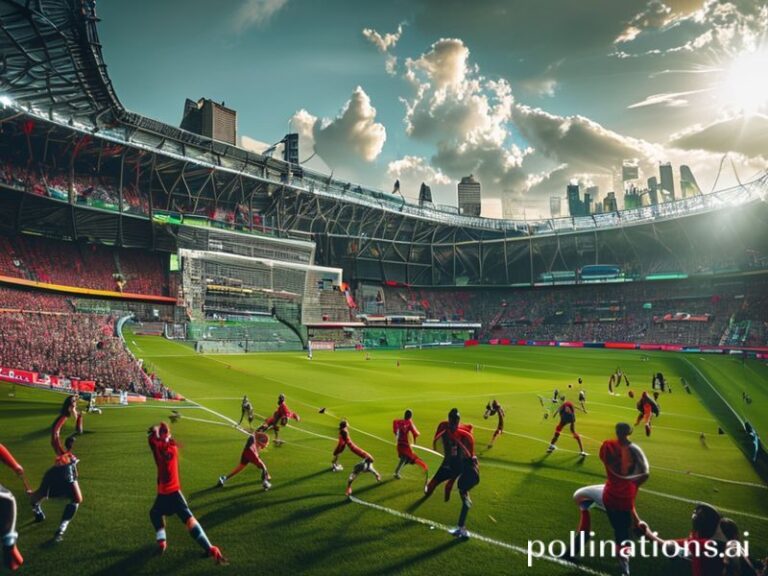
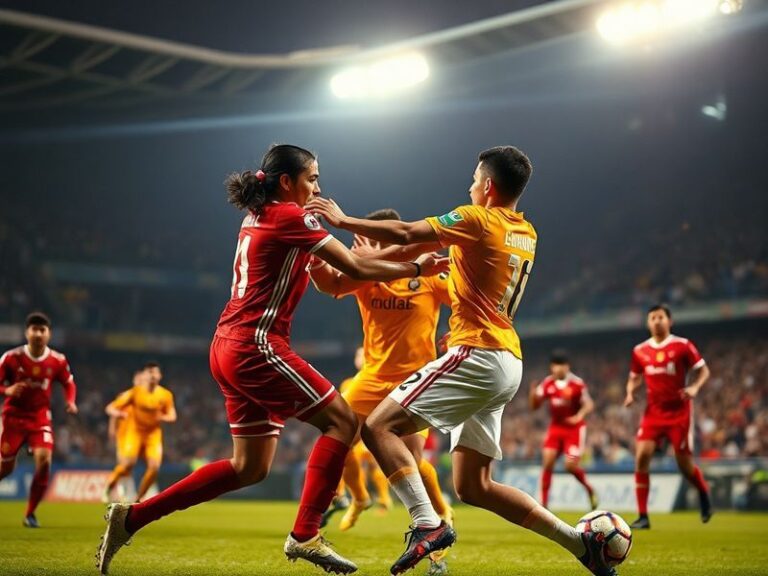
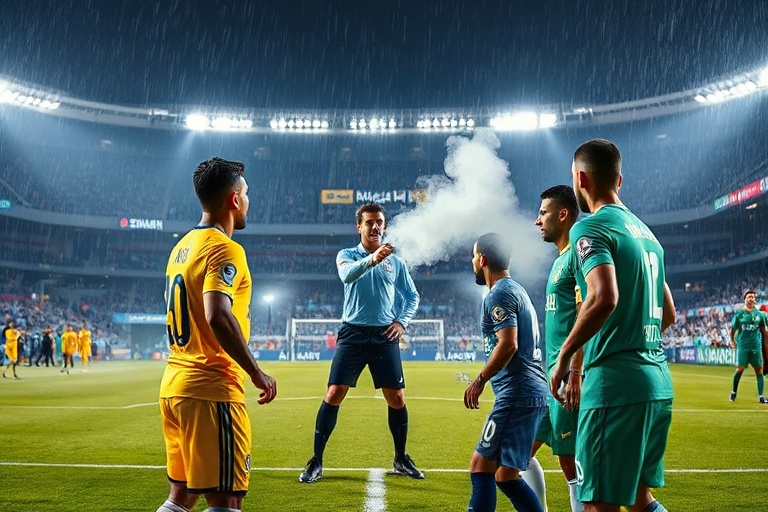
The Saudi Pro League has quietly become one of football’s most compelling narratives, and no fixture embodies its rise more than the Al-Nassr versus Al-Hilal derby. Known locally as the Derby of the Century, this matchup isn’t just a regional showdown—it’s a cultural spectacle that draws global attention, not just for the quality on the pitch, but for what it represents in the modern evolution of Middle Eastern football.
Al-Nassr, based in Riyadh, and Al-Hilal, also from the capital, are more than clubs; they are institutions. Their rivalry stretches back to 1958, when they played the first official Saudi derby. Over six decades later, the intensity has only grown, fueled by massive investment, global star power, and the ambitions of Saudi Arabia’s Vision 2030 plan to transform the country into a sports and entertainment hub.
This isn’t just football. It’s soft power, economic strategy, and national pride rolled into 90 minutes.
A Rivalry Born in the Heart of Arabia
The roots of the Al-Nassr vs Al-Hilal rivalry run deep into the social fabric of Saudi Arabia. Al-Hilal, founded in 1957, was initially seen as the club of the establishment—backed by the royal family and connected to the nation’s elite. Its blue and yellow crest carries a sense of tradition and prestige.
Al-Nassr, founded in 1955, emerged as the people’s club. Nicknamed Al-Ahlawy (The Favorite), it has long been associated with working-class communities and a more inclusive identity. This class-based distinction still lingers in the minds of fans, even as both clubs have become global brands.
The first official match between them in 1958 ended in a 3–1 victory for Al-Nassr, setting the tone for a rivalry defined by unpredictability and passion. Unlike many European derbies, which often favor one club over decades, this Saudi clash has remained fiercely competitive, with momentum swinging unpredictably between the two sides.
Over the years, the matches have become high-stakes affairs, not just in the league, but in the King’s Cup and AFC Champions League. The psychological edge is palpable—win the derby, and you silence a city. Lose, and you face weeks of ridicule from rival fans.
The Modern Era: From Regional Pride to Global Stage
The 2020s have redefined the Saudi derby. With the launch of the Saudi Pro League’s strategic transformation—backed by billions from the Public Investment Fund (PIF)—both Al-Nassr and Al-Hilal have become global recruitment hubs. The arrival of Cristiano Ronaldo at Al-Nassr in 2023 didn’t just make headlines—it redefined football economics.
Suddenly, the derby wasn’t just a regional event. It was broadcast to millions across Asia, Africa, and Europe. Ronaldo’s free-kick against Al-Hilal in January 2024, a moment watched by over 30 million on social media, became a viral symbol of the league’s new global reach.
But the transformation goes beyond stars. The Saudi clubs have invested in youth academies, international partnerships, and even esports teams. Al-Hilal, under ambitious leadership, has pursued a model of sustainable excellence—blending local talent with strategic signings from Europe and South America. Their 2021 AFC Champions League final appearance was a watershed moment, proving that Saudi clubs could compete at the highest continental level.
Al-Nassr, meanwhile, has leaned into star power and brand marketing. Beyond Ronaldo, the club has signed players like Sadio Mané and Aymeric Laporte, turning its stadium into a global destination. The Al-Awwal Park, now renamed Al-Nassr Club Stadium, regularly hosts 25,000 fans, with thousands more tuning in online.
This shift reflects a broader trend: the Middle East is no longer a destination for aging stars looking for a payday. It’s becoming a destination for players who want to compete at the highest level—and a place where football is evolving into a cultural export.
Key Factors in the Modern Derby
- Tactical sophistication: Both teams now employ European-style systems, with high pressing and structured build-up play.
- Youth development: Clubs are investing in academies to reduce reliance on foreign talent.
- Digital engagement: Social media has amplified fan passion, with derby day hashtags trending across Arabic and global platforms.
- Economic stakes: Sponsorship deals and commercial revenue now rival traditional football income sources.
Beyond the Pitch: Culture, Identity, and National Ambition
The Al-Nassr vs Al-Hilal derby is more than a football match—it’s a mirror of Saudi society. In a nation undergoing rapid modernization, the clubs reflect the tension between tradition and progress. When Al-Hilal fans sing their anthems in the stands, they’re not just celebrating a team; they’re invoking decades of history. When Al-Nassr supporters wave their flags, they’re asserting a more inclusive vision of Saudi identity.
This duality is central to the Saudi Vision 2030 strategy, which seeks to diversify the economy and elevate Saudi culture on the world stage. Football is a key driver of this vision. The government has invested in stadiums, training facilities, and even tourism packages that include match tickets and city tours.
The derby is now a cultural export. It’s featured in documentaries, analyzed in think tanks, and celebrated in art. The Saudi Football Federation has even worked with FIFA to host international tournaments, using the derby as a showcase for the league’s new identity.
But the transformation hasn’t been without controversy. Critics argue that the influx of foreign stars has sidelined local talent. Others question the sustainability of such high spending in a region where oil revenues fluctuate. Still, the momentum is undeniable—and the derby remains at the heart of the debate.
A Look at the Recent Encounters
In the past three seasons, the derby has delivered drama, controversy, and moments of brilliance. In the 2022–23 season, Al-Hilal won both league meetings, including a dramatic 3–2 victory in April 2023 that kept them in the title race. That match featured a late winner from Salem Al-Dawsari, whose celebration—tears streaming down his face—became an icon of Saudi football’s emotional depth.
Al-Nassr struck back in the King’s Cup semifinals later that year, winning 2–1 on aggregate in a tightly contested tie. The second leg, played in front of a packed stadium, saw Ronaldo miss a penalty but still inspire his team to victory. The moment was broadcast globally, reinforcing the league’s new status.
The most recent derby, in January 2024, ended in a 1–1 draw, with Ronaldo scoring a free-kick and Al-Hilal equalizing late. Social media erupted, with clips of Ronaldo’s goal racking up millions of views within hours. The match was streamed live on platforms including Sports and beIN Sports, reaching audiences from Riyadh to Rio.
These encounters show a rivalry in transition—one where the balance of power is constantly shifting, and where every match is a statement.
What’s Next for the Derby?
The future of the Al-Nassr vs Al-Hilal rivalry is being written now. With more European clubs eyeing Saudi talent, and more Saudi clubs investing in infrastructure, the derby is poised to become a permanent fixture on the global football calendar.
There are challenges ahead. The league must balance ambition with sustainability. The national team needs to integrate club talent without over-reliance on foreign stars. And the fans—passionate, vocal, and deeply invested—will continue to shape the narrative.
But one thing is clear: the Al-Nassr vs Al-Hilal derby is no longer just a Saudi event. It’s a global spectacle, a cultural phenomenon, and a testament to how football can drive change. In a world where the beautiful game is often criticized for losing its soul, this rivalry reminds us that football can still be a force for identity, pride, and transformation.
As the clubs grow, so will the derby. And with each match, the story of Saudi football—and perhaps the future of the sport—gets rewritten just a little bit more.