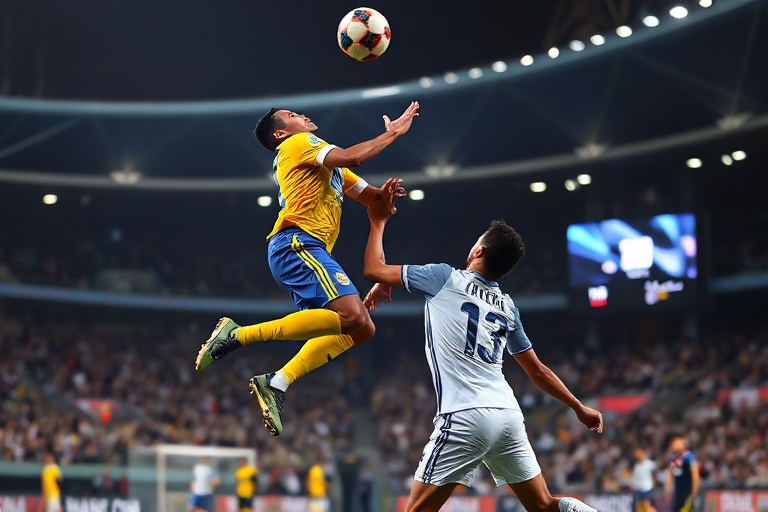
The Saudi Pro League has evolved into a global spectacle, and few matches embody this transformation as vividly as the clashes between Al Nassr and Al Hilal. These two Riyadh-based giants have dominated Saudi football for decades, but recent years have seen their rivalry intensify into a high-stakes showdown with international implications. With star-studded lineups and massive financial backing, these matches are no longer just domestic battles—they’re global events watched by millions.
The most recent chapter in this storied rivalry took place last week at the King Fahd International Stadium, where 65,000 fans packed the stands to witness a match that could have determined the league title. The stakes couldn’t have been higher, with both teams entering the game unbeaten in their last five league matches. What followed was a tactical masterclass, a moment of individual brilliance, and a reminder of why this fixture is considered one of Asia’s fiercest derbies.
The Historical Context: More Than a Century of Rivalry
The roots of the Al Nassr vs Al Hilal rivalry stretch back to 1957, when the two clubs were founded just months apart in Riyadh. While Al Hilal was established with royal patronage, Al Nassr developed a reputation as the people’s club, drawing support from across Saudi society. Their first official meeting in 1960 ended in a 1-1 draw, setting the stage for a rivalry that would grow with each passing decade.
By the 1980s, the derby had become a cultural phenomenon in Saudi Arabia, with matches often deciding league titles and domestic cups. Al Hilal, with its 18 league titles, has historically held the edge in silverware, but Al Nassr’s passionate fanbase and recent financial investments have closed the gap. The rivalry is more than just football—it’s a reflection of Riyadh’s social and economic divides, with Al Hilal traditionally seen as the establishment club and Al Nassr as the underdog with global ambitions.
In the modern era, the rivalry has taken on new dimensions. The arrival of Cristiano Ronaldo at Al Nassr in 2023 transformed the club into a global brand, while Al Hilal has responded by assembling a squad capable of competing with Europe’s elite. The Saudi Arabian Football Federation’s decision to host the FIFA Club World Cup in 2023 further elevated the importance of these derby matches, as performances in domestic fixtures now carry international weight.
Key Tactics: How the Coaches Shape the Derby
The tactical battles between Al Nassr’s Luis Castro and Al Hilal’s Jorge Jesus have become as crucial to the derby as the players on the pitch. Castro, known for his aggressive pressing and fluid attacking systems, has built Al Nassr into a team that dominates possession and dictates the tempo of matches. His approach relies on quick transitions and exploiting spaces behind defensive lines, a strategy that has paid dividends in recent seasons.
Jorge Jesus, on the other hand, brings a more pragmatic approach to the derby. The Portuguese manager, who has won league titles in multiple countries, is known for his tactical flexibility. Against Al Nassr, Jesus often sets his team up in a compact 4-4-2 formation, looking to frustrate opponents with structured pressing and quick counterattacks. This tactical contrast makes the derby a fascinating chess match, with each coach trying to outmaneuver the other.
In the most recent encounter, Jesus’s tactics nearly paid off. Al Hilal dominated the early exchanges, using their midfield superiority to control the game. However, Castro’s substitutions in the second half shifted the balance, with Al Nassr’s high pressing forcing mistakes and leading to a decisive goal. The tactical evolution of both teams reflects the broader changes in Saudi football, where European coaching methods are now the norm rather than the exception.
Star Players Who Define the Derby
The Al Nassr vs Al Hilal derby has always been a showcase for Saudi Arabia’s finest talent, but in recent years, it has also become a stage for global superstars. Cristiano Ronaldo’s arrival at Al Nassr in January 2023 was a watershed moment for Saudi football, instantly elevating the club’s profile and drawing comparisons to Europe’s biggest leagues. Ronaldo’s presence alone changes the dynamic of the derby, as defenses must prioritize marking him above all else.
Al Hilal, meanwhile, has assembled a squad packed with international experience. Players like Kalidou Koulibaly, Neymar, and Kalifa Coulibaly bring a level of technical ability that was previously rare in Saudi football. The clash between Ronaldo’s physicality and Neymar’s flair creates a compelling narrative, but it’s the Saudi players who often decide the outcome. The likes of Salem Al-Dawsari and Abdulrahman Al-Obaid have become synonymous with the derby, delivering performances that lift their respective teams to victory.
Beyond the attacking stars, the derby is also defined by its defensive battles. Al Hilal’s center-back pairing of Koulibaly and Seko Fofana has been nearly impenetrable at times, while Al Nassr’s defensive midfielder Otávio has been instrumental in shielding the backline. The midfield battles between these two teams are often where matches are decided, with both sides fielding deep-lying playmakers capable of dictating the game’s rhythm.
For fans, the derby is as much about the individual matchups as it is about the team performances. Watching Ronaldo face off against Koulibaly, or Neymar dribbling past Al Nassr’s fullbacks, adds an extra layer of excitement to an already intense fixture. These personal rivalries within the derby create moments that linger in the memory long after the final whistle.
The Cultural Impact: Beyond the Football Pitch
The Al Nassr vs Al Hilal derby is more than just a football match—it’s a cultural event that transcends the sport. In Saudi Arabia, football is deeply intertwined with national identity, and the derby reflects the country’s social and economic divisions. Al Hilal, with its royal connections and historic dominance, represents the traditional power structures of Saudi society. Al Nassr, meanwhile, embodies the aspirations of a new generation, one that sees football as a pathway to global recognition.
The derby also serves as a barometer for Saudi football’s growing ambitions. The Saudi Pro League’s decision to lure global stars like Ronaldo and Neymar with lucrative contracts is part of a broader strategy to elevate the league’s status. The derby, therefore, is not just a domestic fixture but a statement to the world that Saudi football is ready to compete with the best. The influx of international talent has raised the standard of play, making the derby a more unpredictable and entertaining spectacle.
For the fans, the derby is a chance to express their identities. Al Nassr’s supporters, known for their passionate chants and vibrant displays, create an electric atmosphere at the Mrsool Park. Al Hilal, on the other hand, has a more reserved fanbase, but their loyalty is just as fierce. The rivalry extends beyond the stadium, with debates about the derby dominating social media and local media outlets in the days leading up to the match.
The cultural significance of the derby is also reflected in its commercial impact. Sponsorship deals and broadcasting rights have skyrocketed in value, with the Saudi Arabian Football Federation recognizing the derby as a key revenue driver. The matches are broadcast in over 150 countries, and the clubs’ social media presence has grown exponentially, with Al Nassr and Al Hilal now boasting millions of followers worldwide.
What’s Next for the Rivalry?
The future of the Al Nassr vs Al Hilal derby looks brighter than ever. With both clubs continuing to invest in their squads and infrastructure, the rivalry is set to reach new heights. Al Nassr’s plans to expand the Mrsool Park to a 50,000-seat stadium will ensure that the derby remains a sell-out event, while Al Hilal’s ongoing development of the King Fahd International Stadium could turn the venue into one of the most iconic in Asian football.
On the pitch, the rivalry shows no signs of slowing down. Both teams are likely to add more star players in the coming seasons, with rumors already swirling about potential signings from Europe and South America. The Saudi national team, which draws heavily from both clubs, will also benefit from the healthy competition between Al Nassr and Al Hilal, as it pushes players to perform at their best.
For neutrals, the derby offers a unique blend of tactical sophistication, individual brilliance, and cultural significance. Whether it’s Ronaldo scoring a last-minute winner or Neymar dazzling the crowd with a piece of skill, the Al Nassr vs Al Hilal derby delivers drama and excitement in equal measure. As Saudi football continues to grow, this rivalry will remain at its heart, a testament to the power of the beautiful game.
For those looking to dive deeper into the world of Saudi football, our Sports section offers comprehensive coverage of the Saudi Pro League and its biggest stars. Meanwhile, our News section keeps you updated on the latest transfers, managerial changes, and tactical innovations shaping the league.