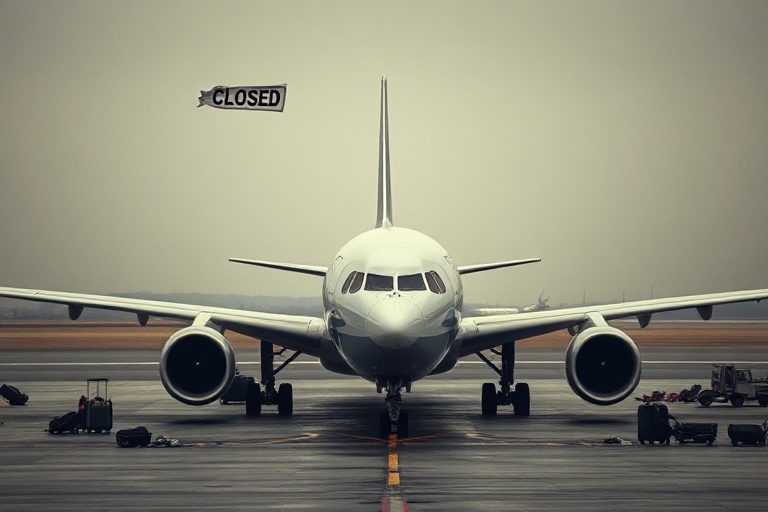
Another Airline Collapse Leaves Travelers Stranded and Industry Reeling
Industry disruption leaves passengers stranded and employees uncertain about the future.
The airline industry continues to face turbulence as another major carrier announces its shutdown. This latest collapse follows a pattern of financial instability among regional and legacy airlines, exacerbated by rising fuel costs, labor shortages, and shifting travel demands. Passengers who booked tickets in good faith now find themselves scrambling for alternatives, while employees face sudden job losses without severance packages.
The shutdown comes at a particularly inopportune time. Summer travel season is in full swing, and thousands of travelers—many of whom booked months in advance—are left scrambling to rebook flights or seek refunds. Airlines that remain operational are reporting overwhelmed customer service lines, with some travelers waiting hours to secure new arrangements. For those with non-refundable tickets, the financial burden is compounded by the need to purchase new tickets at inflated last-minute rates.
The Financial Domino Effect
This airline’s collapse didn’t happen overnight. Financial records reveal years of declining revenue, mismanagement, and an inability to adapt to post-pandemic travel trends. While larger carriers recovered by restructuring routes and renegotiating leases, this airline struggled to compete. Rising fuel prices in early 2024 further strained its operations, pushing it to the brink.
Industry analysts point to several critical missteps:
- Over-expansion: The airline rapidly added routes in 2022 and 2023, betting on a travel boom that never fully materialized.
- Labor disputes: Frequent strikes and contract negotiations disrupted operations, alienating both employees and customers.
- Lack of diversification: Unlike competitors, this airline failed to invest in cargo services or partnerships to offset passenger revenue losses.
Experts warn that this shutdown could trigger a chain reaction. Smaller regional airlines often rely on partnerships with larger carriers for ticket sales and baggage transfers. With one less partner in the network, those agreements may now be at risk, forcing further consolidation across the industry.
Passengers Left in the Lurch
The human impact of the shutdown is immediate and widespread. Families planning vacations, students returning from semesters abroad, and business travelers with critical meetings are all affected. Many passengers took to social media to share their frustrations, posting images of long lines at airports and screenshots of unanswered calls to the airline’s customer service.
For those stranded overseas, the situation is even more dire. Credit card chargebacks and travel insurance claims are processing slowly, leaving travelers to cover new flight costs out of pocket. Some passengers have reported losing thousands of dollars in non-refundable hotel bookings and pre-paid excursions.
Government agencies in several countries have issued advisories, urging travelers to check their booking status and contact their credit card providers immediately. However, the bureaucratic process for securing refunds or compensation remains unclear, adding to the stress.
What’s Next for the Industry?
The shutdown raises broader questions about airline sustainability in a post-pandemic world. With fuel costs remaining volatile and competition from budget airlines intensifying, legacy carriers must innovate or face a similar fate. Some industry insiders suggest a wave of mergers and acquisitions is imminent, as stronger airlines absorb the remnants of failed competitors.
Regulatory bodies are also under scrutiny. Critics argue that oversight agencies failed to intervene early enough, allowing the airline to operate despite clear financial distress. Calls for stricter financial monitoring and mandatory contingency plans for passenger protection are growing louder.
For now, travelers are advised to:
- Check their booking status directly with the airline and their payment provider.
- Monitor updates from aviation authorities, such as the FAA or EASA.
- Consider travel insurance for future bookings to mitigate financial risks.
- Explore alternative transportation options, such as trains or buses, for domestic travel.
A Cautionary Tale for the Travel Industry
This latest airline shutdown serves as a stark reminder of the fragility of the travel industry. While the allure of cheap fares and exotic destinations remains strong, the underlying financial and operational risks are often overlooked by consumers. Passengers must now navigate an increasingly unpredictable landscape, where even established carriers can vanish overnight.
The shutdown also highlights the need for systemic changes. Airlines must prioritize financial transparency and employee retention, while regulators need to enforce stricter oversight to protect both consumers and workers. Without these measures, the cycle of collapses and disruptions is likely to continue.
As the dust settles, one thing is clear: the era of unfettered growth in the airline industry is over. Survival now depends on adaptability, innovation, and a commitment to sustainable practices. For passengers and employees alike, the road to recovery will be long and uncertain.
Have you been affected by this airline shutdown? Share your story in the comments below.