Published on
The Rise and Fall of All-You-Can-Eat Promotions
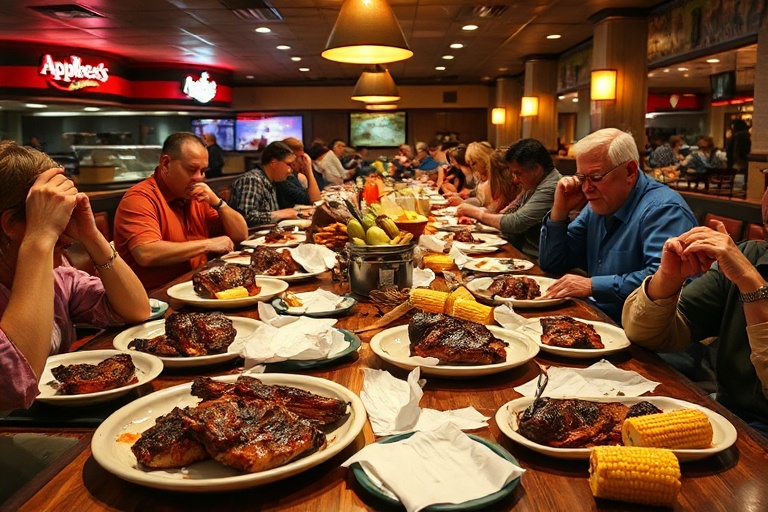
All-you-can-eat promotions have long been a staple of American casual dining, offering a sense of indulgence without the guilt of a single fixed price. Applebee’s, the casual dining chain known for its riblets, boneless wings, and margaritas, embraced this model with its own all-you-can-eat wing nights, which became a cultural touchstone for late-night diners and sports fans alike. But as consumer habits shift and operational costs rise, the sustainability of these promotions has come into question.
The concept itself isn’t new—it traces back to the post-war era when buffets and unlimited dining became a way to attract crowds in an era of economic expansion. Fast food chains and mid-tier restaurants alike adopted the model, but few executed it as memorably as Applebee’s. The chain’s wing nights, introduced in the early 2000s, turned into a weekly ritual for many, blending affordability with the communal experience of watching sports or catching up with friends over unlimited food.
Why These Promotions Worked
Several factors contributed to the success of Applebee’s all-you-can-eat nights:
- Affordability: In an era of rising food prices, the fixed price gave diners a sense of control over their spending.
- Social Experience: The setup encouraged group outings, making it a go-to for birthdays, game nights, and casual meetups.
- Brand Loyalty: The novelty of unlimited food created a unique selling point that differentiated Applebee’s from competitors like TGI Fridays or Chili’s.
- Operational Simplicity: For the restaurant, it streamlined kitchen workflows by focusing on a limited menu of high-demand items.
The Challenges Behind the Buffet
Despite their popularity, all-you-can-eat promotions are notoriously difficult to sustain profitably. Food waste, portion control, and staffing issues have plagued restaurants that attempt to offer them. Applebee’s, like many of its peers, has faced these challenges head-on, leading to speculation about the future of its unlimited wing nights.
One of the most pressing issues is food waste. Diners with unlimited access to wings and fries often take more than they can consume, leaving behind half-eaten plates that end up in the trash. This not only cuts into profits but also conflicts with growing consumer and corporate emphasis on sustainability. Additionally, the labor required to monitor and replenish stations during peak hours strains already tight staffing budgets.
Another factor is changing consumer expectations. Millennials and Gen Z diners, who now dominate the market, prioritize experiences over quantity. They’re less likely to see unlimited food as a value proposition and more as a gimmick. This shift has forced restaurants to rethink their strategies, moving toward quality, customization, and sustainability over sheer volume.
The Operational Tightrope
Running an all-you-can-eat promotion isn’t just about slapping a flat fee on a menu. Restaurants must carefully balance:
- Portion Control: Limiting waste while keeping portions generous enough to satisfy customers.
- Staff Training: Ensuring employees can manage crowds, monitor refills, and handle complaints about perceived unfairness (e.g., one diner eating significantly more than others at the table).
- Menu Engineering: Focusing on high-margin, low-cost items like wings, fries, and breadsticks to offset the cost of unlimited access.
- Time Constraints: Many promotions include a time limit (e.g., 90 minutes) to prevent abuse and keep turnover high.
Applebee’s Response: Adaptation or Retreat?
Applebee’s has not been silent about the challenges of its all-you-can-eat model. In recent years, the chain has quietly scaled back some of its unlimited promotions, replacing them with limited-time offers or tiered pricing. This isn’t just a reaction to rising costs—it’s a strategic pivot to align with modern dining trends.
For example, Applebee’s has experimented with “Endless Apps” promotions, offering unlimited appetizers during specific hours. These promotions are typically shorter in duration and feature higher-margin items like mozzarella sticks and spinach dip, which are less prone to waste than wings. The shift suggests a recognition that diners still crave variety and abundance, but not at the expense of the restaurant’s bottom line.
Moreover, Applebee’s has leaned into its broader menu innovations, such as its revamped burger lineup and plant-based options, to attract health-conscious diners. This diversification signals a broader trend in casual dining: moving away from gimmicks and toward meaningful culinary experiences.
The Broader Industry Shift
The decline of all-you-can-eat promotions isn’t unique to Applebee’s. Chains like Ruby Tuesday and Ponderosa have all but abandoned their buffet models, while others have rebranded them as “unlimited” or “endless” promotions with stricter terms. The reasons are clear:
- Profit Margins: Buffets and unlimited promotions often operate on razor-thin margins, especially when food costs fluctuate.
- Health Regulations: Increasing scrutiny over food safety and waste has made it harder to justify unlimited access without strict controls.
- Consumer Preferences: Diners today are more likely to splurge on a premium experience than settle for quantity over quality.
What’s Next for Applebee’s and the Industry?
The future of all-you-can-eat promotions in casual dining is uncertain, but Applebee’s isn’t likely to abandon the concept entirely. Instead, it may refine the model to better align with modern expectations. Here’s what that could look like:
Potential Innovations
Restaurants like Applebee’s could explore several avenues to revive or reimagine the all-you-can-eat model:
- Subscription Models: Offering a monthly membership for unlimited access, similar to Costco’s approach but tailored for dining.
- Hybrid Promotions: Combining unlimited access with a la carte options, allowing diners to customize their experience while still enjoying abundance.
- Sustainability Initiatives: Partnering with food waste reduction programs or donating excess food to shelters to offset negative perceptions.
- Limited-Time Events: Bringing back all-you-can-eat nights as exclusive, time-sensitive promotions to create urgency and exclusivity.
For Applebee’s, the key will be balancing nostalgia with innovation. The chain’s all-you-can-eat wing nights hold a sentimental value for many diners, but sentimentality doesn’t pay the bills. By blending affordability, sustainability, and quality, Applebee’s could carve out a new niche in the casual dining space—one that honors its past while embracing its future.
“The death of all-you-can-eat isn’t about the end of indulgence—it’s about the evolution of it. Today’s diners want experiences that feel special, not just abundant.”
For those looking to relive the nostalgia of Applebee’s wing nights, the chain still offers limited-time promotions, though they’re fewer and farther between. Check their Food section for updates on upcoming deals, or explore the broader trends in casual dining on Trending.
Conclusion
Applebee’s all-you-can-eat promotions were more than just a marketing gimmick—they were a cultural phenomenon that reflected the spirit of American casual dining. However, as the industry evolves, so too must the way restaurants approach abundance and value. The decline of unlimited promotions doesn’t signal the end of indulgence; it signals a shift toward more thoughtful, sustainable, and experiential dining.
For Applebee’s, the challenge—and opportunity—lies in redefining what it means to offer value. Whether through limited-time events, hybrid promotions, or subscription models, the chain has the chance to reinvent its approach while honoring its roots. The question isn’t whether all-you-can-eat promotions will disappear entirely, but how they’ll adapt to meet the demands of a new generation of diners.