The Evolution of Brunch as a Cultural Staple
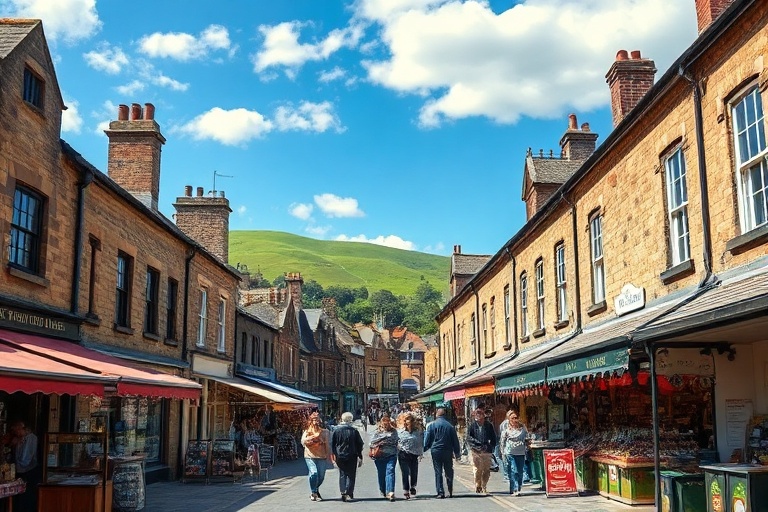
Brunch has transformed from a practical weekend solution into a global culinary phenomenon. Its origins trace back to 19th-century England, where the upper class enjoyed late breakfasts after church services. The tradition migrated to America in the early 20th century, evolving into the leisurely midday meal we recognize today. Unlike traditional breakfasts or lunches, brunch occupies a unique space where morning and afternoon meals blur, often accompanied by champagne or cocktails.
What began as an aristocratic indulgence has become democratized. Today, brunch is a social ritual in cities from Tokyo to Buenos Aires. The meal’s flexibility appeals to diverse lifestyles—whether it’s a post-workout recovery plate in Los Angeles or a family gathering in Lisbon. This adaptability has cemented brunch’s place in modern dining culture, proving it’s more than just a meal; it’s an experience.
The Social Significance of Brunch
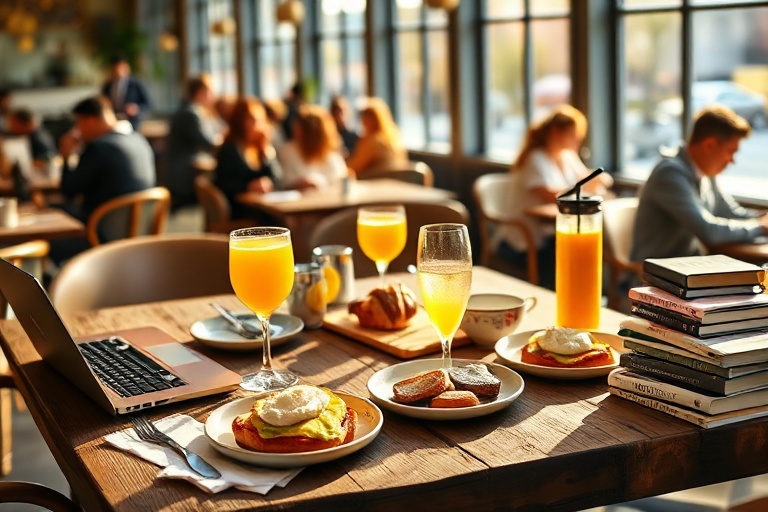
Brunch serves as a social equalizer. Its informal nature fosters connection, making it a favorite for first dates, business brunches, and friend reunions alike. Unlike formal dinners, brunch’s relaxed atmosphere encourages conversation and prolonged stays. Restaurants capitalize on this by designing spaces with communal tables or cozy nooks, often with bright, airy interiors that enhance the mood.
In cities like New York and London, brunch has become a weekend pastime that defines local culture. The food scene in these metropolises thrives on brunch innovation, with chefs experimenting with fusion dishes that blend global flavors. For instance, avocado toast now appears with miso-glazed eggplant in Los Angeles, while Tokyo restaurants serve brunch with matcha-infused pancakes. These adaptations reflect how brunch adapts to local tastes while maintaining its core appeal.
A Global Tour of Brunch Traditions
While brunch is a Western concept, its adoption worldwide has led to fascinating regional twists. In Mexico, brunch often includes chilaquiles, huevos rancheros, or tamales, paired with coffee or fresh juice. The meal is a staple after late-night celebrations, offering a hearty recovery option. Similarly, in Morocco, brunch might feature msemen (flaky pancakes) with honey and mint tea, a nod to the country’s rich culinary traditions.
In Asia, brunch takes on a more refined approach. In Seoul, cafés serve brunch with Korean staples like kimchi pancakes or bulgogi breakfast burritos. Meanwhile, in Melbourne, Australia, brunch is an art form, with minimalist cafés offering dishes like ricotta hotcakes with native wattleseed. These variations highlight brunch’s ability to blend local ingredients with global trends.
Notable Brunch Dishes Around the World
- France: Croque Madame with béchamel and a fried egg
- Brazil: Pão de Queijo with tapioca pancakes and fresh fruit
- South Africa: Bunny chow (curry-filled bread) with a side of chutney
- Japan: Tamagoyaki (sweet rolled omelet) with steamed rice and miso soup
- United States: Eggs Benedict with crab or smoked salmon
The Business of Brunch: Why Restaurants Love It
Brunch is a financial goldmine for restaurants. Weekend brunch services often generate higher revenue per table than weekday dinners, thanks to the allure of bottomless mimosas and premium dishes. Many establishments operate brunch as a loss leader, using discounted drinks to draw crowds who then order pricier food. This strategy has led to the rise of brunch-only spots, particularly in urban areas where competition is fierce.
However, the brunch economy isn’t without challenges. Rising ingredient costs and labor shortages have forced some restaurants to reassess their brunch menus. Additionally, the post-pandemic shift toward remote work has blurred the lines between brunch and lunch, with some diners opting for earlier or later meals. Despite these hurdles, brunch remains a cornerstone of the hospitality industry, driving foot traffic and social media buzz.
The Dark Side of Brunch Culture
While brunch is celebrated for its conviviality, it’s not without criticism. The meal has been scrutinized for its association with gentrification, particularly in neighborhoods where rising brunch spots push out longstanding local eateries. In cities like Oakland and Brooklyn, debates rage over whether brunch culture exploits working-class communities. Critics argue that the meal’s exclusivity—often tied to high prices and trendy aesthetics—creates barriers for those who can’t afford the experience.
Environmental concerns also plague brunch culture. The reliance on avocados, imported cheeses, and single-use plastics in to-go brunch orders contributes to unsustainable practices. Some eco-conscious diners are pushing back by seeking out zero-waste brunch spots or plant-based alternatives. This shift reflects a growing awareness of brunch’s ecological footprint and the demand for more responsible dining options.
Brunch in the Digital Age: A Social Media Sensation
Brunch’s popularity has been amplified by social media, particularly Instagram and TikTok. Dishes like rainbow bagels, unicorn toast, and over-the-top pancake stacks are designed for shareability, with restaurants prioritizing photogenic presentations. Hashtags like #brunchgoals and #brunchaddict have millions of posts, turning brunch into a visual spectacle.
This digital obsession has led to the rise of brunch influencers, who curate lists of the best spots in their cities. Platforms like Yelp and Google Reviews further fuel the competition, with diners vying for the title of “best brunch in town.” However, the pressure to create Instagrammable meals has also led to food waste, as restaurants discard imperfect dishes to maintain aesthetic standards.
Despite these challenges, social media has democratized brunch discovery. Smaller, independent cafés now compete with chains by leveraging local hashtags and influencer partnerships. This leveling of the playing field has enriched the brunch landscape, offering diners a wider array of choices.
Conclusion: The Future of Brunch
Brunch’s journey from a leisurely aristocratic tradition to a global dining phenomenon underscores its enduring appeal. Its ability to adapt to cultural shifts while maintaining its core essence—relaxation, indulgence, and social connection—ensures its longevity. As diners become more conscious of sustainability and inclusivity, brunch will likely evolve to meet these demands, offering healthier, more affordable, and environmentally friendly options.
For now, brunch remains a beloved ritual, a testament to humanity’s love of gathering around food and drink. Whether it’s a simple affair with coffee and pastries or an elaborate spread with champagne and caviar, brunch continues to define weekend culture worldwide. Its future is as vibrant and varied as the dishes served on its tables.