Cruise Ship Hantavirus Outbreak: Risks and Prevention Guide
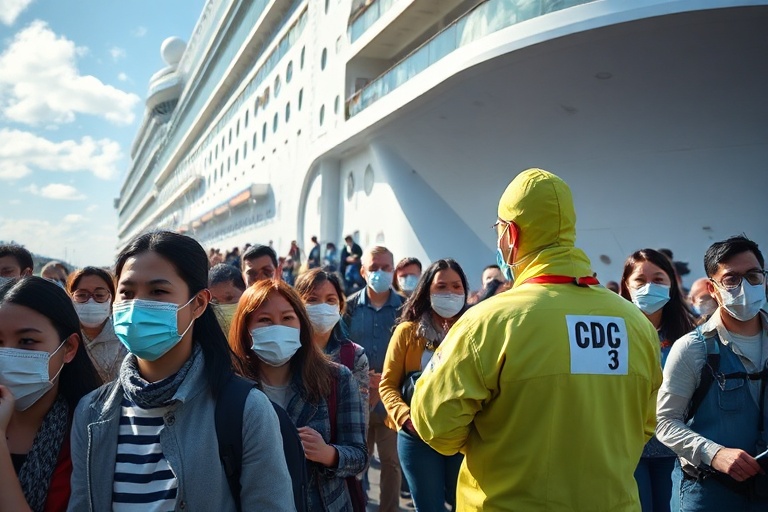
The recent hantavirus outbreak aboard a luxury cruise ship has raised serious concerns about passenger safety and cruise line protocols. Health authorities are investigating how the virus spread among passengers and crew members, prompting urgent questions about prevention and response measures in confined maritime environments.
Understanding Hantavirus and Its Transmission
Hantavirus is a rare but potentially deadly virus primarily transmitted through contact with infected rodents or their urine, droppings, or saliva. While human-to-human transmission is extremely rare, the virus can spread through airborne particles when disturbed rodent nests are inhaled.
On cruise ships, where thousands of passengers and crew members live in close quarters, the risk of viral outbreaks is always a concern. The confined spaces, shared ventilation systems, and communal areas create ideal conditions for rapid transmission if proper sanitation measures are not followed.
According to the Centers for Disease Control and Prevention (CDC), hantavirus pulmonary syndrome (HPS) has a mortality rate of up to 38%, making early detection and containment critical. Symptoms typically appear within 1 to 5 weeks after exposure and include fever, muscle aches, and difficulty breathing.
Common Signs and Symptoms
- Fever and chills
- Headaches and muscle aches
- Nausea, vomiting, or abdominal pain
- Shortness of breath (a key indicator of HPS)
- Dizziness or lightheadedness
The Cruise Ship Outbreak: What Happened?
Health officials confirmed a cluster of hantavirus cases aboard the Pacific Voyager, a mid-sized cruise ship that had recently completed a 14-day voyage from Los Angeles to Hawaii. At least six passengers and two crew members tested positive for the virus, with several others showing symptoms.
Investigations revealed that the outbreak may have originated in the ship’s lower deck storage areas, where rodents had reportedly been spotted. Poor sanitation and delayed pest control measures likely contributed to the spread. The cruise line has since implemented enhanced cleaning protocols and rodent extermination efforts.
Passengers who fell ill reported symptoms within days of disembarking, leading to immediate medical evacuations in some cases. The CDC and local health departments are working closely with the cruise line to trace contacts and prevent further exposure.
Cruise Line Protocols and Passenger Safety
Cruise lines are required to adhere to strict sanitation and pest control regulations set by the CDC’s Vessel Sanitation Program (VSP). However, outbreaks still occur due to the challenges of maintaining hygiene in high-traffic areas.
In response to this incident, the affected cruise line has temporarily suspended operations for deep cleaning and pest eradication. They have also offered refunds and medical support to affected passengers. Meanwhile, health authorities are reviewing whether existing protocols were sufficient.
For passengers planning future cruises, it’s essential to research a company’s safety record and sanitation practices. The Travel section on Dave’s Locker provides updates on cruise line safety standards and outbreak reports.
What Passengers Should Do If Exposed
If you or someone you know recently traveled on the Pacific Voyager and is experiencing symptoms, seek medical attention immediately. Inform healthcare providers about your cruise ship exposure so they can test for hantavirus.
Passengers who may have been exposed should monitor their health for at least six weeks, as symptoms can take time to appear. The CDC recommends avoiding contact with rodents and their habitats, especially in enclosed spaces.
For those concerned about future cruises, consider booking with companies that have strong pest control and sanitation records. The News section on Dave’s Locker tracks travel advisories and outbreak alerts.
Long-Term Implications for the Cruise Industry
The hantavirus outbreak raises broader questions about cruise line accountability and passenger safety. While outbreaks are rare, they can have severe consequences for both health and reputation.
Industry experts predict that stricter regulations may be implemented, particularly regarding pest control and emergency response plans. Cruise lines may also invest in advanced air filtration systems to reduce transmission risks in shared spaces.
For now, passengers should remain vigilant about hygiene and sanitation during their travels. The CDC continues to monitor the situation and update guidelines as needed.
The hantavirus outbreak aboard the Pacific Voyager serves as a reminder that even in controlled environments like cruise ships, health risks can emerge. By staying informed and following safety protocols, travelers can minimize their exposure to potential threats.