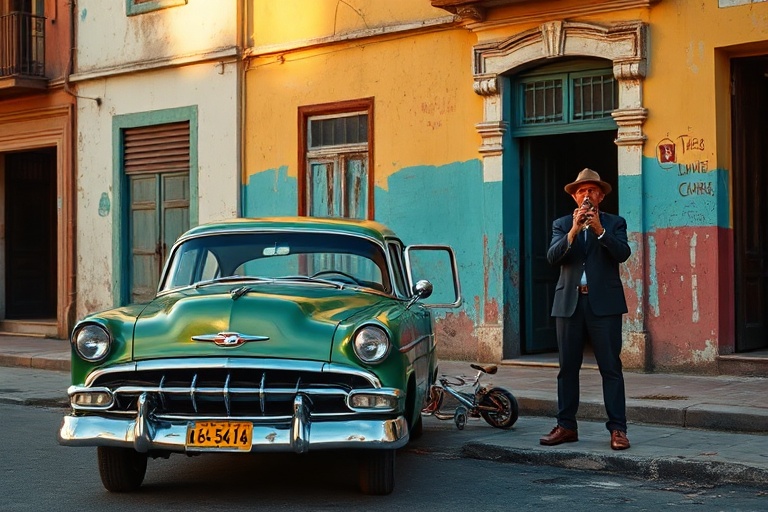
Cuba continues to navigate a complex landscape in 2024, marked by economic reforms, political unrest, and shifting international alliances. The island nation, long accustomed to U.S. embargoes and domestic shortages, faces renewed pressure as global oil prices fluctuate and tourism remains volatile. Meanwhile, protests have flared in recent months, challenging the government’s grip on power.
These developments come at a time when Cuba’s leadership is attempting to balance market liberalization with socialist ideals. The government’s recent approval of private businesses in over 2,000 new economic activities signals a potential shift, but implementation remains uneven. Analysts argue that while these reforms could ease shortages, they may also exacerbate inequality across the island.
The Economic Landscape: Reform or Stagnation?
Cuba’s economy has struggled under the weight of U.S. sanctions, the COVID-19 pandemic, and a decline in Venezuelan oil subsidies. In response, the government has introduced measures to stimulate growth, including allowing small and medium-sized private enterprises. However, the impact of these changes is uneven. Some Cubans report newfound opportunities, while others face bureaucratic hurdles and scarcity.
Key industries such as agriculture and manufacturing remain constrained by outdated infrastructure and limited access to capital. The recent legalization of private businesses in sectors like technology and food services has sparked cautious optimism, but foreign investment remains tepid due to lingering regulatory uncertainty. Tourism, once a reliable revenue stream, has yet to fully recover from pandemic-era disruptions.
Challenges Facing Cuba’s Economic Reforms
- Bureaucratic resistance: Local officials often obstruct reforms due to vested interests or ideological opposition.
- Limited capital access: Private entrepreneurs struggle to secure loans, with most financing still controlled by state banks.
- Infrastructure decay: Decades of underinvestment have left roads, ports, and utilities in poor condition.
- Brain drain: Skilled professionals continue to emigrate, exacerbating labor shortages.
For deeper analysis on how Cuba’s economic shifts compare to other Latin American nations, explore our Analysis section. The broader implications of these reforms extend beyond Cuba’s borders, influencing regional trade dynamics and U.S.-Latin America relations.
Political Unrest: Protests and Government Crackdowns
In July 2024, anti-government protests erupted in Havana and other cities, fueled by economic hardship and frustration with the ruling Communist Party. Demonstrators demanded greater freedoms, improved living conditions, and an end to repression. Security forces responded with arrests and internet blackouts, a tactic the government has employed in past uprisings.
The protests reflect a generational divide, with younger Cubans—many of whom have no memory of the Cold War era—pushing for change. Social media has played a pivotal role in organizing dissent, despite government attempts to restrict digital access. The crackdowns have drawn condemnation from human rights groups, but the regime shows no signs of loosening its grip.
Key Factors Behind the Recent Unrest
- Economic despair: Inflation and food shortages have eroded living standards, particularly in urban areas.
- Youth disillusionment: Many young Cubans view emigration as their only path to opportunity.
- Digital activism: Platforms like WhatsApp and Telegram have become tools for mobilizing dissent.
- International scrutiny: The U.S. and EU have condemned the crackdowns, but concrete action remains limited.
For ongoing coverage of political developments in Cuba and their global repercussions, visit our News section. The protests underscore the fragile balance between control and reform that Cuba’s leadership must navigate.
International Relations: Shifting Alliances and Geopolitical Pressures
Cuba’s foreign policy has traditionally relied on alliances with Venezuela, Russia, and China. However, Venezuela’s economic collapse and Russia’s preoccupation with the Ukraine war have weakened these partnerships. Meanwhile, China has deepened its economic ties, investing in infrastructure and telecommunications. The U.S., under its current administration, has signaled a willingness to ease sanctions—but only in exchange for democratic concessions.
The Biden administration’s recent decision to allow limited remittances to Cuba marks a tentative thaw in relations. Yet, the embargo remains firmly in place, and Congress shows little appetite for repeal. Analysts suggest that Cuba’s leadership may seek to diversify its alliances further, potentially turning to countries like Iran or North Korea for support.
These shifts have broader implications for Latin America, where Cuba’s model of socialism has long been a polarizing issue. As Cuba recalibrates its foreign policy, neighboring nations are watching closely, wary of both the risks and opportunities presented by the island’s evolving role.
What’s Next for Cuba?
The coming months will be critical for Cuba as it grapples with economic stagnation and political dissent. The government’s ability to implement meaningful reforms without sparking further unrest remains uncertain. Meanwhile, the international community watches, weighing the potential for engagement against the risks of instability.
For Cubans, the stakes could not be higher. The reforms offer a glimmer of hope, but the path forward is fraught with challenges. Whether the government can deliver tangible improvements—or whether the protests will escalate into something larger—remains to be seen.
One thing is clear: Cuba’s story is far from over. As the island navigates this pivotal moment, its choices will reverberate across the region and beyond.
“Cuba stands at a crossroads. The reforms may offer a lifeline, but without genuine economic and political opening, the pressure will only build.” — Latin America expert, University of Miami
For more on Cuba’s cultural and societal shifts, explore our Culture section. The island’s resilience and creativity continue to inspire, even as its challenges grow more complex.