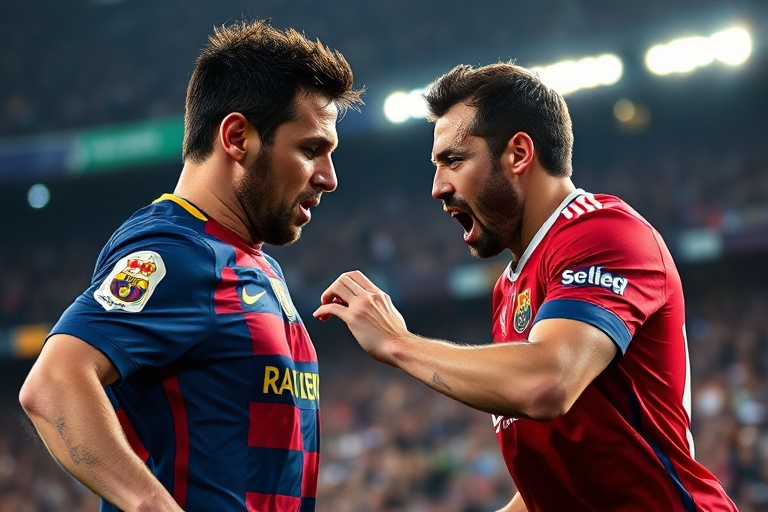
The Rivalry That Defines Modern Football
The clash between FC Barcelona and Real Madrid, known worldwide as El Clásico, transcends the boundaries of sport. It is a spectacle that commands attention across continents, uniting and dividing football fans in equal measure. While the match itself lasts 90 minutes, the narrative surrounding it spans decades, cultures, and ideologies.
Beyond the pitch, El Clásico reflects deeper historical and political tensions. Rooted in the early 20th century, the rivalry emerged from Barcelona’s regional identity and Madrid’s centralizing power. The match became a symbol of Catalan pride, especially during Franco’s dictatorship when the Catalan language was suppressed. Football clubs often carry the weight of history, and El Clásico is no exception.
A Global Stage for Legends
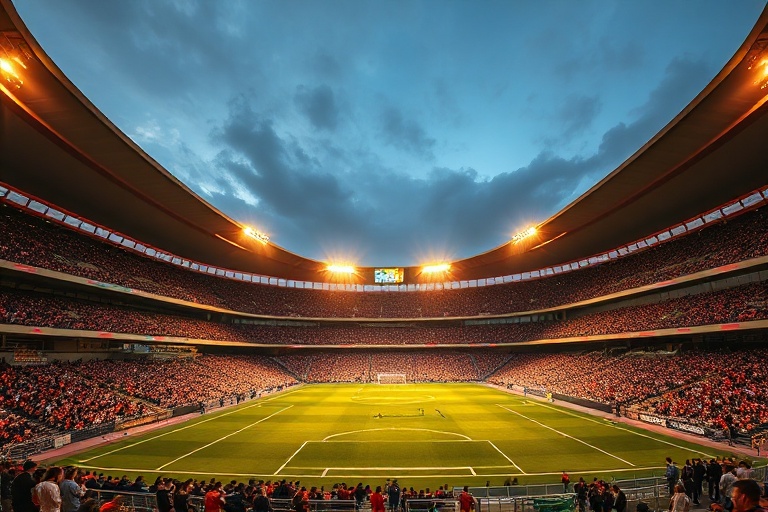
El Clásico is not merely a fixture; it is a global event. Broadcast in over 200 countries, it draws an estimated audience of 650 million viewers. The match’s appeal lies in its unpredictability and the sheer star power on display. Over the years, this fixture has produced some of football’s most iconic moments.
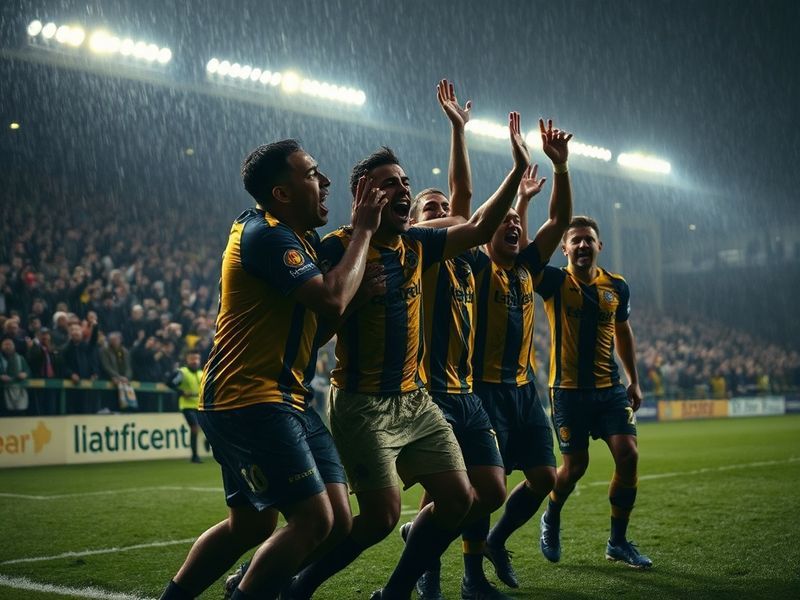
The rivalry has been defined by legendary figures: Di Stéfano and Kubala, Cruyff and Gento, Messi and Ronaldo. Each era brings new narratives—whether it’s the tactical masterclass of Guardiola’s Barcelona or the sheer dominance of Madrid’s galacticos under Florentino Pérez. The players become symbols, their performances dissected in real time by analysts, fans, and critics alike.
For many young athletes worldwide, watching El Clásico is a rite of passage. The technical brilliance, physical intensity, and mental resilience required at this level serve as an aspirational benchmark. The match is more than entertainment; it is an educational experience in what it means to excel in football.
Cultural Impact Beyond the Pitch
The influence of El Clásico extends far beyond the stadium. It shapes merchandise trends, influences betting markets, and even impacts tourism in both cities. Barcelona and Madrid, two of Europe’s most visited destinations, see increased foot traffic during match weeks as fans flock to experience the atmosphere firsthand.
In the digital age, the rivalry has found new life on social media. Platforms like Twitter and Instagram explode with reactions, memes, and debates after each match. The global football community becomes a digital coliseum where opinions are voiced, and rivalries are rehashed in endless threads.
Yet, the cultural impact is not always positive. The intensity of the rivalry has occasionally spilled over into violence and division. Hooliganism, though less prevalent today, remains a concern. The clubs and local authorities continuously work to channel this passion into safer, more inclusive forms of fandom.
What Makes This Rivalry Unique?
El Clásico stands apart from other football rivalries for several reasons:
- Historical Depth: Unlike rivalries born from geographical proximity, El Clásico carries centuries-old political and cultural baggage.
- Global Reach: Few club matches attract the same level of international attention, making it a unifying event for diverse audiences.
- Star Power: The fixture consistently features the world’s best players, ensuring a high standard of competition.
- Tactical Evolution: Each era introduces new styles of play, from the tiki-taka of the 2010s to the high-pressing systems of today.
The rivalry’s uniqueness also lies in its ability to reinvent itself. While other derbies may fade in prominence, El Clásico remains at the forefront of football discourse. This is due in part to the financial might of both clubs—they consistently rank among the richest in the world—allowing them to attract and retain top talent year after year.
The Fan Perspective: A Love-Hate Relationship
For supporters, El Clásico is a rollercoaster of emotions. The stakes are personal. A win feels like a triumph over not just a rival team, but a rival way of life. A loss, conversely, can feel like a national humiliation.
The fan experience is as much about identity as it is about football. In Barcelona, wearing the blaugrana shirt is an act of defiance and pride. In Madrid, the white of Real Madrid represents tradition and power. The chants, the banners, and even the pre-match rituals all contribute to an atmosphere that is electric and unparalleled.
Social media amplifies this passion. Fans from Tokyo to Buenos Aires share their reactions in real time, creating a global community united by a shared obsession. The rivalry fosters connections that transcend language and borders, albeit often through heated debate.
Yet, the rivalry also fosters a sense of belonging. For many, supporting their respective club is a lifelong commitment passed down through generations. The match becomes a family event, a tradition, and a source of shared memories.
The Future of El Clásico
As football evolves, so too does El Clásico. The introduction of technology, such as VAR, has added new layers of controversy and debate. Financial regulations like UEFA’s Financial Fair Play have reshaped the financial landscape, influencing how both clubs operate.
Young talents like Gavi and Jude Bellingham are the new faces of this age-old rivalry. Their performances will shape the narrative for years to come. Meanwhile, the clubs’ global ambitions—through initiatives like the proposed European Super League—continue to spark debate about the future of football itself.
The rivalry’s endurance is a testament to its cultural significance. In an era where football is increasingly dominated by financial might and globalized branding, El Clásico remains a rare constant—a match that is as much about history, identity, and passion as it is about sport.
For football purists, this is what the game is all about. For casual fans, it’s an opportunity to witness greatness. And for the world, it’s a reminder of why football is more than just a game.