Contaminated Milk Prompts Nationwide Recall
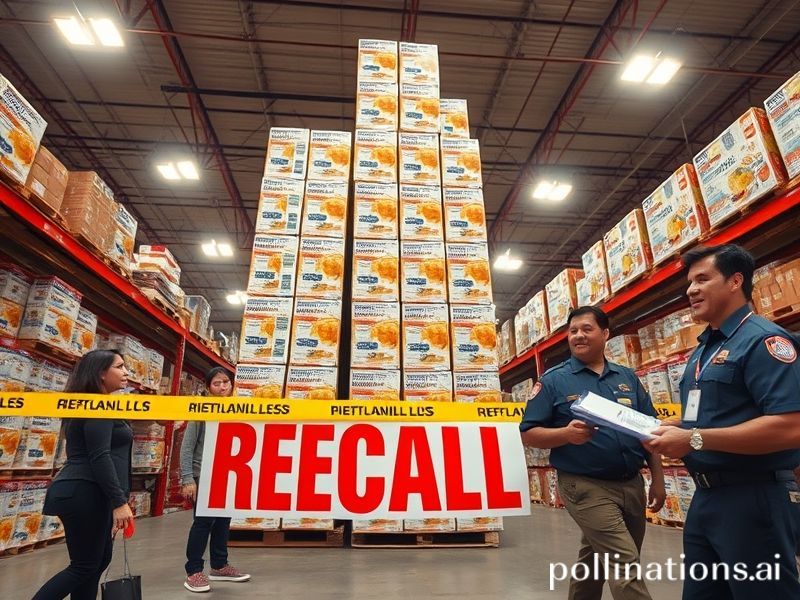
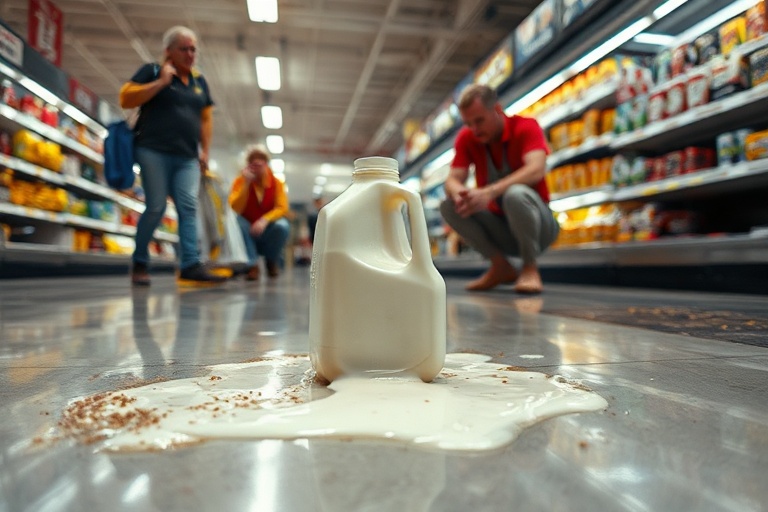
The U.S. Food and Drug Administration (FDA) announced a sweeping recall of raw milk products from multiple dairy farms after routine testing detected Salmonella contamination. The affected brands include Organic Valley, Raw Farm, and Miller’s Organic Farm, spanning at least eight states. Consumers who purchased raw milk from these suppliers since early July are urged to discard the products immediately.
Health officials have confirmed at least 23 cases of salmonellosis linked to the recalled milk, with hospitalizations reported in Pennsylvania and Colorado. The outbreak strain, identified as Salmonella Typhimurium, matches samples taken from both patients and the contaminated dairy supplies. While raw milk advocates argue for its nutritional benefits, public health experts emphasize the well-documented risks of unpasteurized dairy consumption.
Why Raw Milk Carries Unavoidable Risks
Raw milk advocates often cite improved digestion, immune support, and superior taste as reasons for choosing unpasteurized products. However, the FDA maintains that pasteurization—heating milk to kill harmful bacteria—is the only reliable method to prevent outbreaks like this one. According to the CDC, unpasteurized dairy products account for nearly 70% of all dairy-related disease outbreaks in the U.S., despite representing a small fraction of total milk consumption.
Key concerns associated with raw milk include:
- Bacterial contamination: Beyond Salmonella, raw milk can harbor E. coli, Listeria, and Campylobacter.
- Limited oversight: Dairy farms producing raw milk are subject to fewer inspections than those handling pasteurized products.
- Legal gray areas: Some states ban raw milk sales entirely, while others permit it under strict regulations—creating inconsistency in consumer protection.
- Severe health consequences: Vulnerable populations, including children, the elderly, and immunocompromised individuals, face higher risks of hospitalization or death from infections.
Industry Accountability in Question
The current recall underscores broader issues within the dairy industry, particularly regarding food safety enforcement. While the FDA has issued multiple warnings about raw milk consumption in recent years, enforcement remains inconsistent. Critics argue that regulatory agencies prioritize industry growth over consumer protection, allowing high-risk products to remain on the market despite known dangers.
Small-scale dairy farmers, who often sell raw milk through direct-to-consumer channels like farmers’ markets and farm stands, face unique challenges. Many lack the resources to implement advanced testing protocols or comply with stringent safety standards. Yet, their products frequently bypass the same oversight applied to large commercial dairies. This disparity raises ethical questions about equitable food safety practices.
What Consumers Should Know Now
If you’ve consumed raw milk from Organic Valley, Raw Farm, or Miller’s Organic Farm within the past month, monitor for symptoms of salmonellosis, which typically include diarrhea, fever, abdominal cramps, and vomiting. Symptoms usually appear within 6 hours to 6 days after exposure and can last up to a week. Severe cases may require medical attention.
The recalled products include:
- Organic Valley Raw Milk (Best By dates: 07/15/2024 – 08/05/2024)
- Raw Farm Raw Milk (Lot numbers: RM-2024-07A, RM-2024-07B)
- Miller’s Organic Farm Raw Milk (Batch codes: MOM-24-07-01 through MOM-24-07-12)
For a complete list of recalled products and return instructions, visit the Food Safety section on Dave’s Locker. If you’re unsure whether your milk is affected, err on the side of caution and contact the manufacturer directly.
Broader Implications for Food Safety Policy
The latest Salmonella milk scare arrives amid growing public skepticism about food industry regulation. High-profile recalls in recent years—ranging from leafy greens to frozen vegetables—have eroded trust in existing oversight mechanisms. Consumers increasingly demand transparency, yet regulatory agencies often struggle to keep pace with evolving production methods and supply chain complexities.
Industry representatives counter that voluntary compliance programs, such as the Food Safety Modernization Act (FSMA), provide adequate safeguards. However, critics argue that FSMA’s provisions disproportionately benefit large corporations while leaving small farms and artisanal producers at a disadvantage. The tension between innovation and regulation has become a defining challenge for modern food policy.
Looking ahead, several trends may shape the future of dairy safety:
- Technological advancements: Blockchain and IoT sensors could enhance traceability in supply chains, reducing contamination risks.
- Consumer education: Public campaigns emphasizing the dangers of raw milk may shift purchasing behaviors over time.
- Policy reforms: Stricter labeling requirements or outright bans on raw milk sales could emerge in states with high outbreak rates.
- Market consolidation: As liability concerns grow, smaller raw milk producers may exit the market, leaving larger players to dominate.
Final Thoughts: Balancing Choice and Safety
Foodborne illness outbreaks serve as stark reminders of the delicate balance between consumer choice and public health. While raw milk enthusiasts value autonomy and natural production methods, the risks—however rare—cannot be ignored. The current recall highlights the need for stronger collaboration between regulators, producers, and consumers to mitigate preventable health crises.
For now, the FDA’s swift response has likely prevented a larger public health disaster. Yet, the episode raises critical questions: How much risk should individuals be allowed to take with their food? And how can regulators enforce safety without stifling small-scale innovation? As the dairy industry evolves, these questions will demand clear answers.
Stay informed by following updates on Health and News sections of Dave’s Locker. If you’ve been affected by the recall, report your symptoms to your local health department and consider sharing your experience to raise awareness about food safety priorities.