Frankland Prison: Inside the UK’s Maximum-Security Facility
Frankland Prison, located near Durham in northeast England, stands as one of the most secure correctional facilities in the United Kingdom. Opened in 1983, the prison has earned a reputation for housing some of the country’s most dangerous and high-profile offenders. With its Category A status and maximum-security protocols, Frankland serves as a critical component of the UK’s prison system, balancing punishment with rehabilitation efforts.
The History and Purpose of Frankland Prison
Constructed in the early 1980s as part of a broader expansion of high-security prisons in the UK, Frankland was designed to accommodate inmates deemed too dangerous for less restrictive facilities. The prison’s construction reflected a shift in penal philosophy toward isolating violent and high-risk offenders to protect both the public and prison staff. Over the decades, Frankland has evolved alongside changing attitudes toward incarceration, blending deterrence with limited opportunities for inmate reform.
Initially, Frankland’s primary function was to hold prisoners convicted of serious violent crimes, including murder, terrorism, and organized crime. Today, it continues to serve this role while also managing inmates convicted of terrorism-related offenses—a category that has grown significantly since the early 2000s. The prison’s location, set within a sprawling, remote landscape, further enhances its security by minimizing external access points and reducing the risk of escapes.
Key Milestones in Frankland’s Evolution
- 1983: Frankland Prison opens with a capacity of around 500 inmates.
- 1990s: The prison begins housing more high-profile criminals, including organized crime figures.
- 2000s: Increased focus on terrorism-related inmates following major security threats.
- 2010s: Expansion of rehabilitation programs despite maintaining strict security measures.
Frankland’s history is also marked by several notable incidents, including riots and escapes, which have led to periodic reviews of its security protocols. These events have occasionally prompted public debate about the balance between punishment and rehabilitation within the prison system.
Security Measures and Daily Operations
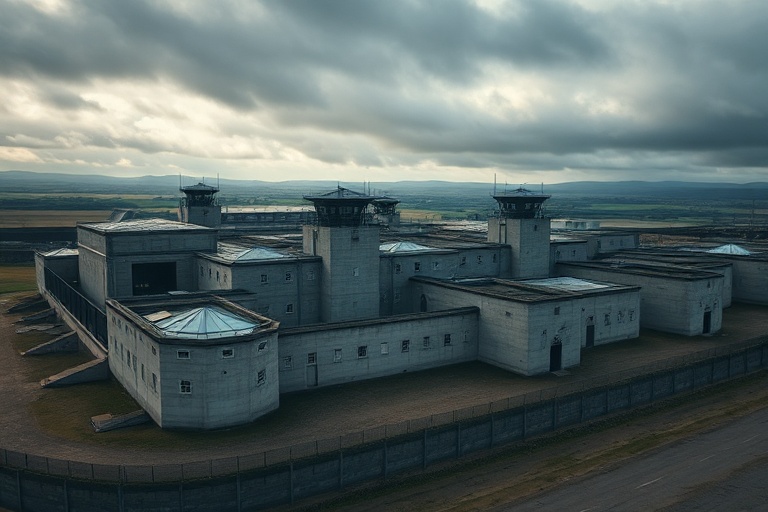
Frankland Prison is renowned for its stringent security measures, which are among the most rigorous in the UK. The facility operates under a multi-layered security system designed to prevent escapes, control contraband, and manage inmate behavior. Visitors to Frankland often note the visible presence of armed guards, high perimeter walls, and advanced surveillance technology as defining features of the institution.
Inmates at Frankland are classified under Category A, the highest security level in the UK prison system. This classification applies to those who pose the most significant risk to the public, police, or national security. As a result, movement within the prison is heavily restricted, and inmates spend the majority of their time in solitary confinement or shared cells under constant monitoring.
Daily Routine and Inmate Life
The daily routine at Frankland is structured to maintain order and minimize opportunities for misconduct. Inmates are typically woken early for headcounts, followed by scheduled meals, exercise periods, and limited access to educational or recreational activities. Even these activities are conducted under strict supervision to prevent the smuggling of contraband or the formation of unauthorized groups.
Work assignments within the prison are another key component of inmate life. Frankland offers limited vocational training programs, such as laundry services or kitchen work, which aim to provide inmates with basic skills. However, participation in these programs is often voluntary and subject to security clearance. The prison also provides access to psychological counseling and substance abuse treatment, though availability varies depending on staffing and funding.
Visitation policies at Frankland are equally stringent. Family visits are permitted but are conducted in controlled environments with glass partitions to prevent physical contact. Phone calls are monitored, and written correspondence is screened for security threats. These measures underscore the prison’s overarching goal: to maintain absolute control over every aspect of inmate life.
Challenges and Controversies
Despite its strict security protocols, Frankland Prison has faced significant challenges over the years. One of the most persistent issues is overcrowding, a problem that plagues many high-security prisons in the UK. The combination of high-profile inmates and limited space has led to tensions among prisoners and staff alike, occasionally resulting in violent incidents.
Another major concern is the mental health of inmates. Isolation and prolonged confinement can exacerbate pre-existing conditions or contribute to the development of new psychological issues. Frankland has been criticized for its handling of mentally ill inmates, with reports highlighting inadequate access to specialized care. In response, the prison has gradually introduced more mental health programs, though critics argue that these efforts remain insufficient.
Notable Incidents and Escapes
Frankland has been the site of several high-profile incidents, including riots and escape attempts. One of the most infamous occurred in 2016 when a group of inmates staged a violent protest, leading to significant damage to prison property. The incident highlighted underlying frustrations among inmates regarding living conditions and access to rehabilitation services.
Escape attempts, while rare, have also drawn public attention. In 2007, an inmate managed to scale the prison’s perimeter walls using makeshift equipment, though he was recaptured within hours. Such incidents, though infrequent, underscore the ongoing need for vigilance in maintaining Frankland’s security standards.
Rehabilitation and Reform Efforts
Despite its reputation as a maximum-security prison, Frankland has made incremental efforts to introduce rehabilitation programs aimed at reducing recidivism. These programs are designed to address the root causes of criminal behavior, such as substance abuse, lack of education, and mental health issues. While the scope of these initiatives remains limited, they represent a shift in the prison’s approach to incarceration.
One notable example is the prison’s partnership with local educational institutions to provide inmates with basic literacy and numeracy courses. These programs are voluntary but have shown promise in improving inmates’ prospects upon release. Additionally, Frankland has introduced limited vocational training, such as welding and woodwork, to equip inmates with marketable skills.
However, the effectiveness of these programs is often debated. Critics argue that the restrictive environment of Frankland undermines rehabilitation efforts, as inmates have minimal opportunities to apply newly acquired skills in real-world settings. Supporters counter that even small steps toward reform are valuable in an institution primarily focused on containment.
Frankland also collaborates with external organizations to provide counseling and support for inmates nearing the end of their sentences. These efforts aim to ease the transition back into society, though their impact is difficult to measure given the prison’s isolated location and the complex needs of its population.
Conclusion: The Future of Frankland Prison
Frankland Prison remains a critical but contentious institution within the UK’s criminal justice system. Its primary function as a high-security facility ensures that some of the country’s most dangerous offenders remain incarcerated, protecting the public from potential harm. Yet, the prison’s strict environment also presents significant challenges, particularly in balancing security with the need for rehabilitation.
As debates about prison reform continue to evolve, Frankland will likely face increasing scrutiny over its policies and practices. The prison’s ability to adapt to these pressures—whether through expanded rehabilitation programs or improved mental health services—will determine its role in the future of UK incarceration. For now, Frankland stands as a stark reminder of the complexities inherent in the justice system: a place where punishment and reform must coexist, even in the most challenging of circumstances.
For those interested in exploring similar high-security facilities or learning more about the UK prison system, visit Dave’s Locker News for additional insights and analysis.