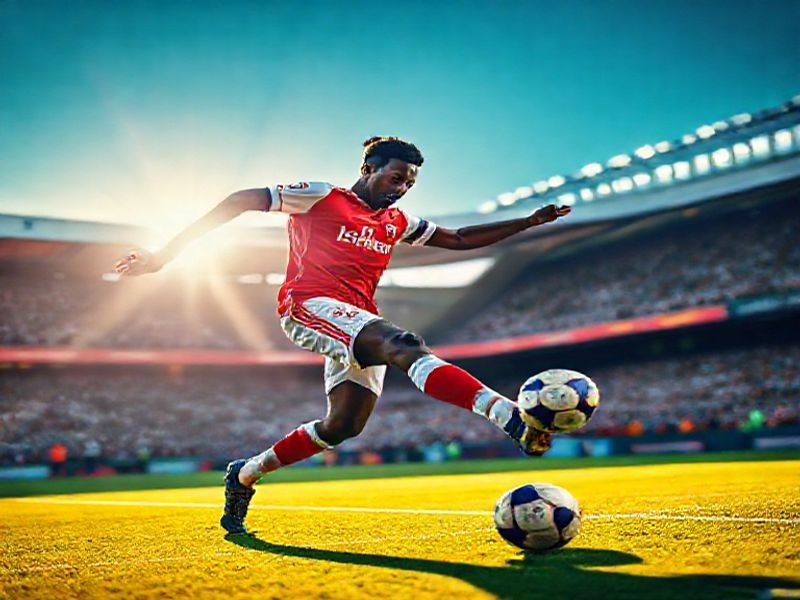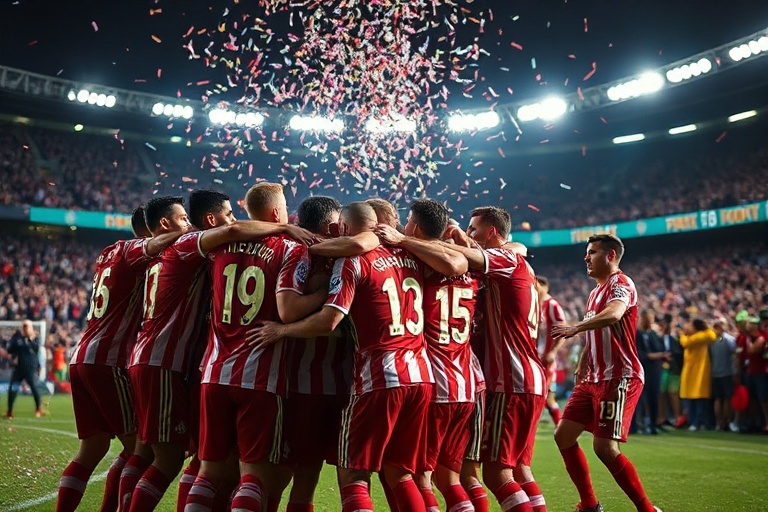
Football clubs have evolved from local community teams into global brands with millions of followers. This transformation reflects broader changes in sports culture, economics, and media consumption. Understanding this shift provides insight into how football clubs operate today and their role in shaping modern entertainment.
The Historical Roots of Football Clubs
Football clubs emerged in the 19th century as amateur organizations, often tied to schools, churches, or industrial workplaces. The Football Association’s formation in 1863 standardized rules and paved the way for organized competition. Early clubs like Preston North End and Aston Villa became pioneers, laying the foundation for professional football.
By the early 20th century, clubs began adopting professional structures, with players receiving wages and clubs competing in structured leagues. This shift democratized the sport, making it accessible to working-class communities. The introduction of the FA Cup and later the Football League provided platforms for clubs to gain national recognition.
Key Milestones in Football Club History
- 1888: The Football League’s inaugural season featured 12 clubs, marking the birth of organized professional football.
- 1930: The first FIFA World Cup elevated clubs’ international prestige, creating global rivalries.
- 1992: The Premier League’s formation revolutionized broadcasting and commercial revenue, turning clubs into media powerhouses.
- 2000s: The rise of social media allowed clubs to engage directly with fans, shifting marketing strategies.
The Business of Football Clubs
Modern football clubs operate as multi-faceted businesses, blending sports performance with entertainment and commerce. Revenue streams now include broadcasting rights, sponsorships, merchandise, and digital content. Clubs like Manchester United and Real Madrid generate hundreds of millions annually, rivaling multinational corporations.
Ownership models vary widely. Some clubs remain fan-owned, like FC Barcelona, while others are controlled by billionaires or investment groups. This diversity influences decision-making, from player transfers to stadium expansions. The financial stakes have also led to increased scrutiny over governance and financial fair play regulations.
Revenue Streams for Top Football Clubs
- Broadcasting Rights: TV deals account for the largest share of revenue, with leagues like the Premier League selling rights for billions.
- Commercial Partnerships: Sponsorships from brands like Adidas and Emirates provide steady income.
- Matchday Revenue: Ticket sales and hospitality remain crucial, though secondary to broadcasting.
- Merchandising: Club-branded apparel and memorabilia generate significant global sales.
The Cultural Influence of Football Clubs
Football clubs are more than sports entities; they are cultural symbols. They reflect regional identities, social movements, and even political sentiments. For instance, clubs like Liverpool FC and Borussia Dortmund are synonymous with their cities’ working-class roots and resilience.
Fan culture has also evolved, with ultras and supporter groups shaping stadium atmospheres. Social media amplifies this connection, allowing fans to interact directly with players and clubs. The global reach of clubs like Manchester City and Paris Saint-Germain has turned them into ambassadors for their cities, attracting tourism and investment.
The Future of Football Clubs
The next decade will likely see further commercialization, with clubs exploring new revenue streams like NFTs and virtual experiences. Sustainability is also becoming a priority, as clubs invest in eco-friendly stadiums and operations. Technology will play a bigger role, from VAR (Video Assistant Referee) to AI-driven player scouting.
However, challenges remain. Financial disparities between clubs threaten competitive balance, while issues like player welfare and concussion risks demand attention. The balance between profit and sporting integrity will define the future of football clubs.
Emerging Trends in Football Clubs
- Women’s Football Growth: Clubs are investing in women’s teams, reflecting broader societal shifts.
- Esports Integration: Many clubs now have esports divisions, tapping into gaming’s massive audience.
- Sustainability Initiatives: Clubs are adopting green practices, from solar-powered stadiums to carbon-neutral travel.
- Global Expansion: Clubs are opening academies and offices abroad to tap into new markets.
For deeper analysis on sports trends and business models, explore our News and Analysis sections. These categories offer insights into the broader implications of football’s evolution.
Conclusion
Football clubs have transcended their origins to become influential global institutions. Their impact extends beyond the pitch, shaping economies, cultures, and technologies. As they navigate the complexities of modern sports, clubs must balance commercial success with their core mission: delivering thrilling football.
The future will test their adaptability, but one thing is certain: football clubs will remain at the heart of the world’s most popular sport.