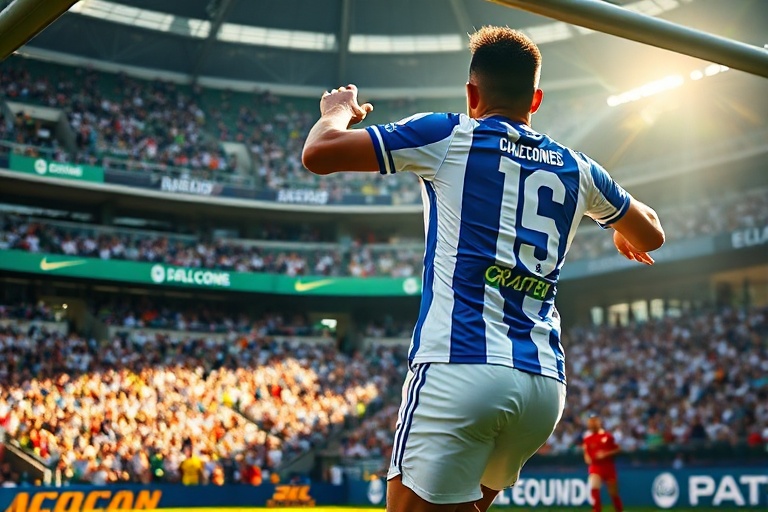
The phrase “pain in the arsenal” has taken on new meaning in sports, where injuries to key players can derail entire seasons. For teams like Arsenal FC, a single setback can shift the balance of power in a league. The ripple effects extend beyond the pitch, influencing fan morale, financial decisions, and even managerial careers. What happens when the most critical pieces of a roster suddenly disappear?
The Anatomy of a Setback: How Injuries Disrupt the Best-Laid Plans
Injuries are an inevitable part of sports, but their timing can be devastating. A star player sidelined during a crucial stretch can turn a championship contender into a mid-table also-ran almost overnight. For Arsenal, a club with a storied history but recent inconsistency, injuries have often been the difference between success and disappointment.
Consider the 2023-24 Premier League season. Arsenal entered the campaign with high expectations, only to see their title hopes evaporate as key players—including Bukayo Saka and Declan Rice—missed significant stretches due to injuries. The absence of these players wasn’t just a personnel issue; it was a strategic nightmare. Teams rely on their stars to execute game plans, and without them, even the best-laid tactics can crumble.
Injuries also force managers to make adjustments they wouldn’t otherwise consider. Coaches must adapt their formations, rely on less experienced players, or even overhaul their entire approach. For Arsenal’s Mikel Arteta, these adjustments have often come under intense scrutiny, with fans and pundits quick to question his decisions when results falter.
The Human Cost: Beyond the Game, the Personal Toll
While the on-field consequences of injuries are well-documented, the personal toll on athletes is often overlooked. Players like Gabriel Jesus and Jurrien Timber have spoken openly about the mental health challenges of dealing with long-term injuries. The frustration of being sidelined, the pressure to return too soon, and the fear of losing their place in the team can weigh heavily on even the most resilient athletes.
For Arsenal, the loss of a player like Jesus—one of their most consistent performers—wasn’t just about goals. It was about the void his absence left in the locker room. Leadership, experience, and chemistry are intangible but critical components of success, and injuries can strip those away in an instant.
The club’s medical staff faces immense pressure to get players back on the field quickly and safely. Yet, the risk of re-injury or long-term damage looms large. In an era where player contracts are tied to performance metrics, the stakes are higher than ever.
Financial Fallout: The Business Side of Injuries
Injuries don’t just affect matchdays—they impact the bottom line. For a club like Arsenal, which has invested heavily in its squad, an injured player represents a sunk cost. Sponsors may hesitate to renew deals if the team’s performance declines, and ticket sales can drop if fans lose faith in the product on the pitch.
According to reports, Arsenal’s commercial revenue took a hit during periods of poor form linked to injuries. While the club has a strong global brand, the financial impact of missing key players can’t be ignored. Insurance policies and player wages continue to accrue, even when the athlete is unable to contribute.
Investors and analysts watch these trends closely. A club’s ability to manage injuries can influence its valuation, especially in an era where sports franchises are increasingly seen as financial assets. For Arsenal, the challenge is twofold: maintain competitiveness while protecting the long-term health of its players.
Lessons Learned: Can Arsenal Turn the Pain into Progress?
So, what can Arsenal—and other teams—do to mitigate the damage of injuries? The answer lies in a combination of prevention, adaptability, and investment.
Key Strategies for Managing Injuries
- Preventive Measures: Advanced training techniques, load management, and cutting-edge recovery technologies can reduce the risk of injuries. Arsenal has invested in its medical team, but more can be done to stay ahead of the curve.
- Depth in the Squad: A strong bench is no longer a luxury—it’s a necessity. Clubs must develop young talent and acquire versatile players who can step in when needed.
- Mental Health Support: Players need more than physical rehabilitation. Mental health resources can help athletes cope with the psychological toll of injuries.
- Smart Transfers: Recruiting players with strong injury histories but proven track records can be a gamble worth taking—if the due diligence is done.
Arsenal’s recent signings, such as Declan Rice and Kai Havertz, were meant to bolster the squad’s resilience. Yet, injuries have continued to disrupt their progress. The club’s ability to turn this pain into progress will define its next chapter.
A Broader Perspective: Injuries in the Modern Sports Landscape
The challenge of injuries isn’t unique to Arsenal. Across football, basketball, and other sports, teams are grappling with the same issues. The NFL, for example, has implemented strict protocols to protect players, but the physical nature of the sport means injuries remain inevitable. In basketball, stars like LeBron James have defied age to stay on the court, but even they are not immune to setbacks.
For Arsenal, the lesson is clear: injuries are a part of the game, but they don’t have to dictate the outcome. The club’s response to adversity will shape its future. Whether through tactical adjustments, squad overhauls, or improved medical care, Arsenal must find a way to turn pain into progress.
As fans, we’ve seen the highs and lows of supporting a team that always seems to be on the edge of greatness but never quite reaches it. The next time an injury sidelines a key player, we’ll be watching closely—not just to see who steps up, but to see how the club adapts. Because in the end, it’s not just about the players on the field. It’s about the system that supports them.
For more insights into Arsenal’s tactics and challenges, visit our Analysis section. To stay updated on the latest team news, check out our Sports category.