How Trump’s Global Approval Ratings Shaped International Perceptions
Tracking Trump’s Approval Ratings Beyond the United States
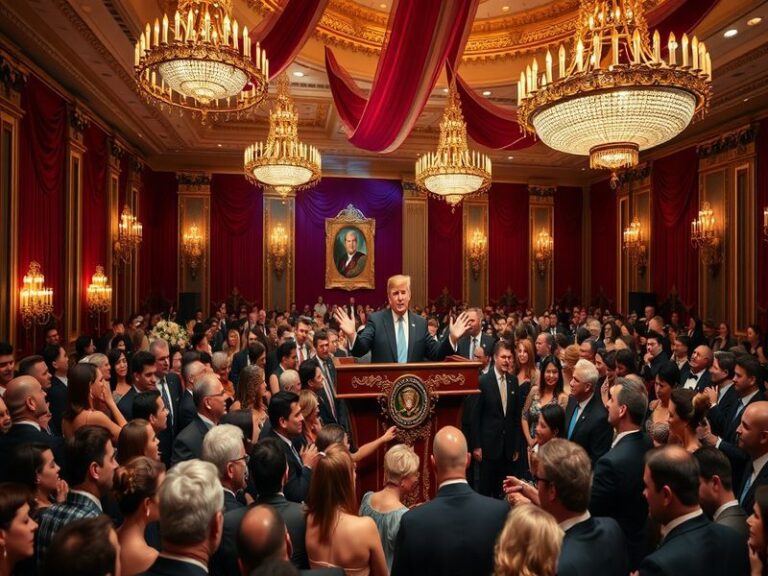
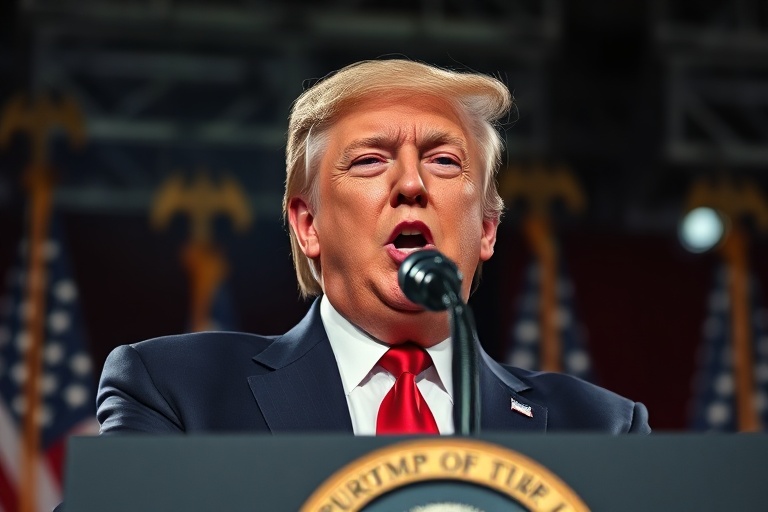
The global conversation around Donald Trump’s political influence often focuses on domestic approval ratings, but the ripple effects of his leadership extend far beyond America’s borders. While U.S. polling data dominates headlines, international perspectives on Trump’s performance reveal a more complex narrative shaped by geopolitics, media narratives, and cultural perceptions. Understanding these dynamics requires looking beyond traditional metrics to examine how his presidency influenced global opinion, trade relationships, and international diplomacy.
Trump’s first term (2017–2021) was marked by policies that reshaped America’s role on the world stage, from the withdrawal from international agreements like the Paris Climate Accord to the renegotiation of trade deals such as NAFTA. These moves garnered both criticism and cautious approval from global observers, depending on regional priorities and political alignments. For instance, some European nations viewed his administration as a disruptor of multilateral stability, while leaders in certain Asian and Latin American countries saw pragmatic opportunities in his transactional approach to foreign policy.
The Global Media’s Framing of Trump’s Leadership
International media outlets played a significant role in shaping perceptions of Trump’s approval ratings outside the U.S. Outlets like the BBC, Al Jazeera, and Der Spiegel often highlighted controversies, such as his rhetoric on immigration or his handling of international conflicts, which skewed global narratives. Meanwhile, state-controlled media in countries like Russia and China framed Trump’s presidency as a sign of American decline, using it to bolster their own narratives about the fragility of Western democracy.
This media fragmentation contributed to a polarized global view of Trump. In some regions, his leadership was seen as a necessary correction to decades of perceived American overreach. In others, he was viewed as a destabilizing force threatening global security and cooperation. The contrast in coverage underscores how media bias and geopolitical interests shape the perception of approval ratings beyond simple polling numbers.
How Trump’s Policies Reshaped International Approval
Trump’s foreign policy decisions had measurable impacts on how other nations viewed his leadership. His administration’s “America First” approach prioritized bilateral deals over multilateral agreements, leading to mixed reactions worldwide. For example:
- Trade Relations: Countries like Canada and Mexico initially bristled at Trump’s threats to renegotiate NAFTA but later adapted to the revised USMCA agreement. Meanwhile, European leaders expressed frustration over tariffs on steel and aluminum, which strained transatlantic relations.
- NATO and Security: Trump’s criticism of NATO allies for not spending enough on defense created tension within the alliance. Some Eastern European nations, however, appreciated his tough stance on Russia, viewing it as a deterrent against aggression.
- Middle East Diplomacy: His recognition of Jerusalem as Israel’s capital and the subsequent relocation of the U.S. embassy drew praise from some Middle Eastern allies but sparked protests and condemnation from others, particularly in predominantly Muslim countries.
These policies didn’t just influence diplomatic relationships; they also affected how ordinary citizens in these countries perceived Trump’s leadership. Polls by organizations like the Pew Research Center showed that in many European and Asian nations, Trump’s approval ratings were consistently low compared to his domestic support base. However, in some parts of Africa and Latin America, his administration’s focus on counterterrorism and economic partnerships garnered more measured reactions.
The Cultural Divide: How Pop Culture and Public Opinion Intertwined
Beyond politics, Trump’s presidency became a cultural touchstone in global discourse, influencing everything from late-night comedy to international fashion. Shows like Last Week Tonight with John Oliver and Saturday Night Live amplified critiques of his leadership in countries where American media holds significant sway. Meanwhile, his presidency inspired a wave of political satire and protest art worldwide, from murals in Berlin to graffiti in Buenos Aires.
Interestingly, Trump’s personal brand—rooted in reality TV and luxury branding—also played a role in shaping his international image. In some markets, his business acumen was seen as a sign of strength, while in others, it reinforced perceptions of him as an unserious leader. For example, in parts of Asia, where business leaders often hold significant cultural capital, Trump’s background was sometimes viewed as an asset rather than a liability.
Comparing Domestic and International Approval Trends
While Trump’s domestic approval ratings fluctuated based on events like the COVID-19 pandemic or the 2020 election, international approval often followed a different trajectory. Data from the Global Attitudes Survey by Pew Research Center revealed that in 2020, a median of just 18% of respondents across 13 advanced economies approved of Trump’s handling of global affairs. This figure stood in stark contrast to his domestic approval ratings, which hovered around 40% at the time.
Several factors contributed to this disparity. First, Trump’s rhetoric on issues like climate change and immigration often clashed with the priorities of other nations. Second, his administration’s skepticism of international institutions, such as the World Health Organization and the United Nations, alienated many global partners. Finally, his leadership style—characterized by unpredictability and direct confrontation—challenged traditional diplomatic norms, leaving many international observers uneasy.
The Long-Term Impact on Global Approval of U.S. Leadership
Trump’s presidency left a lasting imprint on how the world views American leadership. Even after his departure from office, the policies he championed continued to influence international relations. For instance, his withdrawal from the Iran nuclear deal (JCPOA) led to a fragmented approach among European nations, with some attempting to salvage the agreement while others distanced themselves from U.S. involvement.
Moreover, Trump’s emphasis on “America First” emboldened other nationalist leaders worldwide, from Brazil’s Jair Bolsonaro to Hungary’s Viktor Orbán. This trend highlighted how his administration’s policies resonated beyond U.S. borders, inspiring or validating similar movements in other countries. However, it also sparked backlash, with many nations reaffirming their commitment to multilateralism and global cooperation in response to Trump’s unilateralism.
Conclusion: A Legacy of Polarization and Pragmatism
Donald Trump’s approval ratings, both domestically and internationally, reflect a presidency that defied conventional expectations. While his domestic support base remained steadfast, his global approval was shaped by a mix of admiration, frustration, and caution. The policies he pursued and the rhetoric he employed created a legacy that continues to influence global politics, media narratives, and cultural discourse.
Looking ahead, the lessons from Trump’s presidency offer valuable insights into the complexities of global leadership. As nations navigate an increasingly multipolar world, the balance between nationalism and internationalism will remain a defining challenge. For observers and policymakers alike, understanding the nuances of Trump’s global approval ratings provides a lens through which to examine the evolving dynamics of power, perception, and diplomacy in the 21st century.