Indy 500: History, Legends, and Why It’s Racing’s Greatest Event
The Indianapolis 500, often referred to as “The Greatest Spectacle in Racing,” stands as the pinnacle of American motorsports. Held annually on Memorial Day weekend at the Indianapolis Motor Speedway in Indiana, this 500-mile race has captivated audiences since its inception in 1911. More than just a race, the Indy 500 represents a blend of tradition, innovation, and sheer athletic prowess on four wheels.
The event draws over 300,000 spectators to the historic 2.5-mile oval track, making it one of the largest single-day sporting events in the world. For drivers, winning the Indy 500 is the ultimate achievement, a lifelong dream etched into motorsports history. The race’s legacy is built on legendary names like A.J. Foyt, Al Unser, Rick Mears, and more recently, Hélio Castroneves and Takuma Sato. Each year, new stars emerge while the echoes of past victories resonate through the Speedway’s grandstands.
The Origins and Evolution of the Indy 500
The Indianapolis 500 traces its roots to the early 20th century, when the Indianapolis Motor Speedway was constructed in 1909 as a testing ground for the burgeoning automotive industry. The first race in 1911 was won by Ray Harroun in the Marmon Wasp, a car equipped with the innovative rearview mirror—a novelty at the time. This victory set the tone for the race’s emphasis on both technology and driver skill.
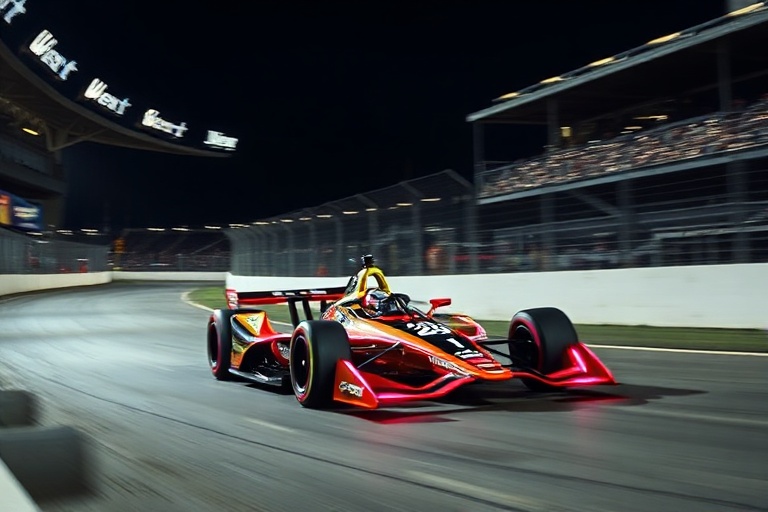
Over the decades, the Indy 500 has evolved alongside the automotive and racing industries. The introduction of rear-engine cars in the 1960s revolutionized the sport, improving safety and performance. The 1990s brought a shift to the Indy Racing League (IRL), which later merged with Champ Car to form the unified IndyCar Series. Today, the race features hybrid engines, advanced aerodynamics, and cutting-edge safety innovations, ensuring the Indy 500 remains at the forefront of motorsports technology.
The Speedway itself has undergone significant changes, with the addition of the iconic “Yard of Bricks” at the start/finish line—a nod to the track’s original surface. The track’s unique combination of high-speed straights and challenging turns demands precision, making every lap a test of a driver’s ability to push the limits of both machine and man.
Memorable Moments and Iconic Victories
The Indy 500 is a stage for drama, triumph, and heartbreak. Some of the most unforgettable moments in motorsports history have unfolded on this hallowed ground. One of the most dramatic finishes came in 1992, when Al Unser Jr. outduelled Scott Goodyear by just 0.043 seconds—the closest finish in Indy 500 history. The victory solidified Unser’s place among racing’s immortals.
In 2005, Dan Wheldon became the first foreign-born winner in nearly a decade, driving for Andretti Green Racing. His triumph was a statement of dominance for the team and a testament to the global appeal of the Indy 500. More recently, Takuma Sato made history in 2017 and 2020 as the first Japanese driver to win the race, cementing his legacy in the annals of motorsports.
Beyond individual victories, the Indy 500 is also defined by its moments of tragedy and resilience. The 1964 race saw Eddie Sachs and Dave MacDonald lose their lives in a fiery crash, a stark reminder of the dangers inherent in racing. The Speedway has since implemented numerous safety measures, including the SAFER barrier and improved cockpit protections, ensuring that drivers can compete with greater confidence in their safety.
For fans, the Indy 500 is as much about the stories off the track as it is about the action on it. From the legendary Borg-Warner Trophy, which features the likeness of every winner, to the post-race milk toast tradition started by Louis Meyer in 1936, the race is steeped in rituals that connect past and present.
Top 5 Most Iconic Indy 500 Victories
- 1966: Graham Hill – The “Gentleman” from England became the first foreign-born winner, proving that American racing could be conquered by international talent.
- 1986: Bobby Rahal – His victory marked the first win for a driver-owner in the modern era, a feat that resonated with racing purists.
- 1995: Jacques Villeneuve – The future Formula 1 champion dominated the race, showcasing the global reach of the Indy 500.
- 2001: Hélio Castroneves – His maiden victory was a display of raw emotion, as he famously climbed the catch fence in celebration.
- 2011: Dan Wheldon – His win in the centennial running of the race was a fitting tribute to the event’s rich history.
The Cultural Impact of the Indy 500
The Indianapolis 500 transcends motorsports, embedding itself in American culture. Its timing on Memorial Day weekend ties it to themes of remembrance and patriotism, while its place in the sporting calendar makes it a rite of passage for athletes and fans alike. The race has been featured in countless films, documentaries, and television broadcasts, further cementing its status as a cultural touchstone.
Local businesses in Indianapolis thrive during race week, with hotels, restaurants, and shops catering to the influx of visitors. The event generates over $400 million in economic impact for the region, underscoring its significance beyond the track. Meanwhile, the Speedway’s Museum of Speed preserves the history of the race, offering fans a tangible connection to its storied past.
The Indy 500 also plays a crucial role in shaping the careers of drivers. Many Indy 500 champions have gone on to achieve success in other series, including Formula 1, NASCAR, and endurance racing. The race serves as a proving ground, where raw talent is honed into world-class skill. For teams, victory in the Indy 500 can elevate their reputation and attract sponsorships, ensuring their place in the motorsports hierarchy.
Moreover, the Indy 500 has become a platform for social and technological innovation. The race has been a testing ground for alternative fuels, hybrid engines, and advanced safety technologies. In 2023, the introduction of hybrid power units marked a new chapter in the race’s history, reflecting the broader shift toward sustainability in motorsports.
The Future of the Indy 500
As the Indy 500 approaches its 110th anniversary, the race stands at a crossroads. The shift to hybrid engines and the increasing emphasis on sustainability signal a new era for the event. Organizers are also exploring ways to enhance the fan experience, from augmented reality features to improved accessibility for younger audiences.
One of the most pressing challenges is maintaining the race’s relevance in an era dominated by digital entertainment. To this end, the Indy 500 has embraced social media, livestreaming, and interactive content to engage fans beyond the track. The Speedway’s recent renovations, including the addition of the “Indianapolis Motor Speedway Museum” and the “Garage Area,” aim to create a more immersive experience for visitors.
Another critical factor is the diversification of the driver pool. The IndyCar Series has made strides in attracting female drivers and drivers from underrepresented backgrounds, ensuring the sport reflects the diversity of its fan base. Initiatives like the IndyCar League’s “Rising Star” program are nurturing the next generation of talent, guaranteeing the race’s legacy for decades to come.
For now, the Indy 500 remains a celebration of speed, skill, and tradition. As the engines roar to life and the field of 33 cars takes the green flag, the world watches in awe. The Indianapolis 500 is more than a race; it’s a testament to human ingenuity, perseverance, and the enduring allure of competition.
Whether you’re a lifelong fan or a first-time spectator, the Indy 500 offers an experience like no other. It’s a reminder of why motorsports endure—a blend of artistry, athleticism, and sheer adrenaline that captivates millions every year. As the checkered flag waves, the echoes of victory and the memories of a hard-fought battle linger, ensuring the Indianapolis 500 remains “The Greatest Spectacle in Racing.”
For those looking to dive deeper into the world of open-wheel racing, explore our Sports and Automotive sections for more insights and analysis.