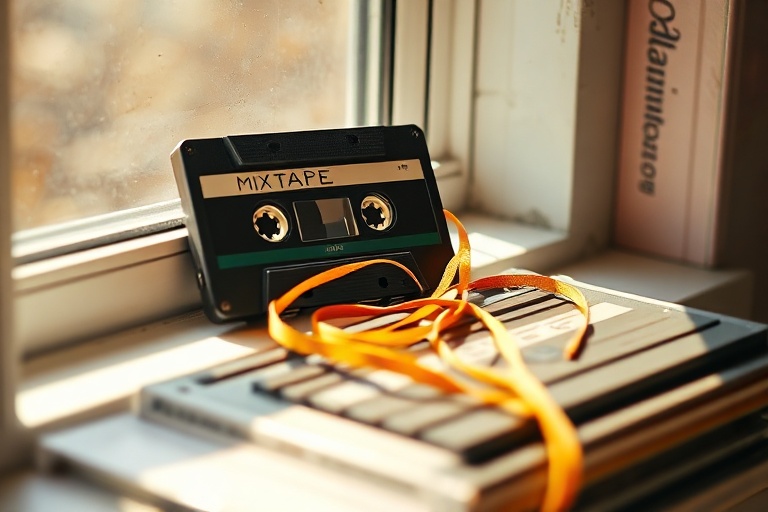
The Mixtape: A Cultural Artifact Reborn in the Digital Age
The mixtape has evolved from a humble cassette compilation to a digital phenomenon, carrying with it a legacy of personal expression and musical curation. Once a staple of mixtape culture, these handcrafted compilations have now found new life in streaming playlists and downloadable mixes. What began in the 1980s as a way for DJs to showcase their skills has transformed into a global language of music sharing.
In the early days, mixtapes were physical objects—carefully recorded, labeled, and traded among friends. They were more than just music; they were artifacts of personal taste and emotional connection. Today, digital platforms have democratized the mixtape, making it accessible to anyone with an internet connection. Yet, despite the shift to streaming, the essence of the mixtape endures: a curated collection of songs that tells a story.
The Origins of the Mixtape
The concept of the mixtape dates back to the 1970s and 1980s, when DJs in New York’s hip-hop scene began recording their sets onto cassette tapes. These early mixtapes were a way to circulate music that wasn’t available on commercial releases. Artists like DJ Kool Herc and Afrika Bambaataa used mixtapes to build their reputations and share underground tracks with wider audiences.
By the late 1980s and early 1990s, mixtapes had moved beyond the DJ scene. They became a way for music lovers to create personalized compilations for friends, lovers, or even themselves. The process was tactile—browsing record stores, flipping through albums, and carefully selecting tracks that fit a mood or theme. The act of recording a mixtape was deliberate, a ritual that required patience and thought.
Some of the most iconic mixtapes from this era were created by artists who later became legends. For example, Kanye West released his first mixtape, The College Dropout, as a way to bypass traditional record labels and connect directly with his audience. This independent spirit continues to define the mixtape’s legacy today.
The Digital Revolution and the Mixtape’s Reinvention
The rise of the internet in the late 1990s and early 2000s changed the mixtape forever. Websites like MP3.com and later platforms like DatPiff allowed artists to distribute their music freely, bypassing the need for physical tapes. This shift democratized music distribution, giving independent artists a platform to reach global audiences.
The mixtape’s digital transformation didn’t stop at distribution. Platforms like Spotify, Apple Music, and SoundCloud have introduced features that mimic the mixtape experience. Playlists now serve the same purpose—curating a personalized collection of songs for a specific mood, occasion, or theme. However, unlike physical mixtapes, digital playlists are infinitely customizable and shareable.
One of the most significant changes has been the rise of the “leak mixtape.” Artists like Drake and Young Thug have used mixtapes to drop music directly to fans, often bypassing traditional album cycles. This strategy has proven incredibly effective, allowing artists to test new material and build hype before a full album release.
The Emotional and Cultural Weight of the Mixtape
Despite its digital evolution, the mixtape retains a deep emotional and cultural significance. For many, a mixtape represents a moment in time—a snapshot of personal taste, relationships, or even a chapter of life. The act of creating or receiving a mixtape is a deeply intimate experience, one that carries the weight of human connection.
In the 1990s, mixtapes were often exchanged as romantic gestures. A carefully curated mix could convey feelings that words couldn’t. Even today, the spirit of the mixtape lives on in curated Spotify playlists or mixtapes shared via social media. The medium may have changed, but the sentiment remains the same: music as a form of expression and connection.
The mixtape has also played a role in preserving music history. Many classic albums and songs were first introduced to the public through mixtapes. For example, the rise of Southern hip-hop in the 1990s and 2000s was heavily influenced by mixtape culture, with artists like T.I. and Lil Wayne using tapes to build their careers.
How to Create Your Own Mixtape Today
With the tools available today, creating a mixtape is easier than ever. Here’s a step-by-step guide to crafting your own digital mixtape:
- Choose a Theme or Mood: Decide what emotion or theme you want to capture. Is it a nostalgic trip down memory lane, a high-energy workout mix, or a relaxing evening soundtrack?
- Select Your Tracks: Pick songs that fit your theme. Don’t be afraid to mix genres or eras—this is your chance to be creative.
- Organize the Flow: Arrange your tracks in a way that tells a story. Consider the transitions between songs and how they build on each other.
- Add a Personal Touch: Include a title, artwork, or even liner notes to give your mixtape a unique identity. Platforms like Spotify and SoundCloud allow you to customize your playlist cover art.
- Share It: Once your mixtape is ready, share it with friends or the world. Whether it’s a private playlist or a public drop on SoundCloud, the goal is to connect through music.
Creating a mixtape is about more than just music—it’s about storytelling. Whether you’re crafting a playlist for a road trip, a workout, or a late-night drive, the process is a chance to reflect on your tastes and share a piece of yourself with others.
The Future of the Mixtape
The mixtape’s future is likely to be shaped by technology and changing consumer habits. As streaming platforms continue to evolve, we may see new features that enhance the mixtape experience. Imagine AI-curated mixtapes that adapt to your mood or activity in real time. Or virtual mixtapes that change dynamically based on the listener’s location or time of day.
Despite these advancements, the core appeal of the mixtape will remain unchanged. It’s a medium for personal expression, a way to share music, and a tool for connection. Whether physical or digital, the mixtape will continue to evolve, but its heart will always beat to the rhythm of human creativity.
As we look ahead, one thing is clear: the mixtape is far from dead. It’s simply entering a new chapter—one where technology and tradition merge to create something even more powerful.
The mixtape’s legacy is a testament to the enduring power of music as a form of storytelling. It reminds us that music isn’t just something we listen to; it’s something we experience, share, and cherish. In a world of endless playlists and algorithms, the mixtape stands as a reminder of the personal touch—the human element—that makes music truly special.
—