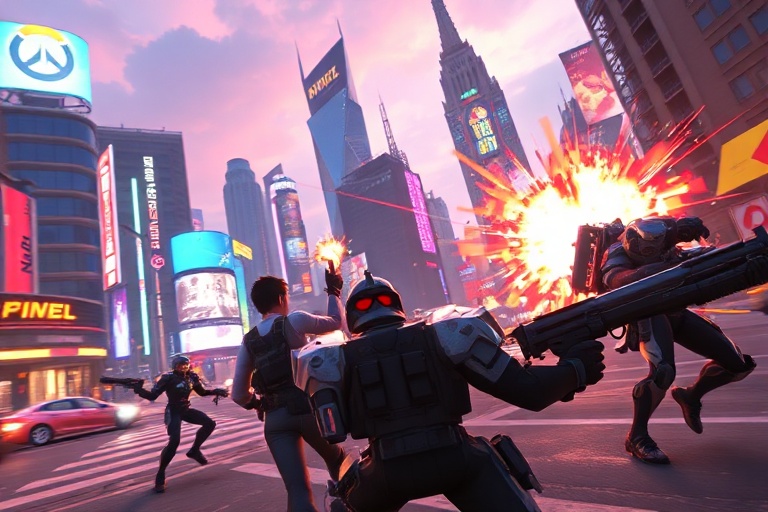
Blizzard Entertainment’s Overwatch 2 arrived in October 2022 not just as a sequel, but as a bold reimagining of the studio’s flagship hero shooter. The transition from a traditional 6v6 team format to a 5v5 structure marked one of the most significant changes in competitive shooters in years. More than a simple sequel, the game’s launch sparked debates about live-service design, monetization, and player expectations. Nearly two years later, its impact on the genre and gaming culture remains undeniable.
The Shift from Overwatch to Overwatch 2: What Changed?
The most visible change in Overwatch 2 was the reduction from six players per team to five, with the elimination of dedicated support heroes on each side. This decision aimed to streamline gameplay and create faster-paced matches, but it also altered team dynamics in subtle ways. Players had to adapt to shorter respawn timers, revised objective control, and a more condensed battlefield experience.
The sequel also introduced a new PvE mode called Hybrid Gameplay, blending hero shooter action with cooperative mission design. While praised for its innovation, the mode struggled to gain traction compared to the core competitive experience. Meanwhile, the game’s battle pass system and seasonal content updates kept players engaged, though monetization choices drew criticism from long-time fans who felt the game had strayed from its original vision.
Perhaps most significantly, Overwatch 2 launched as a free-to-play title. The move democratized access but also raised questions about sustainability. Blizzard shifted its revenue model toward cosmetic microtransactions and seasonal battle passes, a strategy that mirrored trends in other live-service games but felt jarring to players accustomed to the original’s premium pricing.
Key Changes in Overwatch 2
- 5v5 team structure (down from 6v6)
- Free-to-play model with battle pass and cosmetics
- Introduction of Hybrid PvE modes
- Revised hero kits and maps
- New seasonal storytelling through in-game events
Controversy and Player Backlash: Did Blizzard Misstep?
The transition to Overwatch 2 was not without friction. Many veteran players expressed frustration over the removal of beloved support heroes from the competitive rotation, arguing that the change diluted team synergy and forced players into roles they didn’t enjoy. The shift to a free-to-play model also alienated some fans who felt the game’s identity had been compromised.
Criticism extended beyond gameplay. Blizzard’s handling of the transition—including the removal of the original game’s servers and the abrupt shift to a new engine—raised concerns about corporate priorities. Some viewed the changes as rushed, particularly when technical issues and balance patches disrupted the early meta. While Blizzard has since refined hero balance and added back some support options, the initial reception cast a long shadow over the sequel’s reputation.
Yet, not all feedback was negative. The introduction of Overwatch 2’s seasonal storytelling, including events like the Storm Rising and Zero Hour arcs, demonstrated Blizzard’s attempt to evolve the game’s narrative scope. These events offered deeper lore connections and cinematic storytelling, appealing to players who valued the game’s world-building beyond just gameplay.
The Broader Impact on the Hero Shooter Genre
Overwatch 2 didn’t just redefine its own franchise—it influenced the broader hero shooter landscape. Competitors like Valorant and Paladins watched closely as Blizzard experimented with team composition, monetization, and content delivery. The shift to free-to-play, in particular, became a benchmark for new entries in the genre, forcing other studios to reconsider their own business models.
Meanwhile, the rise of cross-platform play in Overwatch 2 reflected a broader industry trend toward inclusivity. Players on PC, console, and even mobile (via cloud gaming) could compete together, expanding the game’s reach. This decision, while controversial among purists, aligned with modern gaming habits and set a standard for accessibility.
The game’s emphasis on hero diversity and role specialization also influenced other titles. Games like Marvel Rivals and Sentinel adopted similar character-based mechanics, suggesting that Overwatch’s legacy extends beyond its own player base. Its blend of fast-paced action, strategic depth, and vibrant visuals continues to shape expectations for the genre.
The Road Ahead: Can Overwatch 2 Recover Its Momentum?
As of 2024, Overwatch 2 remains a polarizing title. Its player count fluctuates, with peaks during major events and troughs during balance controversies. Yet, the game still boasts a dedicated competitive scene, with professional leagues like the Overwatch League adapting to the new format. Streamers and content creators continue to find success on the platform, proving that the game’s core appeal—teamwork, hero variety, and high-stakes matches—endures.
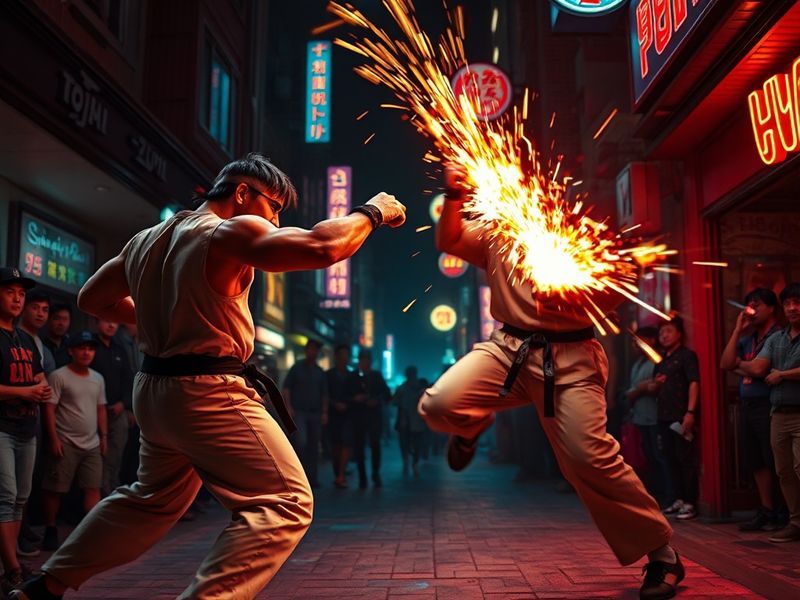
Blizzard’s ongoing efforts to refine the game, including the introduction of new heroes like Venture and Illari, suggest a commitment to evolution. The studio has also experimented with limited-time modes and crossover events, such as collaborations with franchises like Diablo and Street Fighter, to keep the experience fresh.
Whether Overwatch 2 can reclaim the cultural dominance of its predecessor remains uncertain. What’s clear, however, is that its influence on the gaming industry is already significant. The sequel forced studios to reconsider how they design, monetize, and support live-service games. For better or worse, it set a new standard for what players expect from team-based shooters.
What’s Next for Overwatch?
- Ongoing hero balance updates and new character releases
- Potential expansion into new game modes or genres
- Further integration of AI-driven features (e.g., improved matchmaking)
- Possible reintroduction of classic content (e.g., 6v6 modes in custom games)
- Continued evolution of the game’s narrative and cinematic storytelling
Ultimately, Overwatch 2 is more than a sequel—it’s a case study in the challenges of evolving a beloved franchise. Its journey reflects the tensions between innovation and tradition, accessibility and nostalgia, corporate strategy and player loyalty. For fans and industry observers alike, the story of Overwatch 2 is far from over.
For more gaming news and analysis, visit Dave’s Locker Gaming.
Explore deeper coverage of hero shooters at Dave’s Locker Technology.