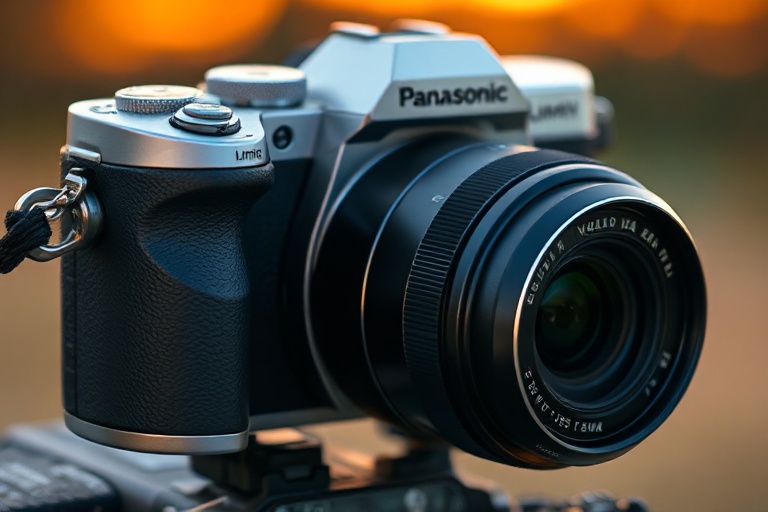
Panasonic Lumix L10 Review: Classic DSLR Still Worth It
The Panasonic Lumix L10, released in 2007, remains a standout model in the world of digital single-lens reflex (DSLR) cameras. While it may not boast the latest features found in modern mirrorless cameras, its robust build, intuitive controls, and reliable performance make it a worthy consideration for photography enthusiasts and collectors alike. This review explores the Lumix L10’s key features, its place in the market, and why it continues to hold value even years after its debut.
Design and Build Quality: A Solid Foundation
The Lumix L10’s design reflects Panasonic’s commitment to durability and user comfort. Encased in a magnesium alloy body, the camera feels substantial in hand, balancing weight and sturdiness without being overly cumbersome. Its ergonomic grip provides a secure hold, reducing the risk of accidental drops during extended shoots. The matte-black finish not only lends a professional aesthetic but also minimizes fingerprints and smudges.
Measuring 135.5 x 96.5 x 82.5 mm and weighing approximately 682 grams (with battery), the Lumix L10 is compact enough for travel yet robust enough for daily use. The control layout prioritizes accessibility, with well-placed buttons for quick adjustments. The flip-out, 2.5-inch LCD screen, a notable feature for its time, allows for versatile shooting angles, whether capturing low-angle shots or self-portraits. This articulating screen was particularly useful for videographers and macro photographers before such conveniences became standard.
While the Lumix L10 lacks the weather-sealing found in higher-end models, its build quality ensures longevity. The shutter mechanism is rated for approximately 100,000 actuations, a testament to its durability. For those seeking a camera that can withstand years of use, the Lumix L10 delivers where it matters most.
Image Quality and Performance: What to Expect
At its core, the Lumix L10 features a 10.2-megapixel Live MOS sensor paired with Venus IV Engine image processing. While the megapixel count may seem modest by today’s standards, the sensor delivers sharp, color-accurate images with minimal noise, especially at lower ISO settings (ISO 100–400). The dynamic range is commendable, allowing for good detail retention in both highlights and shadows.
The autofocus system relies on a contrast-detect method, which, while not as fast as phase-detect systems in competing DSLRs, performs adequately for still photography. The camera offers a continuous shooting speed of 3 frames per second, suitable for capturing action sequences or candid moments. However, its buffer capacity is limited, with the ability to shoot roughly 3–4 RAW files before slowing down. For JPEG shooters, this limitation is far less noticeable.
The Lumix L10’s ISO range spans from 100 to 1600, with an extended setting reaching ISO 3200. Image quality remains clean up to ISO 800, but noise becomes increasingly apparent at higher settings. This performance is typical for its era, and the camera excels in well-lit conditions. Low-light photographers may need to supplement with a fast lens or external lighting to achieve optimal results.
- Pros of Image Quality: Accurate colors, good dynamic range, and reliable performance in daylight.
- Cons: ISO noise at higher settings, slower autofocus compared to contemporary DSLRs.
Lens Compatibility and Versatility
The Lumix L10 uses the Four Thirds lens mount, a system developed jointly by Panasonic and Olympus. This mount allows for a wide range of lenses, from wide-angle to telephoto, catering to various photographic needs. While the Four Thirds system is no longer in active production, a thriving secondhand market offers affordable options for enthusiasts.
Kit lenses like the Panasonic Lumix G Vario 14-45mm f/3.5-5.6 provide a versatile starting point, covering wide-angle to short telephoto ranges. For portrait photographers, prime lenses such as the Olympus Zuiko Digital 50mm f/1.8 offer excellent sharpness and beautiful bokeh. Macro enthusiasts can explore lenses like the Panasonic Leica DG Macro-Elmarit 45mm f/2.8 ASPH, which delivers stunning close-up detail.
Adapters are also available to mount other lens systems, such as those from Canon or Nikon, though autofocus performance may be compromised. For those invested in the Four Thirds ecosystem, the Lumix L10 remains a flexible and adaptable tool. Its compatibility with legacy lenses adds to its appeal as a camera for experimentation and creative growth.
Video Capabilities: A Glimpse into the Past
Released in an era when DSLR video was still in its infancy, the Lumix L10 offers basic video recording capabilities. It can capture VGA (640 x 480) resolution at 30 frames per second, a far cry from today’s 4K standards. Audio is recorded via an internal microphone, with no option for an external mic input, limiting its utility for serious videographers.
While the video quality is rudimentary by modern standards, it serves as a nostalgic reminder of how far camera technology has evolved. For hobbyists looking to experiment with early DSLR videography, the Lumix L10 provides a fun and educational experience. However, those seeking professional video capabilities should look elsewhere.
Despite its limitations, the Lumix L10’s video function was groundbreaking for its time. It paved the way for Panasonic’s later advancements in mirrorless video cameras, such as the GH series. For collectors and retro tech enthusiasts, this feature adds a layer of historical significance to the camera.
Who Should Consider the Lumix L10?
The Panasonic Lumix L10 is an excellent choice for several types of users. Photography beginners will appreciate its straightforward controls and durable build, which provide a solid foundation for learning. The flip-out screen and intuitive menu system make it accessible for those transitioning from point-and-shoot cameras to DSLRs.
Collectors and retro tech enthusiasts will find value in the Lumix L10 as a piece of photographic history. Its Four Thirds lens compatibility and classic design make it a desirable addition to any camera collection. For those interested in exploring vintage gear, the Lumix L10 offers a tangible connection to the early days of digital photography.
Additionally, the Lumix L10 is ideal for photographers on a budget. With a thriving secondhand market, this camera can often be found at a fraction of its original price. Paired with affordable Four Thirds lenses, it provides an entry point into a system that still delivers impressive results.
However, the Lumix L10 may not suit everyone. Advanced users seeking high-speed autofocus, 4K video, or modern connectivity features (such as Wi-Fi or Bluetooth) will need to look elsewhere. Its lack of weather sealing and limited ISO performance also make it less ideal for professional use in challenging conditions.
Final Thoughts: A Camera with Lasting Appeal
The Panasonic Lumix L10 may be over a decade old, but it remains a compelling option for specific audiences. Its solid build, reliable image quality, and versatile lens compatibility ensure its relevance in today’s market. While it lacks the cutting-edge features of modern cameras, it offers something equally valuable: a sense of nostalgia and a connection to the evolution of digital photography.
For those willing to embrace its limitations, the Lumix L10 delivers a satisfying shooting experience. Whether you’re a beginner, a collector, or a budget-conscious photographer, this camera proves that great photography isn’t solely dependent on the latest technology. Sometimes, the best tools are the ones that inspire creativity without overwhelming the user.
If you’re interested in exploring other classic cameras or learning more about photography gear, check out our Technology category for additional reviews and guides. For those looking to dive deeper into vintage equipment, our Entertainment section offers insights into the history of photography and filmmaking.
The Panasonic Lumix L10 is more than just a relic; it’s a testament to Panasonic’s innovation and a reminder of how far camera technology has come. For enthusiasts willing to look beyond the specs, it offers a rewarding and enjoyable photographic experience.