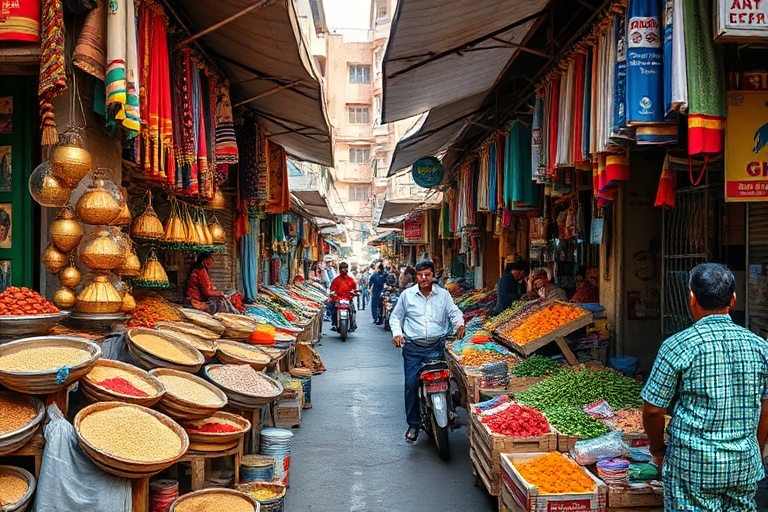
Nestled in the heart of Chhattisgarh, Raipur stands as a testament to India’s diverse cultural tapestry. This bustling city, often overshadowed by its larger neighbors, has quietly carved out a niche as a hub of tradition, industry, and modern development. With roots stretching back centuries, Raipur has evolved from a modest trading post to a dynamic urban center, blending ancient customs with contemporary progress.
The Historical Tapestry of Raipur
Raipur’s history is as layered as the soil beneath its feet. Archaeological evidence suggests human settlement in the region as early as the 9th century, though the city’s formal establishment is credited to the Kalchuri dynasty in the 14th century. Under their rule, Raipur flourished as a political and economic center, its strategic location making it a coveted prize for successive dynasties.
The city’s name itself hints at its storied past. Some historians trace it to the old Hindi word “Ripu,” meaning “fort,” while others link it to the local deity “Rajiv Lochan,” whose temple remains a revered landmark. Raipur’s resilience through centuries of invasions, from the Marathas to the British, has left an indelible mark on its architecture, cuisine, and cultural identity.
Today, the city’s historical districts—such as the Mahant Ghasidas Memorial Museum complex—offer glimpses into its layered past. The museum, housed in a colonial-era building, showcases artifacts from the region’s tribal communities, medieval sculptures, and a rare collection of ancient coins. These relics tell stories of Raipur’s role as a melting pot of cultures, where indigenous traditions met foreign influences.
Raipur’s Modern Identity: Industry and Innovation
While Raipur’s history is fascinating, its present-day significance lies in its economic transformation. Often dubbed the “Steel City of India,” Raipur is the nucleus of the state’s industrial boom, particularly in steel and power generation. The city’s growth is inextricably linked to the broader development of Chhattisgarh, which became a separate state in 2000. This administrative shift catalyzed infrastructure projects, attracting investment and fostering a burgeoning middle class.
The industrial landscape is dominated by steel plants like SAIL’s Bhilai Steel Plant, which lies just 30 kilometers away. This proximity has turned Raipur into a logistical powerhouse, with a thriving market for raw materials and finished goods. The city’s wholesale markets, such as the Raipur Rice Mill Association, handle millions of tons of agricultural produce annually, reinforcing its reputation as the “Rice Bowl of India.”
Yet Raipur’s economic narrative extends beyond heavy industry. The city is also emerging as a center for information technology, with government initiatives like the Chhattisgarh IT Park providing a platform for startups and tech firms. The rise of co-working spaces and digital incubators reflects a broader shift toward diversification, as Raipur positions itself as a gateway to central India’s digital economy.
Key Economic Drivers in Raipur
- Steel and Manufacturing: Home to major players like Tata Steel and Jindal Steel, Raipur’s industrial output fuels regional growth.
- Agriculture and Food Processing: The fertile plains surrounding Raipur support a robust rice, wheat, and pulse economy.
- Logistics and Trade: The city’s strategic location connects it to ports in Vizag and Mumbai, making it a critical trade hub.
- Information Technology: Government incentives and a young workforce are driving growth in IT and BPO sectors.
Cultural Melting Pot: Traditions and Contemporary Life
Raipur’s cultural scene is a vibrant mosaic, reflecting the diversity of Chhattisgarh’s tribal and non-tribal communities. The city’s festivals are a riot of color and sound, from the tribal dance festivals of Bastar to the classical music performances at the Raipur Sahitya Akademi. The annual Rajim Kumbh Mela, held just 25 kilometers away, draws millions of pilgrims, underscoring the region’s spiritual significance.
Culinary traditions in Raipur are equally compelling. The city’s cuisine is a blend of indigenous flavors and Mughal influences, with dishes like sabudana ki khichdi (sago porridge) and bore baingan (stuffed eggplant) standing out. Street food stalls in areas like Saraswati Ghat offer delicacies such as chila (savory pancakes) and muthia (steamed dumplings), reflecting the region’s agricultural abundance.
The city’s art scene is another highlight. Local artisans produce intricate iron craft, inspired by the region’s tribal traditions, while modern galleries like the Art & Culture center showcase contemporary works. The annual Raipur International Film Festival has further cemented the city’s reputation as a cultural hotspot, attracting filmmakers and artists from across the country.
Raipur’s Broader Implications: A Model for Regional Development
Raipur’s journey from a historical outpost to a modern metropolis offers valuable lessons for regional development in India. The city’s growth underscores the potential of decentralized economic planning, where local resources and traditions are leveraged to drive progress. Unlike metro cities that often grapple with overpopulation and pollution, Raipur’s development has been relatively balanced, with a focus on sustainable industrialization.
However, challenges remain. Urbanization has strained infrastructure, with traffic congestion and water scarcity emerging as pressing issues. The city’s rapid growth has also led to disparities in access to healthcare and education, particularly in peripheral areas. Addressing these gaps will require targeted policies and community engagement.
Raipur’s story also highlights the importance of preserving cultural heritage amid modernization. The city’s ability to retain its traditions—whether through festivals, cuisine, or art—while embracing innovation is a model for other regional hubs. This balance ensures that development does not come at the cost of identity, a lesson that resonates in an era of homogenizing urbanization.
Looking ahead, Raipur is well-positioned to play a pivotal role in central India’s economic and cultural landscape. With ongoing investments in infrastructure, education, and technology, the city is poised to become a model for inclusive growth. Its success could inspire similar transformations in other parts of the country, proving that progress and tradition can coexist.
What the Future Holds for Raipur
- Infrastructure Upgrades: Plans for metro rail and smart city initiatives aim to alleviate congestion and improve connectivity.
- Education and Skill Development: New universities and vocational training centers are being established to equip the workforce for future industries.
- Sustainable Practices: Initiatives like solar energy projects and waste management systems are being implemented to ensure eco-friendly growth.
- Cultural Preservation: Efforts to document and promote indigenous art forms and languages are gaining momentum.
Raipur’s evolution is far from over. As it continues to grow, the city’s ability to navigate these challenges while staying true to its roots will determine its legacy. For now, Raipur stands as a testament to the power of resilience, innovation, and cultural pride—a city that has rewritten its narrative without losing sight of its past.
Explore more about India’s cultural and economic hubs on Dave’s Locker.