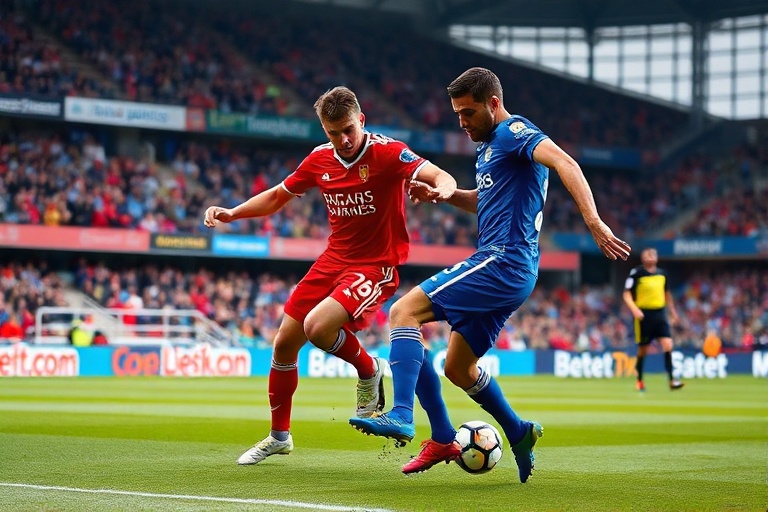
Football is more than just a sport; it’s a cultural mirror reflecting local pride, economic struggles, and the ever-shifting dynamics of competition. The upcoming match between Real Oviedo and Getafe CF is more than a Segunda División fixture—it’s a collision of histories, ambitions, and identities. One club represents the fading glory of Spain’s industrial north, while the other embodies the modern, pragmatic approach to survival in LaLiga.
This fixture isn’t just about three points. It’s about what football means in different corners of Spain. For Oviedo, a club once on the brink of extinction, every match is a statement of resilience. For Getafe, a team that has carved a niche in Spain’s top flight through disciplined football, it’s an opportunity to reaffirm their place in the hierarchy. The contrast between the two teams tells a broader story of Spanish football—one where tradition and pragmatism collide.
Real Oviedo: The Phoenix of Asturias
Founded in 1926, Real Oviedo has long been a symbol of footballing passion in Asturias, a region known for its industrial heritage and working-class culture. The club’s golden era came in the 1990s when it competed in LaLiga, finishing as high as sixth in the 1990-91 season. Players like Javier Manjarín and Boniperti became local legends, embodying the grit and determination of a team that refused to be overshadowed.
But the early 2000s brought financial ruin. By 2003, Real Oviedo was bankrupt, relegated to the regional leagues, and on the verge of disappearing entirely. The club’s salvation came through fan-led efforts, with supporters buying shares and relaunching the team in the Tercera División. This wasn’t just a football revival—it was a cultural comeback. Oviedo’s story resonated globally as an example of how football can be both a business and a community.
The club’s current identity is built on nostalgia and defiance. The Carlos Tartiere Stadium, named after the club’s founder, remains a fortress of local pride. Oviedo’s style of play reflects its underdog status: direct, physical, and relentless. In Segunda División, they are a team that fights for every inch, knowing that promotion would mean more than just football—it would be validation of their survival.
The Getafe Model: Survival Through Structure
Getafe CF, founded in 1983, represents a different kind of Spanish football. Unlike Oviedo’s romantic struggle, Getafe’s rise has been methodical, almost clinical. The club’s ascent from the lower divisions to LaLiga’s top flight in 2004 was orchestrated by pragmatic leadership and a focus on youth development. Their philosophy mirrors that of clubs like Atlético Madrid—defensive solidity, tactical discipline, and a refusal to overcommit financially.
Getafe’s most successful period came under managers like Michael Laudrup and Quique Sánchez Flores, who instilled a culture of resilience. The club’s 2019 Copa del Rey final appearance, where they narrowly lost to Barcelona, was a testament to their ability to punch above their weight. Even in relegation battles, Getafe’s approach remains consistent: control the game, minimize risks, and exploit set-pieces.
This season, Getafe finds itself in Segunda División after a brief return to LaLiga. The drop is a setback, but not a crisis. The club’s infrastructure—youth academy, scouting network, and financial prudence—ensures that they will be back. For them, this match against Oviedo is a chance to assert their dominance and remind everyone that Getafe is still a club with ambition.
When Two Worlds Collide: Tactical and Cultural Contrasts
The tactical battle between Oviedo and Getafe is a study in contrasts. Oviedo’s game plan is likely to be aggressive, with wingers stretching play and a high press to force turnovers. Their forwards thrive on second balls and physical battles, a reflection of their Segunda División environment where brute force often wins games.
Getafe, meanwhile, will look to frustrate. Their backline is compact, their midfielders disciplined. They’ll invite pressure, absorb it, and strike on the counter. This isn’t just a tactical choice—it’s a reflection of their recent history in LaLiga, where they often played the role of spoilers.
Culturally, the clash is equally intriguing. Oviedo’s fanbase is deeply emotional, their chants echoing the industrial heartland of Asturias. The stadium atmosphere is visceral, a reminder that football here is about identity. Getafe’s supporters, though passionate, are more measured. Their club’s rise has been tied to Madrid’s sprawling suburbs, where football is a part of daily life but not always the center of it.
Why This Match Matters Beyond the Pitch
Football in Spain is more than just results—it’s a reflection of regional pride and economic realities. Oviedo’s survival is a story of community. Getafe’s rise is a story of structured ambition. When these two teams meet, they’re not just playing for points—they’re representing two different visions of what football can be.
For Oviedo, a win would be a step toward redemption, a chance to prove that their fight is worth it. For Getafe, it’s about maintaining their status as a club that punches above its weight. The match is a microcosm of Spanish football’s diversity: clubs that rise and fall, that fight for survival, that defy the odds.
In a country where football is often seen through the lens of Barcelona and Real Madrid, matches like this remind fans that the game’s true soul lies in its smaller clubs. Oviedo and Getafe may never meet in a European final, but their stories are just as compelling.
The Bigger Picture: Spanish Football’s Fragmented Landscape
Spain’s football pyramid is a complex ecosystem where clubs rise and fall based on financial health, fan engagement, and administrative decisions. The contrast between Oviedo and Getafe highlights two distinct pathways to success—or survival.
Below LaLiga, Segunda División is a battleground where clubs like Oviedo fight for relevance. Above them, in LaLiga, clubs like Getafe strive to stay competitive without overspending. This fragmentation is part of what makes Spanish football unique. It’s not just about the elite—it’s about the clubs that keep the dream alive, even when the odds are stacked against them.
For fans of both clubs, this match is a celebration of what makes football special. It’s not just about the final score. It’s about the history, the struggle, and the hope that defines clubs like Oviedo and Getafe. In a sport often dominated by superclubs, these matches remind us why football remains the people’s game.
The next time you watch a match featuring Real Madrid or Barcelona, remember that the real heartbeat of Spanish football beats in places like Oviedo and Getafe—where every game is a story, and every season is a fight for survival.