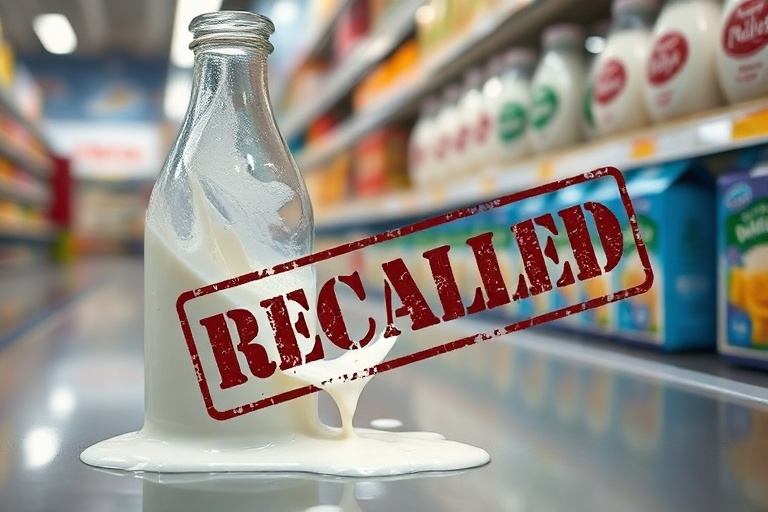
Salmonella Milk Recall: What You Need to Know About the Contamination
The U.S. dairy industry faces another high-profile recall after several major milk producers issued voluntary recalls due to potential Salmonella contamination. This isn’t an isolated incident—it’s part of a growing pattern of food safety concerns affecting dairy products nationwide. With millions of gallons of milk pulled from shelves, consumers are left wondering about the risks, the regulatory response, and how to protect themselves.
The recalls began when state health departments detected Salmonella in routine testing of raw milk at processing facilities. The bacteria, which can cause severe gastrointestinal illness, were traced back to specific batches distributed across multiple states. While pasteurization typically kills Salmonella, the contamination likely occurred post-processing, highlighting vulnerabilities in dairy supply chains.
How the Recall Unfolded: A Timeline of Events
The first public alert came on June 12, 2024, when the U.S. Food and Drug Administration (FDA) issued a preliminary warning after receiving reports of illnesses linked to milk from three dairy farms in Wisconsin and Minnesota. By June 15, the FDA confirmed the presence of Salmonella Typhimurium in environmental samples collected from processing plants.
The affected brands, including Great Lakes Dairy and Northern Plains Milk Co., voluntarily recalled all products dating back to May 1, 2024. The recall expanded rapidly as additional states reported positive test results. Here’s a breakdown of the key milestones:
- June 10: Routine testing by Minnesota Department of Agriculture detects Salmonella in raw milk samples.
- June 12: FDA issues a Class II recall (potential for temporary or reversible health effects).
- June 15: Wisconsin Department of Health confirms 12 cases of Salmonella linked to milk consumption.
- June 18: Additional brands in Iowa and Illinois join the recall after trace-back investigations.
- June 20: FDA releases a statement urging consumers to discard recalled products immediately.
The speed of the recall has drawn both praise and criticism. Public health experts commend the proactive response of state and federal agencies, while industry watchdogs question why the contamination wasn’t detected sooner. The delay between initial testing and public notification raises concerns about the effectiveness of current monitoring systems.
Health Risks and Symptoms: What Consumers Should Watch For
Salmonella infections can range from mild to severe, with symptoms appearing within 6 hours to 6 days after exposure. The most common signs include:
- Diarrhea (sometimes bloody)
- Fever and chills
- Abdominal cramps
- Nausea and vomiting
- Headaches and muscle aches
While most people recover within 4 to 7 days without treatment, vulnerable populations—such as children under 5, adults over 65, and immunocompromised individuals—are at higher risk for complications. In rare cases, Salmonella can lead to hospitalization or long-term health issues like reactive arthritis.
Health officials emphasize that pasteurized milk is generally safe, as the heating process kills harmful bacteria. However, the recall specifically targets products that may have been contaminated after pasteurization, likely due to poor sanitation in processing facilities or cross-contamination with raw milk. Consumers are advised to check their refrigerators and discard any recalled items immediately.
The Regulatory Response: Are Current Safeguards Enough?
The FDA and USDA have faced scrutiny over their oversight of dairy safety in recent years. Critics argue that insufficient funding and outdated inspection protocols leave gaps in the system. In response to this recall, the FDA announced plans to increase unannounced inspections of dairy processing plants and implement stricter testing requirements for Salmonella and other pathogens.
Industry representatives, however, push back against calls for stricter regulations. The International Dairy Foods Association (IDFA) released a statement emphasizing that dairy is one of the most regulated food sectors in the U.S. They highlight that the current recall is an anomaly rather than evidence of systemic failure. Still, the IDFA has pledged to work with regulators to enhance safety measures.
One area of focus is the rise of raw milk sales, which have grown in popularity despite health warnings. Some states have loosened restrictions on raw milk, allowing it to be sold in retail stores or through cow-share programs. Health experts warn that unpasteurized milk poses a higher risk of Salmonella and other pathogens, especially for children and pregnant women.
What’s Next: Rebuilding Consumer Trust
The dairy industry is no stranger to recalls, but the frequency of recent incidents has eroded public confidence. A 2023 survey by the Consumer Reports National Research Center found that 34% of Americans now avoid dairy products due to food safety concerns. Rebuilding trust will require transparency, accountability, and tangible improvements in safety protocols.
For now, consumers can take steps to protect themselves by:
- Checking the FDA’s recall database before purchasing milk.
- Following proper storage guidelines to prevent bacterial growth.
- Opting for pasteurized dairy products whenever possible.
- Reporting any symptoms of Salmonella infection to their local health department.
The long-term impact of this recall remains uncertain, but one thing is clear: the dairy industry must address systemic weaknesses to prevent future outbreaks. As federal and state agencies review their policies, consumers will be watching closely to see if lessons are truly learned.
A Final Thought
Food safety isn’t just about reacting to crises—it’s about preventing them. This recall serves as a reminder that even in a highly regulated industry, gaps can emerge. The question now is whether the system will adapt quickly enough to meet the challenges of a rapidly changing food landscape.