salvador
Salvador: A City of Contrasts and Cultural Depth
Salvador, Brazil’s third-largest city, sits on the eastern coast with a skyline punctuated by colonial architecture and the rhythmic pulse of Afro-Brazilian culture. Founded in 1549, it is one of the oldest cities in the Americas, a fact reflected in its UNESCO-listed Pelourinho district, where cobblestone streets wind past pastel-colored buildings adorned with ornate Baroque facades. Yet beyond its historical significance, Salvador thrives as a living museum of traditions, music, and resilience. The city’s identity is deeply intertwined with its African roots, a legacy of the transatlantic slave trade that shaped its social fabric.
What sets Salvador apart is its unapologetic embrace of contrast. The gleaming high-rises of modern Barra district contrast sharply with the weathered facades of the historic center. The city’s economy, once driven by sugar and tobacco, now pivots toward tourism and technology, yet its soul remains anchored in Candomblé ceremonies, capoeira circles, and the infectious energy of its festivals. For visitors, Salvador offers more than postcard-perfect beaches; it delivers an immersive experience where history, spirituality, and modernity collide.
The Historical Layers of Salvador
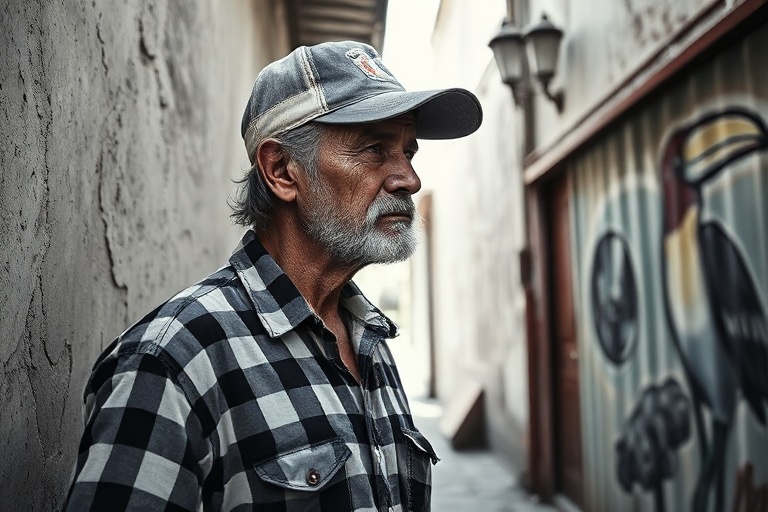
Salvador’s story begins with Portuguese colonization, but its narrative is far from one-dimensional. The city was the first capital of colonial Brazil, a strategic port for the export of sugar and gold. Its port, Porto da Barra, witnessed the arrival of enslaved Africans, whose descendants would later shape the city’s cultural identity. The Pelourinho district, named after the whipping post used during colonial rule, now stands as a symbol of resilience. Here, 17th- and 18th-century churches like São Francisco, with its gold-leaf interiors, compete for attention with the vibrant street art that adorns colonial walls.
Yet Salvador’s history is not confined to its colonial past. The 20th century brought waves of migration, industrialization, and social upheaval. The city became a hub for Afro-Brazilian activism, particularly during the dictatorship era, when artists and intellectuals used music and literature to challenge oppression. Today, institutions like the Museu Afro-Brasileiro preserve this legacy, showcasing artifacts, photographs, and oral histories that trace the African diaspora in Brazil.
The Cultural Tapestry of Salvador
Few cities in the world wear their culture so visibly as Salvador. The heartbeat of the city is its music, from the hypnotic rhythms of samba-reggae to the martial-arts-meets-dance spectacle of capoeira. Olodum, the legendary percussion group, put Salvador on the global map with their collaborations on tracks like Paul Simon’s “The Rhythm of the Saints.” The city’s annual Carnaval, the largest street party in the world, draws millions who come to experience the trios elétricos—mobile sound trucks blasting axé music—amid a sea of sequined dancers and revelers.
Food is another cornerstone of Salvador’s cultural identity. The city’s cuisine is a fusion of African, Indigenous, and Portuguese influences, with dishes like moqueca—a rich seafood stew cooked in coconut milk and dendê oil—served alongside acarajé, deep-fried black-eyed pea fritters stuffed with shrimp and spicy sauce. These flavors are not just meals; they are edible histories, passed down through generations. The Mercado Modelo, a historic market near the port, is a must-visit for those seeking to taste and purchase local crafts, from intricate beadwork to handwoven textiles.
Religion, too, plays a central role. Candomblé, a syncretic faith blending Yoruba traditions with Catholicism, is practiced openly in Salvador. Temples like the Terreiro do Gantois and Casa Branca are spiritual centers where drumming, dance, and offerings to orixás (deities) create an atmosphere of reverence and mystery. For outsiders, witnessing a Candomblé ceremony is a profound reminder of the city’s spiritual depth, where the sacred and the everyday coexist seamlessly.
The Modern Face of Salvador
In recent decades, Salvador has undergone a transformation that balances preservation with progress. The city’s economy, once reliant on sugar and cocoa, has diversified into sectors like IT, renewable energy, and medical research. The Porto Digital, a technology hub in the historic center, incubates startups and attracts tech talent, while the nearby city of Camaçari hosts one of Latin America’s largest petrochemical complexes. This economic shift has brought new challenges, including income inequality and gentrification pressures in historic neighborhoods.
The city’s infrastructure has also evolved. The Salvador Metro, inaugurated in 2014, connects key districts like Barra and the airport, easing congestion in a city known for its chaotic traffic. Meanwhile, efforts to revitalize the waterfront—such as the renovation of the Farol da Barra lighthouse and the development of green spaces—aim to make the coast more accessible to residents and tourists alike. Yet challenges remain. Like many coastal cities, Salvador grapples with environmental threats, from rising sea levels to pollution in Baía de Todos os Santos, which requires ongoing conservation efforts.
Tourism remains a vital industry, with visitors flocking to Salvador for its beaches, culture, and festivals. The city’s LGBTQ+ community has also found a welcoming home, with events like the annual Salvador Pride drawing thousands. However, the tourism sector faces scrutiny over issues like overtourism in certain areas and the need for sustainable practices. Local guides and community leaders emphasize the importance of responsible tourism, encouraging visitors to support local businesses and engage with the city’s cultural heritage respectfully.
Why Salvador Matters Today
Salvador is more than a destination; it is a testament to the power of cultural preservation in the face of globalization. Its story is one of survival, creativity, and reinvention, where the past is not buried but celebrated. The city’s ability to maintain its Afro-Brazilian identity while embracing modernity offers lessons for other urban centers struggling with similar tensions. For artists, historians, and travelers alike, Salvador is a place where history is not static but alive, where every street corner hums with a story waiting to be told.
As Brazil continues to navigate its complex social and economic landscape, cities like Salvador serve as reminders of the country’s diversity and resilience. Whether through its music, its food, or its people, Salvador invites visitors to look beyond the stereotypes and engage with a city that refuses to be defined by a single narrative. In a world where homogenization often overshadows heritage, Salvador stands as a vibrant counterpoint—a place where tradition and innovation dance in step.
Final Thoughts
Salvador’s magic lies in its contradictions. It is a city where colonial grandeur coexists with Afro-Brazilian vibrancy, where economic growth clashes with social inequality, and where the past is both a burden and a badge of honor. For those willing to explore beyond the surface, it offers a depth of experience that few places can match. As the city continues to evolve, its greatest strength may well be its ability to hold onto its soul while reaching for the future.
Whether you’re drawn by the allure of Carnival, the call of its beaches, or the curiosity of its history, Salvador promises an experience that lingers long after the trip ends. It is a city that doesn’t just welcome visitors—it invites them to become part of its story.