salvador
Salvador, Brazil’s vibrant third-largest city, pulses with energy unlike any other urban landscape in the Americas. Perched on the country’s northeastern coast, it blends colonial grandeur with Afro-Brazilian dynamism, creating a cultural mosaic that has shaped Brazil’s national identity. Beyond its postcard-perfect beaches and UNESCO-listed historic center, Salvador offers a living museum of traditions, struggles, and unyielding creativity.
The Heartbeat of Afro-Brazilian Culture
Salvador is often called the “capital of happiness,” a nickname rooted in its people’s warmth and its deep connection to African heritage. Over 80% of the city’s population identifies as Black or of African descent, a legacy of the transatlantic slave trade that once made Brazil the largest recipient of enslaved Africans in the world. Today, that history manifests in music, religion, food, and festivals that define Salvador’s soul.
The city is the birthplace of capoeira, the martial art disguised as dance, developed by enslaved Africans as a form of resistance and cultural preservation. The berimbau’s haunting strings still echo through Pelourinho, the cobblestone heart of the historic center, where capoeira circles form under flickering gas lamps at dusk. Meanwhile, Candomblé, the Afro-Brazilian spiritual tradition, thrives in terreiros (temples) scattered across the city, blending Yoruba deities with Catholic saints in rituals that draw both devotees and curious visitors.
Salvador’s music scene is equally legendary. The city gave birth to axé, a high-energy genre that blends samba, reggae, and funk, and is the driving force behind Carnival in Salvador—the largest street party in the world. Bands like Ivete Sangalo and Chiclete com Banana have turned the city’s trios elétricos (mobile sound trucks) into global symbols of joy. Even outside Carnival, the beat of Salvador is unmistakable, pulsing from outdoor stages in Pelourinho and along the beachfront at Barra.
Architectural Splendor and Urban Challenges
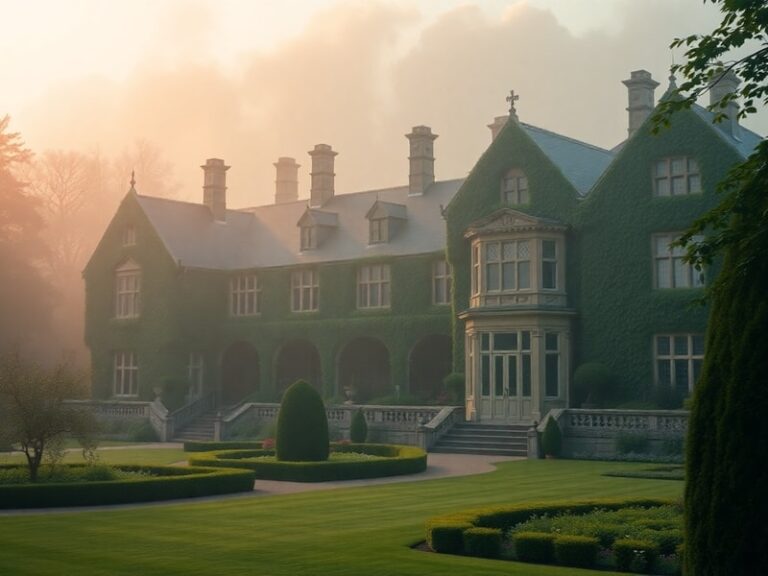
Salvador’s historic center, Pelourinho, is a UNESCO World Heritage Site, its colorful colonial buildings a testament to the city’s 16th-century origins as the first capital of Portuguese Brazil. The pastel facades of 17th- and 18th-century mansions, once home to sugar barons and slave traders, now house art galleries, boutique hotels, and cafes. The São Francisco Church, with its gilded interior and azulejo tiles, is a masterpiece of Baroque art, while the Lacerda Elevator connects the upper city to the lower, offering panoramic views of the Todos os Santos Bay.
Yet beneath this postcard beauty lies a city of stark contrasts. While Pelourinho gleams under restoration efforts, neighborhoods like Liberdade and Itapuã struggle with poverty, violence, and inadequate infrastructure. Salvador has one of the highest homicide rates in Brazil, a symptom of deep-rooted social inequality. The city’s economic divide is visible in the gated communities of Barra and the crowded favelas clinging to the hillsides, where access to basic services remains a daily battle.
The city’s government has attempted to address these challenges through urban renewal projects, such as the revitalization of the dock area into a cultural and commercial hub. However, critics argue that such efforts often prioritize tourism and aesthetics over the needs of residents. The tension between preservation and progress is palpable, raising questions about who Salvador’s heritage truly serves.
Culinary Traditions: A Feast for the Senses
No visit to Salvador is complete without indulging in its cuisine, a flavorful fusion of African, Indigenous, and Portuguese influences. The city is the birthplace of moqueca, a rich seafood stew slow-cooked in clay pots with dendê oil, coconut milk, and fiery malagueta peppers. This dish, along with acarajé—a deep-fried black-eyed pea fritter stuffed with shrimp and spicy paste—is a staple of Bahian food culture.
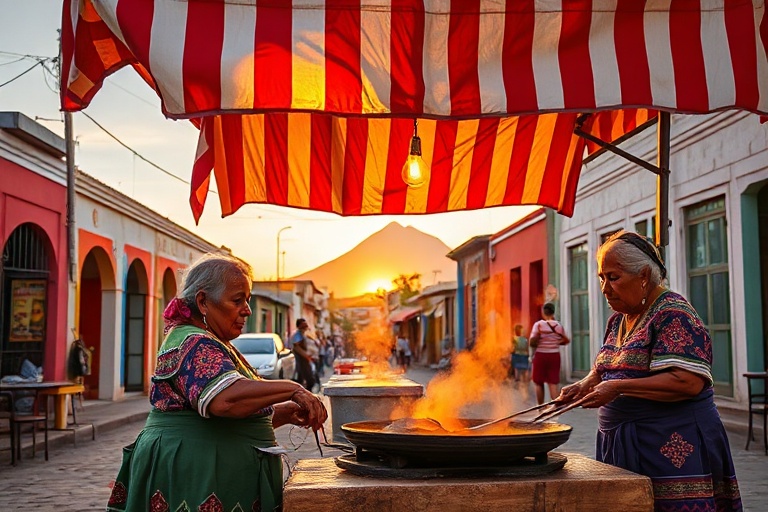
Acarajé, in particular, tells a story of survival and ingenuity. Originating as a sacred food in Candomblé rituals, it was adapted by enslaved women who sold it in the streets as a means of economic independence. Today, baianas de acarajé (women in traditional white lace dresses and turbans) still fry the fritters on street corners, their stalls a living link to the city’s past.
Other must-try dishes include:
- Bobó de camarão: A creamy shrimp stew thickened with cassava paste and coconut milk.
- Cocada: Sweet coconut candy, often flavored with ginger or pineapple.
- Farofa: Toasted cassava flour, a crunchy accompaniment to grilled meats.
- Caipirinha de caju: A fiery cocktail made with cashew fruit, a nod to the region’s agricultural bounty.
The city’s food markets, like Mercado Modelo, offer a sensory overload of sights, smells, and tastes, where vendors hawk everything from fresh tropical fruits to handmade crafts. Dining in Salvador is not just about eating—it’s an immersion into a culture that celebrates resilience through flavor.
The Future of Salvador: Between Tradition and Transformation
Salvador stands at a crossroads. Its cultural wealth is undeniable, but so are its challenges. The city’s identity is inextricably tied to its African roots, yet it must navigate a rapidly changing world where globalization threatens to dilute local traditions. Efforts to promote sustainable tourism, such as the “Salvador Card,” aim to balance economic growth with cultural preservation, but the road ahead is complex.
One promising development is the rise of community-led tourism initiatives, which empower local guides and entrepreneurs to share their city’s stories authentically. Projects like the “Afro-Brazilian Heritage Route” highlight the contributions of Black Brazilians to the nation’s history, challenging the sanitized narratives often presented in mainstream tourism.
Salvador’s youth are also redefining the city’s future. Artists, musicians, and activists are using social media to amplify marginalized voices, from LGBTQ+ communities to Black feminists reclaiming space in the city’s cultural scene. The annual Festa Junina and Lavagem do Bonfim festivals, once traditional Catholic events, now reflect this diversity, blending old rituals with new expressions of identity.
For visitors, Salvador offers an opportunity to witness a city where history is not confined to museums but lived in the streets, where every corner hums with music, and where the past and present collide in vibrant color. For residents, it remains a place of pride, struggle, and unshakable creativity—a city that refuses to be defined by anyone but itself.
Key Takeaways for Travelers and Observers
- Cultural Immersion: Salvador’s Afro-Brazilian heritage is its defining feature. Seek out Candomblé terreiros, capoeira rodas, and axé performances to experience the city’s soul.
- Historical Depth: Pelourinho is more than a tourist attraction—it’s a living archive of Brazil’s colonial past and its complex relationship with slavery.
- Culinary Exploration: From street food to fine dining, Salvador’s cuisine tells a story of resilience and creativity. Don’t leave without trying a moqueca or an acarajé.
- Social Awareness: The city’s inequalities are visible but often overlooked. Support local businesses and community initiatives that prioritize equitable growth.
- Sustainable Tourism: Choose responsible operators and accommodations that contribute to Salvador’s long-term preservation rather than short-term gains.
Salvador is not just a destination; it’s an experience that challenges visitors to confront Brazil’s past while celebrating its future. In a world where cities often homogenize under the weight of global capital, Salvador stands defiantly as a testament to the power of culture to shape identity, resist erasure, and inspire change.
For more on Brazil’s cultural landscapes, explore Travel and Culture on Dave’s Locker.