São Paulo, Brazil’s largest city, stands as a testament to the country’s dynamism and diversity. With a population exceeding 12 million in the city proper and over 22 million in the greater metropolitan area, it is the most populous city in the Southern Hemisphere. This urban colossus is not just a financial hub but a melting pot of cultures, cuisines, and creativity, making it one of the most influential cities in Latin America.
From its towering skyline to its bustling streets, São Paulo is a city of contrasts. It balances opulence with inequality, modernity with tradition, and global ambition with local authenticity. This article explores the multifaceted identity of São Paulo, examining its economic significance, cultural richness, and the challenges it faces in maintaining its status as Brazil’s unrivaled powerhouse.
The Economic Engine of Brazil
São Paulo is the economic heartbeat of Brazil. The city generates approximately 10% of the country’s GDP, driven by industries ranging from finance and technology to manufacturing and services. The Business sector in São Paulo is particularly robust, with the city hosting the headquarters of major Brazilian corporations like Petrobras, Vale, and Bradesco. The B3 (Brasil Bolsa Balcão), Latin America’s largest stock exchange, is also headquartered here, solidifying the city’s role as the financial capital of the region.
The city’s economic landscape is further bolstered by its port, the Port of Santos, which is the busiest in Latin America. This strategic advantage facilitates significant trade, connecting São Paulo to global markets. Additionally, São Paulo’s innovation ecosystem is thriving, with a growing number of startups and tech companies setting up shop in areas like Vila Olímpia and the 23 de Maio corridor. The city’s commitment to fostering entrepreneurship is evident in initiatives like the São Paulo Tech Week and the presence of renowned business incubators.
However, São Paulo’s economic prowess is not without its challenges. The city grapples with high levels of income inequality, with stark disparities between the wealthy neighborhoods like Jardins and the impoverished peripheries. The cost of living in São Paulo is among the highest in Brazil, which can be a barrier for many residents. Addressing these issues is critical for ensuring sustainable economic growth and social cohesion.
A Cultural Kaleidoscope
São Paulo is a city where culture is not just celebrated but lived. Its streets are a canvas for artistic expression, its museums house world-class collections, and its culinary scene is a global phenomenon. The city’s cultural diversity is a reflection of its history as a gateway for immigrants from around the world, including Italians, Japanese, Lebanese, and Africans, each contributing to the city’s rich tapestry.
The Entertainment and arts scene in São Paulo is unparalleled. The São Paulo Museum of Art (MASP) is a landmark, known for its suspended design and extensive collection of European and Brazilian art. The city is also home to the Latin America Memorial, a cultural complex dedicated to the history and identity of the continent. For music lovers, the Sala São Paulo concert hall is a must-visit, renowned for its acoustics and the performances of the São Paulo State Symphony Orchestra.
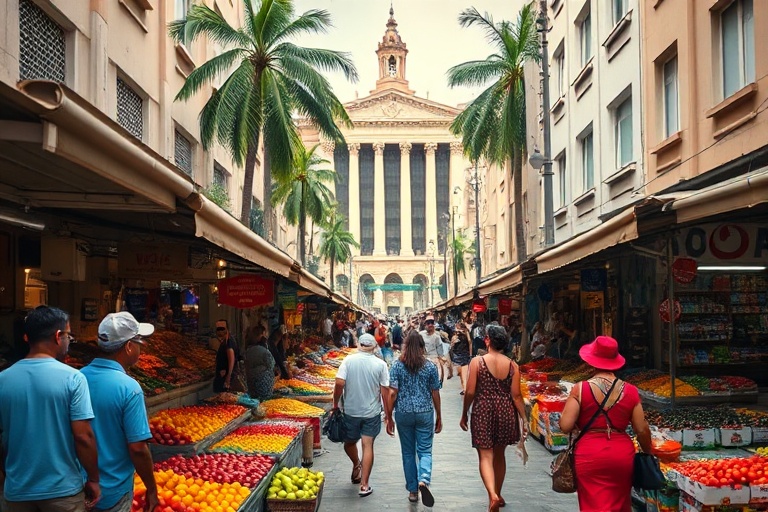
São Paulo’s culinary scene is another jewel in its cultural crown. The city boasts over 12,000 restaurants, offering everything from traditional Brazilian feijoada to innovative fusion cuisine. The Mercado Municipal, or Municipal Market, is a food lover’s paradise, famous for its mortadella sandwiches and exotic fruits. The city’s Japanese community has also left a significant mark, with Liberdade being one of the largest Japanese neighborhoods outside of Japan, offering authentic sushi and ramen.
Festivals and events are a cornerstone of São Paulo’s cultural calendar. The São Paulo Fashion Week is one of the most important events in the global fashion industry, showcasing the work of both established designers and emerging talent. The Carnival of São Paulo, while not as famous as Rio’s, is a vibrant celebration of samba and street parties, drawing thousands of participants. These events not only entertain but also foster a sense of community and pride among residents.
The Urban Landscape: A Study in Contrasts
The physical landscape of São Paulo is a study in contrasts. The city’s skyline is dominated by skyscrapers, including the iconic Edifício Copan, designed by Oscar Niemeyer, and the towering Mirante do Vale. These modern structures stand in stark contrast to the historic buildings in neighborhoods like Centro, where colonial architecture tells the story of the city’s past.
Public spaces in São Paulo are as diverse as the city itself. Ibirapuera Park, often referred to as the “Central Park” of São Paulo, is a sprawling green oasis that offers a respite from the urban hustle. The park is home to several museums, including the Afro Brazil Museum and the Museum of Modern Art, as well as a planetarium and an auditorium. In contrast, Avenida Paulista, the city’s most famous thoroughfare, is a bustling thoroughfare lined with shops, restaurants, and cultural institutions.
However, São Paulo’s urban environment is not without its challenges. The city’s rapid growth has led to issues such as traffic congestion, air pollution, and a lack of affordable housing. Efforts to address these problems are ongoing, with initiatives like the expansion of the metro system and the promotion of cycling infrastructure. The city’s commitment to sustainability is evident in projects like the Green and Blue Exchange Program, which aims to reduce waste and promote recycling.
Challenges and the Path Forward
Despite its many strengths, São Paulo faces significant challenges. The city’s infrastructure is under strain, with public transportation struggling to keep pace with the growing population. The metro system, while extensive, is often overcrowded, and bus services can be unreliable. The city’s traffic congestion is among the worst in the world, costing the local economy billions of dollars annually in lost productivity and increased pollution.
Social inequality remains a pressing issue. The gap between the rich and the poor is stark, with many residents living in informal settlements, known as favelas, that lack basic services like sanitation and healthcare. While efforts have been made to improve conditions in these communities, progress has been slow. The COVID-19 pandemic further exacerbated these inequalities, highlighting the need for more inclusive urban policies.
Environmental sustainability is another critical area of focus. São Paulo is one of the most polluted cities in the world, with air quality often exceeding safe levels. The city’s green spaces, while extensive, are unevenly distributed, with wealthier neighborhoods enjoying more access to parks and recreational areas. Initiatives like the expansion of the city’s green belt and the promotion of electric public transportation are steps in the right direction, but more needs to be done to ensure a sustainable future for São Paulo.
Opportunities for Growth and Innovation
Despite these challenges, São Paulo is poised for continued growth and innovation. The city’s young and diverse population is a driving force behind its dynamism, with a vibrant startup ecosystem and a thriving arts and culture scene. The government’s commitment to sustainability and social inclusion is also encouraging, with projects like the São Paulo 2040 Plan aiming to transform the city into a more equitable and environmentally friendly metropolis.
The city’s role as a global player is also evolving. São Paulo is increasingly seen as a hub for innovation in Latin America, with a growing number of multinational corporations establishing research and development centers in the city. The São Paulo Innovation Week and other initiatives are fostering collaboration between academia, industry, and government, positioning the city as a leader in technological advancement.
For residents and visitors alike, São Paulo offers a unique blend of opportunity and challenge. It is a city where dreams are pursued and where the future is being written every day. Whether it’s through its economic vitality, cultural richness, or relentless energy, São Paulo continues to captivate and inspire, proving that it is more than just a city—it is a living, breathing entity that embodies the spirit of Brazil.
The journey of São Paulo is far from over. As the city navigates the complexities of urbanization, inequality, and sustainability, it remains a beacon of resilience and innovation. For those who call it home, São Paulo is not just a place to live but a force that shapes lives, cultures, and economies. In a world of constant change, São Paulo stands as a testament to the power of human ingenuity and the enduring spirit of progress.