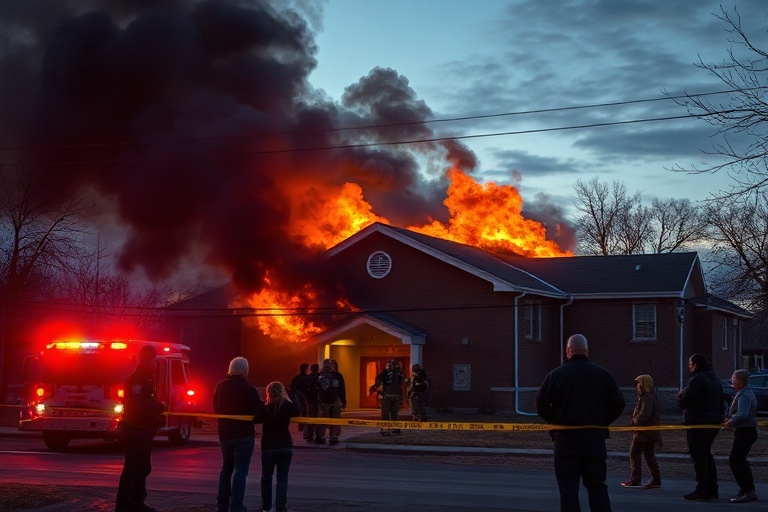
Every year, school fires disrupt education, endanger lives, and destroy property. While these incidents are less frequent than residential fires, their impact on students, teachers, and communities can be profound. Understanding the causes, prevention strategies, and emergency response protocols is essential for school administrators, staff, and parents alike.
The National Fire Protection Association reports that from 2017 to 2021, U.S. school buildings experienced an average of 3,500 fires annually, resulting in over $75 million in property damage. Cooking equipment remains the leading cause, followed by heating systems and electrical malfunctions. The presence of young children and adolescents—who may not react quickly in emergencies—heightens the stakes. Schools must therefore prioritize fire safety as a core operational responsibility.
Common Causes of School Fires
Fires in educational settings often originate from preventable sources. Cooking areas in cafeterias and staff lounges are frequent ignition points, especially when appliances are left unattended or cleaned improperly. Faulty wiring, overloaded circuits, and outdated electrical systems also pose significant risks, particularly in older buildings. Portable heating devices, such as space heaters, are another common culprit, especially during colder months.
Intentional fires—often set by students—account for a smaller but persistent share of incidents. According to the U.S. Fire Administration, juveniles are responsible for nearly 50% of intentionally set school fires. These acts may stem from vandalism, pranks, or emotional distress, underscoring the need for both security measures and mental health support in schools.
Less common but still noteworthy are fires caused by science experiments, art projects, or maintenance work. Improper storage of flammable materials, such as cleaning solvents or art supplies, can also lead to rapid fire spread if not managed carefully.
Prevention Strategies That Work
Effective fire prevention in schools begins with a comprehensive safety plan. Regular inspections by certified fire officials should be mandatory, focusing on electrical systems, fire alarms, and emergency exits. All staff members must receive annual fire safety training that includes evacuation drills, fire extinguisher use, and recognition of hazardous conditions.
Installing modern fire detection systems is non-negotiable. Photoelectric smoke alarms are particularly effective in detecting smoldering fires common in school settings. Sprinkler systems, though costly, significantly reduce property damage and save lives. According to the National Fire Protection Association, sprinklers reduce civilian deaths in school fires by 80% and property damage by 70%.
Administrators should also implement strict policies on kitchen safety. Staff should never leave cooking unattended, and all appliances must be cleaned regularly. Heating systems should be inspected before winter, and space heaters should be prohibited unless approved by facilities management. Additionally, schools should limit access to flammable storage areas and ensure hazardous materials are stored in fire-resistant cabinets.
Emergency Response: What Students and Staff Should Know
When a fire occurs, seconds count. Every school must have a clearly posted evacuation plan with designated meeting points. Students should know at least two ways to exit their classrooms, and drills should simulate real-world conditions, including blocked exits or smoke-filled hallways.
Teachers and staff play a critical role in emergency response. They must be trained to assist students with disabilities, account for everyone during evacuation, and avoid re-entering the building once outside. In some cases, staff may need to use fire extinguishers to contain small fires before first responders arrive—but only if it is safe to do so.
Communication is vital during a fire emergency. Schools should have a system to notify parents and guardians quickly, such as automated text alerts or a dedicated emergency hotline. Social media can also be used to provide updates, but only after official channels have confirmed safety.
Recovery and Rebuilding After a School Fire
The emotional toll of a school fire can linger long after the flames are extinguished. Students and teachers may experience anxiety, sleep disturbances, or post-traumatic stress, particularly if the fire was severe. Schools should provide counseling services and create spaces for students to process their feelings. Rebuilding trust in the school environment is just as important as repairing physical damage.
Financially, the recovery process can be daunting. Insurance policies may cover property damage, but delays in claims processing or disputes over liability can prolong the ordeal. Schools should work closely with local fire departments to document the incident thoroughly, as this can strengthen insurance claims and legal protections.
Temporary relocation is often necessary while repairs are made. Finding suitable alternative spaces—whether modular classrooms or shared facilities with other schools—requires careful planning. Administrators must also ensure that students continue to receive uninterrupted education, which may involve adjusting schedules or providing online learning options.
Lessons from Recent Incidents
Examining past school fires reveals patterns that schools can learn from. For example, a 2022 fire in a Pennsylvania high school started in a science lab due to improper storage of chemicals. The school lacked a dedicated fire safety officer, and the alarm system failed to alert the entire building. Fortunately, no one was injured, but the incident highlighted the need for stricter chemical management and redundant alarm systems.
In contrast, a 2023 fire in a California elementary school was contained quickly thanks to an updated sprinkler system and well-trained staff. The principal credited regular drills and a culture of safety for the smooth evacuation. These examples demonstrate that preparation and modern infrastructure make a measurable difference.
How Parents Can Advocate for Fire Safety
Parents are powerful advocates for school fire safety. They can start by asking administrators about the school’s emergency plans, including how often drills are conducted and whether fire alarms are tested monthly. They should also inquire about the age of the building’s electrical system and whether sprinklers are installed.
Parents can also support fire safety education at home. Teaching children about the dangers of playing with fire, the importance of reporting smoke or strange odors, and how to respond during an evacuation reinforces lessons learned at school. Community involvement, such as participating in school safety committees, can further strengthen these efforts.
If parents notice hazards—such as overloaded power strips in classrooms or blocked fire exits—they should report them immediately to the school principal and, if necessary, to local fire officials. Transparency and accountability are key to preventing future incidents.
Resources and Support for Schools
Schools don’t have to navigate fire safety alone. Several organizations offer guidance, training, and funding opportunities:
- National Fire Protection Association (NFPA): Provides free resources, including the “Learn Not to Burn” curriculum for students and guidelines for school fire safety assessments.
- U.S. Fire Administration (USFA): Offers research, case studies, and grant programs to help schools upgrade their fire protection systems.
- State Fire Marshal Offices: Many states conduct free school fire safety inspections and provide tailored recommendations based on local building codes.
- Insurance Providers: Some insurers offer discounts for schools that implement advanced fire prevention measures, such as sprinklers or automated external defibrillators (AEDs).
For schools looking to improve their safety protocols, starting with a fire safety audit is a practical first step. These audits can identify vulnerabilities and prioritize upgrades based on risk level.
Conclusion: A Shared Responsibility
School fires are rare but devastating events that require proactive prevention, meticulous planning, and swift recovery. While administrators and staff bear primary responsibility for safety, parents, students, and community members all play a role in creating a secure environment. By investing in modern fire detection systems, conducting regular training, and fostering a culture of vigilance, schools can minimize risks and ensure that education remains uninterrupted.
Fire safety is not just about compliance with regulations—it’s about protecting the future. Every student deserves to learn in a space where their safety is prioritized above all else. As communities reflect on past incidents and prepare for potential risks, collaboration between schools, first responders, and families will remain the cornerstone of effective fire safety.