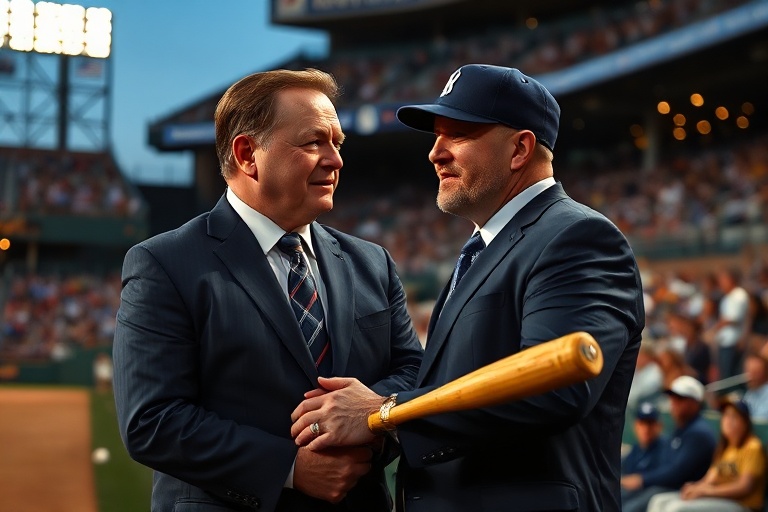
In the high-stakes world of professional sports, few figures command the same level of influence and controversy as Scott Boras. For over four decades, Boras has reshaped the landscape of baseball contracts, turning the art of negotiation into a science. His clients—elite players like Bryce Harper, Giancarlo Stanton, and Gerrit Cole—have collectively inked deals worth billions, often setting records in the process. Yet Boras remains a polarizing figure, admired for his strategic brilliance and scrutinized for his aggressive tactics.
The Early Years and Rise to Prominence
Born in Sacramento, California, in 1952, Boras grew up in a family deeply connected to baseball. His father, a minor league player, instilled in him a passion for the game. After playing briefly in the minor leagues himself, Boras shifted his focus to law, earning a Juris Doctor from the University of the Pacific. He initially worked as an antitrust lawyer before realizing his true calling lay in sports representation.
Boras launched his sports agency in 1982 with a single client: pitcher Danny Tartabull. The early years were modest, but Boras quickly distinguished himself by leveraging his legal expertise to challenge the reserve clause, a restrictive practice in baseball that bound players to their teams indefinitely. His groundbreaking negotiations helped pave the way for free agency, fundamentally altering the economics of the sport.
By the late 1990s, Boras had established himself as the go-to agent for baseball’s elite. His ability to secure lucrative contracts for clients like Greg Maddux and Kevin Brown cemented his reputation as a dealmaker without parallel. Boras’ client list grew exponentially, and his influence within the sport became impossible to ignore.
The Boras Method: Strategy and Tactics
What sets Boras apart is his meticulous preparation and unorthodox approach to negotiations. Unlike many agents who rely on relationships with team executives, Boras often enters talks with a confrontational style, forcing teams to compete for his clients. His strategies include:
- Leveraging the market: Boras meticulously researches every potential suitor, identifying teams with financial flexibility and a need for his client’s specific skills. He then orchestrates a bidding war, ensuring his client secures the best possible deal.
- Exploiting service time manipulation: Boras has been a vocal critic of the practice of delaying top prospects’ MLB debuts to extend their team control. His clients, such as Kris Bryant and Aaron Judge, have publicly challenged these tactics, amplifying the debate around service time manipulation.
- Public pressure campaigns: Boras doesn’t shy away from using the media to sway public opinion in his favor. His clients often make bold statements about their market value, pressuring teams to meet their demands.
- Long-term planning: Boras frequently negotiates contracts with opt-out clauses, allowing his clients to re-enter free agency if they outperform their deals. This strategy maximizes earning potential while minimizing risk.
Critics argue that Boras’ tactics contribute to the sport’s financial inequities, driving up player salaries while leaving smaller-market teams at a disadvantage. However, his detractors often overlook the fact that Boras’ clients are among the most talented players in the game. His role is, at its core, to advocate for their worth in a league where team owners have historically held most of the leverage.
Controversies and Criticisms
Boras’ career has not been without controversy. His aggressive negotiation style has earned him enemies among team executives, some of whom view him as a necessary evil in the modern game. One of the most contentious moments came in 2010 when Boras advised his client, Stephen Strasburg, to delay his MLB debut to secure a more lucrative contract. The decision drew widespread criticism, with some arguing that it prioritized money over the player’s development and the team’s success.
Another flashpoint occurred in 2018 when Bryce Harper signed a record-breaking $330 million deal with the Philadelphia Phillies. The contract, brokered by Boras, was the largest in MLB history at the time. While Harper’s talent justified the investment, the deal’s sheer size reignited debates about the sustainability of such contracts in a league where revenue sharing and salary caps are contentious topics.
Boras has also faced scrutiny for his role in the proliferation of long-term contracts for players in their 30s. Critics argue that these deals often backfire, leaving teams saddled with unproductive, high-salaried players. Boras, however, contends that these contracts reflect the modern reality of baseball, where players prioritize security and legacy over short-term earnings.
The Legacy and Future of Scott Boras
As Boras approaches his seventh decade, his influence shows no signs of waning. He remains one of the most sought-after agents in sports, with a client roster that includes generational talents like Shohei Ohtani and Yordan Alvarez. His ability to adapt to the evolving economics of baseball—from the rise of analytics to the growing importance of international markets—ensures his continued relevance.
Yet Boras’ legacy extends beyond contracts and dollars. He has played a pivotal role in shaping the modern athlete’s relationship with teams and fans. By empowering players to demand their fair share, he has helped redefine the power dynamics in professional sports. This shift has led to greater financial security for athletes but has also contributed to the financial stratification within the league.
Looking ahead, Boras’ greatest challenge may be navigating the potential changes to baseball’s economic structure. With discussions about a salary cap or revenue-sharing adjustments gaining traction, Boras will need to innovate once again to protect his clients’ interests. Whether through new negotiation tactics or advocacy for player rights, his impact on the game is far from over.
For fans and analysts alike, Boras remains a fascinating figure—a man who blends legal acumen, strategic brilliance, and a relentless drive to challenge the status quo. Love him or loathe him, his influence on baseball is undeniable, and his story is far from finished.
To explore more about the business side of baseball, check out our Sports category. For deeper insights into player contracts and negotiations, visit our Analysis section.