soldier
The Soldier: A Global Figure of Sacrifice, Strategy, and Symbolism
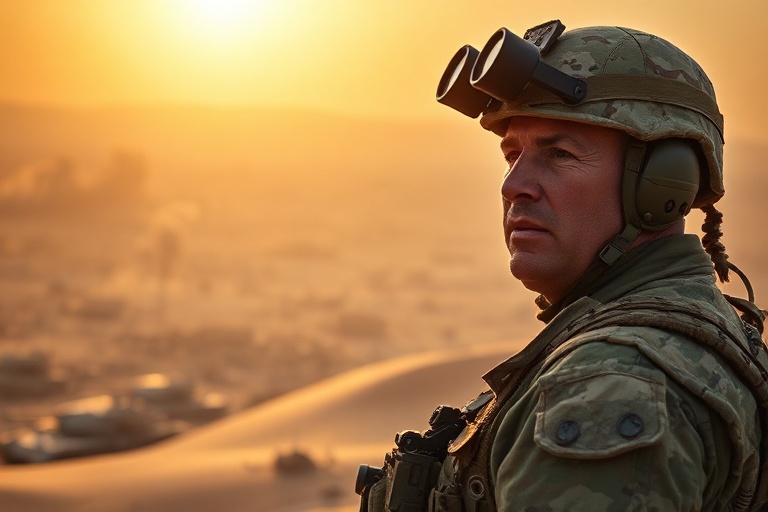
The soldier stands as one of humanity’s most enduring archetypes—a figure whose identity transcends borders, eras, and cultures. Whether depicted in ancient murals, wartime photographs, or modern video games, the soldier embodies discipline, duty, and often, the harsh realities of conflict. This role is not confined to any single nation or tradition; it is a universal construct shaped by history, politics, and collective memory. To understand the soldier is to examine the intersection of human behavior, institutional power, and the moral weight of violence in organized society.
From the samurai of feudal Japan to the conscripted infantry of World War II, the concept of the soldier has evolved alongside the technologies and ideologies that define warfare. Yet, beyond the battlefield, the soldier also functions as a cultural symbol—of patriotism, resilience, or sometimes, critique. In literature, film, and digital media, soldiers are portrayed with nuanced complexity, reflecting society’s evolving relationship with war, authority, and identity.
The Historical Evolution of the Soldier
The role of the soldier has transformed dramatically over millennia. In early civilizations, warfare was often a communal or ritualistic endeavor, with warriors serving as both protectors and symbols of tribal honor. The Roman legions, for instance, were not merely fighting forces but instruments of imperial expansion, statecraft, and cultural assimilation. Their discipline and engineering prowess set a standard for professional militaries that persisted for centuries.
By the Middle Ages, the concept of the soldier became more specialized. Knights in Europe, samurai in Japan, and janissaries in the Ottoman Empire represented elite warrior classes tied to feudal or imperial systems. Their status was often hereditary or earned through rigorous training, blending martial skill with social prestige. The rise of gunpowder and standing armies in the 17th and 18th centuries further redefined soldiering, shifting focus from individual prowess to coordinated tactics and mass mobilization.
World War I and World War II accelerated this transformation. The industrialization of war introduced trench warfare, aerial combat, and mechanized units, turning soldiers into cogs in vast military machines. The World Wars also brought conscription to many nations, democratizing the soldier’s identity while exposing its tragic consequences. By the late 20th century, the soldier had become a professionalized role, often detached from civilian life but deeply embedded in national security apparatuses.
Soldiers in Modern Culture: Heroes, Critics, and Icons
In contemporary media, the soldier occupies a paradoxical space—as both a hero and a subject of scrutiny. Films like Saving Private Ryan and Dunkirk depict the visceral brutality of war, humanizing soldiers whose experiences are marked by trauma and camaraderie. Meanwhile, works such as Full Metal Jacket and Apocalypse Now dissect the dehumanizing effects of military culture and the moral ambiguities of conflict.
Video games have further complicated the soldier’s image. Titles like Call of Duty and Battlefield often glorify combat, framing soldiers as virtuous protectors engaged in noble struggles. Conversely, games like Spec Ops: The Line and This War of Mine challenge this narrative, portraying soldiers as victims or perpetrators of systemic violence. This duality reflects broader societal debates about militarism, nationalism, and the ethics of warfare.
Literature also plays a pivotal role in shaping perceptions. Works such as All Quiet on the Western Front and The Things They Carried emphasize the psychological toll of soldiering, stripping away romanticized notions of heroism. These narratives underscore a universal truth: the soldier is, above all, a human being navigating extraordinary circumstances.
The Soldier in Global Contexts: Diverse Roles and Realities
The experience of being a soldier varies dramatically depending on geography, political structure, and historical moment. In some nations, military service is voluntary and tied to a sense of duty or adventure. In others, conscription remains a contentious but entrenched practice, shaping national identity and youth culture. For example, in Israel, mandatory military service for men and women is a rite of passage that influences social dynamics and political discourse. In contrast, countries like the United States and the United Kingdom rely on professional volunteer forces, where soldiers often view their service as a long-term career path.
Cultural attitudes toward soldiers also differ widely. In some societies, such as South Korea or Russia, soldiers are revered as defenders of the nation, with public ceremonies and media coverage reinforcing their heroic status. In others, like post-Vietnam War America or post-colonial Algeria, soldiers are viewed with skepticism or outright hostility, symbols of state violence or failed policies. These perspectives are often tied to collective memory—how a nation remembers its wars, victories, and traumas.
Technology has further diversified the soldier’s role. Modern militaries employ cyber soldiers, drone operators, and special forces trained for unconventional warfare. These roles blur the line between traditional soldiering and other forms of statecraft, raising questions about accountability, ethics, and the future of combat. The rise of private military companies, such as Academi (formerly Blackwater), has also complicated the soldier’s identity, introducing corporate interests into the realm of warfare.
The Soldier’s Legacy: Memory, Mourning, and Meaning
The legacy of soldiers is preserved not only in history books but in monuments, memorials, and annual observances. Armistice Day, Memorial Day, and ANZAC Day serve as collective moments of reflection, where nations honor those who served and consider the costs of war. These observances often highlight the tension between glorification and grief, as societies grapple with the moral complexities of military service.
Soldiers also leave behind personal legacies through letters, diaries, and oral histories. These firsthand accounts offer invaluable insights into the lived experience of war, humanizing abstract historical events. Organizations like the Veterans History Project in the United States work to preserve these narratives, ensuring that the voices of individual soldiers are not lost to time.
Yet, the soldier’s legacy is not static. As warfare evolves with advancements in artificial intelligence, biotechnology, and unmanned systems, the role of the soldier may continue to transform—or even diminish. Some futurists predict a decline in traditional soldiering, replaced by autonomous systems and remote-controlled warfare. Others argue that human soldiers will remain essential, particularly in roles requiring moral judgment, adaptability, and emotional resilience.
Conclusion: The Soldier as Mirror of Society
The soldier is more than a fighter or a symbol; it is a reflection of humanity’s highest ideals and deepest contradictions. Whether viewed through the lens of history, culture, or technology, the soldier embodies the intersection of individual agency and systemic power. In honoring soldiers, societies confront their own values, fears, and aspirations. As warfare continues to evolve, so too will the identity of the soldier—a figure whose story is far from over.
To explore how soldiers are portrayed in modern entertainment, visit our dedicated section for analyses of war narratives in film, literature, and games. For a deeper look at the historical and political dimensions of military service, browse our history archives, where soldiers’ roles are examined across cultures and epochs.