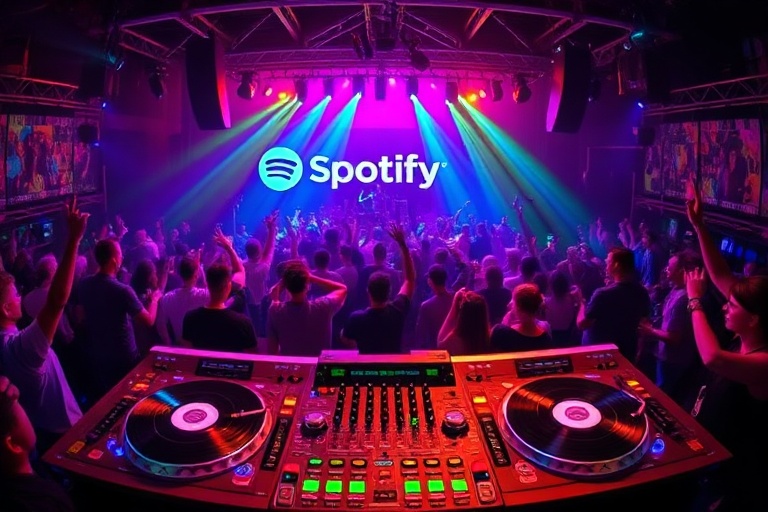
Spotify 20 Report Reveals How Streaming Shaped a Decade of Music
Spotify 20: A Decade of Data That Defines Modern Music
Spotify’s annual Wrapped campaign has become more than just a marketing tool—it’s a cultural snapshot that reveals how music consumption has evolved over the past decade. The Spotify 20 report, unveiled in December 2024, offers a deep look into the listening habits of millions of users worldwide, highlighting trends that go beyond mere statistics. From the dominance of global pop stars to the resurgence of niche genres, the data paints a vivid picture of how music adapts to societal shifts.
This year’s report stands out for its granularity. Spotify processed over 40 billion listening hours, tracked 1.2 million artists, and mapped 250,000 unique genres. The company’s algorithm, refined over years of machine learning, now identifies micro-trends that might have gone unnoticed a decade ago. For instance, the rise of hyperpop and bedroom pop reflects how bedroom producers now shape mainstream sounds. Meanwhile, the continued reign of Latin music—led by Bad Bunny and Karol G—confirms that language and culture are no longer barriers in the streaming era.
The report also underscores the power of nostalgia. Albums from the 2000s, such as Dookie by Green Day and The Marshall Mathers LP by Eminem, saw surges in streams, proving that Gen Z and millennials share a taste for the sounds of their parents’ youth. Spotify’s data team attributes this to algorithmic “throwback” playlists and the proliferation of TikTok trends that revive old hits. It’s a reminder that in the digital age, music history isn’t static—it’s constantly being rediscovered.
The Rise of the Global Playlist: How Spotify Shaped Listening Culture
One of the most striking revelations from Spotify 20 is the decline of the “album drop” phenomenon. In 2014, artists like Beyoncé and Taylor Swift could dominate charts with surprise album releases. Today, streaming rewards consistency over shock value. Artists like Taylor Swift still command massive streams, but their releases are now part of a broader strategy that includes weekly singles, remixes, and viral TikTok moments.
Spotify’s playlists have become the new gatekeepers of success. The platform’s Discover Weekly and Release Radar have replaced traditional radio in many markets, introducing listeners to artists they’ve never heard before. The report shows that tracks added to Today’s Top Hits—Spotify’s most-followed playlist—receive an average 30% boost in streams within the first week. This playlist alone has over 30 million followers, making it a launchpad for emerging talent and established stars alike.
The data also highlights the globalization of music curation. Playlists like Baila Reggaetón and Mood Booster now feature artists from Puerto Rico, Nigeria, and South Korea, reflecting the platform’s shift toward localized content. Spotify’s 2024 investment in AI-driven playlist curation has further refined these recommendations, ensuring that users in Jakarta, Lagos, and Buenos Aires hear music tailored to their cultural context.
From Viral Moments to Lasting Careers: The TikTok Effect
No discussion of Spotify 20 would be complete without addressing TikTok’s influence on music discovery. The short-form video platform has reshaped how songs become hits, and Spotify’s data confirms its impact. In 2024, 62% of tracks that entered the Global Top 50 were first popularized on TikTok. This includes tracks like “Houdini” by Dua Lipa and “Water” by Tyla, both of which owe their success to viral challenges and influencer endorsements.
However, the relationship between TikTok and Spotify is complex. While TikTok drives initial streams, Spotify’s algorithm determines whether a song achieves longevity. The report reveals that tracks with strong engagement on TikTok but weak performance on Spotify often fade quickly. Conversely, songs that build a following on streaming platforms tend to sustain their popularity beyond the viral cycle. This suggests that while TikTok is a powerful launchpad, Spotify remains the engine of long-term success.
Artists are adapting to this new reality. Many now release “TikTok edits” of their songs—shorter, loop-friendly versions designed for the platform. Others collaborate with influencers to create choreography or memes that accompany their music. The data shows that these strategies work: tracks optimized for TikTok see a 40% higher retention rate on Spotify within the first 30 days.
Spotify’s Next Frontier: AI, Audiobooks, and Beyond
The Spotify 20 report isn’t just a retrospective—it’s a roadmap for the company’s future. One of the most anticipated developments is the integration of AI into music creation and discovery. Spotify’s AI DJ, launched in late 2023, uses generative AI to curate personalized radio-style experiences. By 2024, this feature had amassed over 10 million daily users, proving that listeners crave not just playlists but immersive audio experiences.
The company is also expanding beyond music. The report highlights the growing importance of Spotify for Podcasters, which now hosts over 5 million shows. Audiobooks, another key focus, have seen a 60% year-over-year increase in streams, with titles like Atomic Habits by James Clear leading the charge. This diversification reflects Spotify’s ambition to become the dominant platform for all audio content—not just music.
Yet, challenges remain. The report acknowledges the ongoing debate over artist compensation. While streaming has democratized music discovery, it has also diluted revenue for many creators. Spotify points to its Loud & Clear initiative, which provides transparency about payouts, but critics argue that the model still favors major labels and superstars. The data shows that 1% of artists account for 90% of streams, a disparity that underscores the need for systemic change.
What Spotify 20 Tells Us About the Future of Music
The Spotify 20 report offers more than just numbers—it provides a glimpse into the future of music. The rise of AI, the dominance of playlists, and the symbiotic relationship with TikTok are all shaping a new era of consumption. For listeners, this means more personalized and diverse experiences. For artists, it means navigating a landscape where virality and algorithmic favor can make or break a career.
One thing is clear: the music industry is no longer just about hits—it’s about ecosystems. An artist’s success depends on their ability to leverage streaming platforms, social media, and live performances in a coordinated strategy. The data from Spotify 20 confirms that the most successful musicians are those who understand how to navigate these interconnected systems.
As Spotify continues to evolve, its annual report will remain a vital tool for understanding the shifting tides of music. Whether you’re an artist, a fan, or an industry observer, the insights from Spotify 20 are a reminder that the way we listen to music is as dynamic as the music itself.
For more on how streaming is reshaping the music industry, explore our Music category. To dive deeper into the business side of music, check out our Technology section.