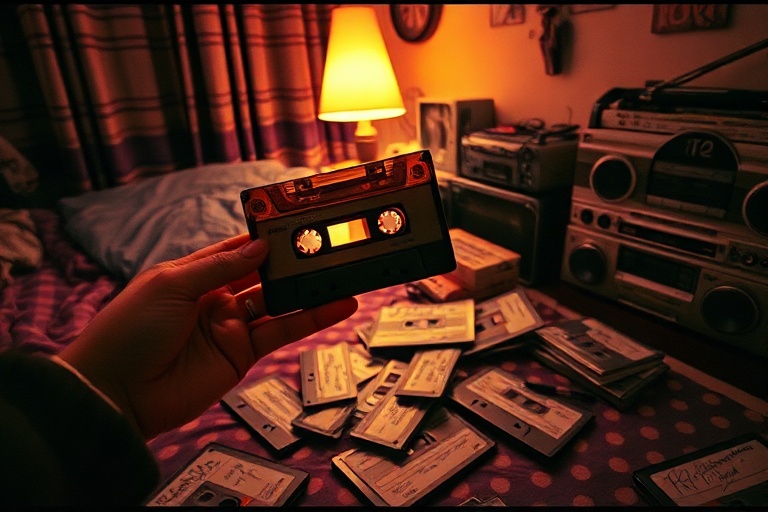
The Mixtape: From Cassette to Digital Culture
The mixtape has evolved from a humble cassette compilation to a digital format that continues to shape music culture. Born in the 1980s as a way for DJs and enthusiasts to share music, it became a personal statement—a curated collection of songs that reflected taste, mood, or a specific narrative. Though physical cassettes have largely faded, the concept persists in streaming playlists, digital downloads, and even vinyl compilations. Its legacy endures because it embodies the human desire to share stories through music.
The Origins of the Mixtape: More Than Just Music
The mixtape’s roots trace back to 1970s Jamaica, where DJs would record exclusive tracks onto cassette tapes to distribute to local sound systems. This practice spread to hip-hop culture in the 1980s, where artists like DJ Kool Herc and Afrika Bambaataa used mixtapes to showcase unreleased tracks, remixes, and live performances. These tapes weren’t just promotional tools; they were cultural artifacts that preserved underground music.
By the 1990s, mixtapes had become a staple in hip-hop, with rappers like Nas and Tupac Shakur releasing them to bypass traditional record labels. The format allowed artists to experiment, bypassing industry gatekeepers. For listeners, mixtapes offered something raw and unfiltered—music that felt personal and exclusive.
Why the Mixtape Mattered
The mixtape’s significance extended beyond music. It was a medium of self-expression, a way to tell a story through song selection. A lover’s mixtape could convey emotions words couldn’t. A protest mixtape could rally a movement. The format democratized music distribution, giving power to creators and listeners alike.
The Digital Transformation: How the Mixtape Adapted
The rise of the internet in the late 1990s and early 2000s threatened to render physical mixtapes obsolete. Napster and later peer-to-peer sharing platforms disrupted the traditional model, but they also accelerated the mixtape’s evolution. Artists began releasing digital mixtapes for free, using platforms like DatPiff and LiveMixtapes to reach global audiences instantly.
Streaming services like Spotify and Apple Music have since absorbed the mixtape’s spirit, allowing users to create and share playlists effortlessly. Yet, the essence remains: a curated collection of music that reflects an individual’s taste or a moment in time. The difference now is that these compilations can be updated in real time, shared with a click, and even algorithmically generated.
The Role of DJs and Curators Today
Despite the digital shift, DJs and curators still play a vital role in the mixtape ecosystem. Many modern DJs release digital mixtapes to showcase their skills, blending genres and eras. Others use the format to highlight emerging artists or underground scenes. The mixtape, in its digital form, remains a tool for discovery and community-building.
Some purists argue that the digital mixtape lacks the tactile charm of a physical cassette, but others see it as a more accessible and sustainable medium. The key difference is intent: while a physical mixtape was a tangible gift, a digital one is often a fleeting experience—shared and consumed instantly.
The Broader Implications: Mixtapes in Culture and Commerce
The mixtape’s influence extends beyond music. It has inspired other art forms, from film to literature, where creators compile works to tell a story. In gaming, for example, players share custom soundtracks for their favorite games, much like a mixtape. The format’s adaptability proves its enduring appeal.
Commercially, the mixtape has also shaped the music industry. Many artists who rose to fame through mixtapes—like Drake, Lil Wayne, and Nicki Minaj—leveraged the format to build fanbases before signing record deals. Labels now invest in mixtape campaigns, recognizing their power to generate buzz and test new material.
A Cultural Legacy
The mixtape’s legacy is one of rebellion, creativity, and connection. It challenged the status quo, giving artists and listeners a voice outside traditional systems. Today, while the physical cassette may be a relic, its spirit lives on in every playlist, every curated streaming session, and every shared link. The mixtape is no longer just a format—it’s a philosophy of music sharing.
For those who remember the crackle of a cassette or the thrill of receiving a handmade mixtape, the digital era offers a new kind of magic. For younger generations, it’s a chance to rediscover the art of curation in a world of endless choice.
Key Takeaways: The Mixtape’s Evolution and Impact
The mixtape’s journey from cassette to digital is a testament to its adaptability. Here are some of the most important aspects of its evolution:
- Origins in Underground Music: Mixtapes began as a way to share exclusive tracks in Jamaica and later became a hip-hop staple.
- Democratization of Music: The format allowed artists to bypass record labels and connect directly with fans.
- Digital Revolution: The internet transformed mixtapes into digital downloads and streaming playlists, making them more accessible.
- Cultural Influence: Mixtapes inspired other art forms and continue to shape how we discover and share music.
- Artist Discovery: Many successful artists launched their careers through mixtapes, proving their power as a promotional tool.
The mixtape’s story is one of resilience and reinvention. It has survived technological shifts and cultural changes, proving that its core idea—sharing music as a form of expression—is timeless.
Why the Mixtape Still Matters Today
In an era of algorithm-driven playlists and auto-generated recommendations, the mixtape represents something uniquely human: the act of choosing music with intention and care. Whether it’s a carefully crafted Spotify playlist or a vintage cassette passed down as a heirloom, the mixtape reminds us that music is more than just sound—it’s a way to connect, to remember, and to express who we are.
For artists, the mixtape remains a vital tool for experimentation and fan engagement. For listeners, it’s a way to rediscover the joy of curation in a world of endless options. The mixtape may have changed, but its soul remains unchanged: a celebration of music as a shared experience.
As technology continues to evolve, one thing is certain: the mixtape will keep adapting, finding new ways to bring people together through the universal language of music.
For more on music culture and trends, explore our Music and Entertainment sections at Dave’s Locker.