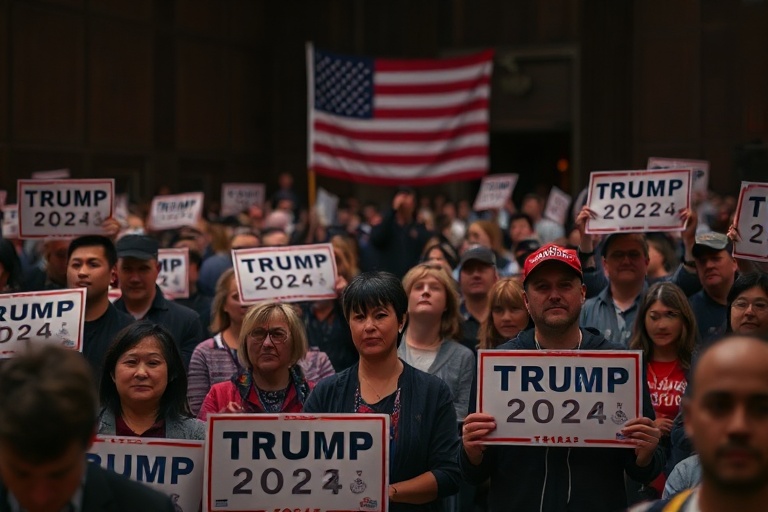
trump approval
The approval ratings for former President Donald Trump have remained a persistent topic in political discourse since he left office in January 2021. Unlike many of his predecessors, Trump’s influence on public opinion has not diminished over time. Instead, his approval ratings have fluctuated within a relatively narrow range, reflecting the deep divisions in American society. These numbers are not just statistical data points; they serve as a barometer for the nation’s political temperature.
Recent polling data from sources like Gallup, Pew Research Center, and YouGov consistently shows Trump maintaining a strong base of support among his core constituency. Yet, his overall approval ratings rarely climb above 45%, a ceiling that has persisted despite shifting national priorities. This phenomenon raises important questions about the nature of his political coalition and how it compares to broader trends in American politics.
The Current Landscape of Trump’s Approval Ratings
As of mid-2024, Trump’s approval ratings among registered voters hover around 43-46% in most national polls. This consistency is remarkable given the high-profile events and controversies that have marked his post-presidency. His numbers remain particularly resilient among Republicans, where his approval typically exceeds 85%. Among independents, however, his ratings are more volatile, often dipping below 40% during periods of intense scrutiny or legal challenges.
The RealClearPolitics average of polls shows Trump’s approval rating at 44.3% as of June 2024, while disapproval stands at 53.7%. These figures suggest a nation still deeply divided along partisan lines. What makes these numbers particularly noteworthy is their stability. Unlike other political figures who experience significant swings in public opinion, Trump’s approval ratings have demonstrated remarkable endurance.
Several factors contribute to this stability. First, Trump’s base remains fiercely loyal, often viewing him as a political outsider fighting against a corrupt establishment. Second, his unorthodox communication style—leveraging social media and direct messaging—has allowed him to bypass traditional media filters. Finally, the ongoing legal and political battles surrounding him have galvanized both his supporters and detractors, creating a feedback loop that reinforces existing opinions.
Comparing Trump’s Ratings to Historical Precedents
When examining Trump’s approval ratings in historical context, several patterns emerge. Most modern presidents experience significant fluctuations in their approval ratings during their first term, often tied to economic conditions, international events, or domestic crises. Trump, however, has bucked this trend. His ratings have remained remarkably consistent, even during periods of intense controversy.
Consider the following comparisons:
- First Year Approval: Trump’s initial approval rating of 45% in February 2017 was nearly identical to Barack Obama’s 46% at the same point in his presidency. However, Obama’s ratings steadily increased over time, while Trump’s remained flat.
- Second Term Dynamics: Unlike presidents like Bill Clinton or George W. Bush, who saw significant changes in approval during their second terms, Trump’s ratings have shown little variation despite impeachment proceedings and a global pandemic.
- Post-Presidency Resilience: Most former presidents see their approval ratings decline after leaving office. Trump, however, has maintained or even slightly increased his approval since January 2021, defying historical precedent.
Demographic Breakdowns: Who Still Supports Trump?
The composition of Trump’s approval ratings reveals important insights about his political coalition. While his support among white voters without a college degree remains strong, his appeal has expanded to include other demographic groups in recent years. This evolution reflects broader shifts in the American electorate.
According to Pew Research Center data from 2023:
- Gender: Trump’s approval among men consistently exceeds his support among women by 8-12 percentage points. This gender gap has persisted since the 2016 election.
- Age: His strongest support comes from voters aged 50 and older, where his approval rating often exceeds 50%. Among voters under 30, his approval typically hovers around 30%.
- Education: Voters with a high school diploma or less show the highest approval for Trump, at around 55%. College graduates, particularly those with advanced degrees, are far less likely to approve of him.
- Race and Ethnicity: Trump’s approval among white voters remains high at approximately 55%, while his support among Black and Hispanic voters is significantly lower, at around 10% and 30% respectively.
- Urban vs. Rural: Rural areas show the strongest support for Trump, with approval ratings often exceeding 55%. Urban centers, particularly large metropolitan areas, show much lower approval, frequently below 35%.
These demographic patterns highlight the geographic and cultural divisions that define Trump’s political base. His support is concentrated in rural areas and small towns, where traditional values and economic anxieties align closely with his policy priorities. Meanwhile, his struggles in urban centers reflect the cultural and economic differences that separate these communities from his core constituency.
The Impact of Legal and Political Battles on Trump’s Approval
One of the most significant factors influencing Trump’s approval ratings has been the series of legal challenges and political controversies he has faced since leaving office. These events have had a polarizing effect, energizing his base while simultaneously reinforcing opposition among his detractors.
Consider the following key events and their impact on public opinion:
- January 6th Capitol Riot (2021): Initial polls showed a sharp decline in Trump’s approval ratings following the riot, with some surveys showing a 5-point drop. However, this decline proved temporary as his base rallied around him.
- Mar-a-Lago Documents Investigation (2022-2023): Trump’s approval ratings remained stable during the investigation, suggesting that his supporters viewed the legal proceedings as politically motivated.
- Indictments and Criminal Cases (2023-2024): Despite multiple indictments, Trump’s approval ratings have shown little sustained decline. In fact, some polls indicate a slight increase in support among Republicans following his indictments.
- 2024 Election Campaign: Trump’s approval ratings have fluctuated within a narrow range during the 2024 campaign, with his rallies often drawing large crowds and generating significant media attention.
The resilience of Trump’s approval ratings in the face of these challenges suggests that his supporters view legal troubles as part of a broader political struggle rather than personal failings. This phenomenon reflects a growing trend in American politics where partisanship often trumps personal scandals or legal issues.
Looking Ahead: What Do Trump’s Approval Ratings Mean for 2024?
As the 2024 presidential election approaches, Trump’s approval ratings will play a crucial role in shaping the political landscape. His campaign has focused heavily on economic issues, immigration, and cultural grievances—areas where his policies and rhetoric resonate strongly with his base. Meanwhile, his opponents have sought to highlight his legal troubles and controversial statements, hoping to sway undecided voters.
Several key factors will influence Trump’s approval ratings in the coming months:
- Economic Conditions: The state of the economy remains a critical determinant of presidential approval. If inflation remains high or unemployment spikes, Trump’s approval ratings could suffer.
- Legal Developments: Any significant legal setbacks or convictions could sway independent voters, particularly those who view Trump’s legal troubles as evidence of wrongdoing.
- Opposition Strategy: The Biden campaign and Democratic strategists will need to craft a message that resonates with independent voters without alienating their own base.
- Third-Party Candidates: The presence of third-party candidates, such as Robert F. Kennedy Jr., could draw votes from both Trump and Biden, potentially reshaping the electoral map.
For Trump to secure victory in November, he will need to maintain his approval ratings among Republicans while making modest gains among independents. Polling suggests that his path to victory may depend on his ability to frame the election as a choice between himself and a “corrupt establishment,” a narrative that has resonated strongly with his base in the past.
Meanwhile, his opponents will likely focus on issues like abortion rights, healthcare, and democracy itself—areas where Trump’s rhetoric and policy positions have drawn significant criticism. The contrast between these campaigns will define the contours of the 2024 election and, by extension, the future of American politics.
Conclusion: The Enduring Influence of Trump’s Approval Ratings
Donald Trump’s approval ratings are more than just numbers on a pollster’s spreadsheet. They represent a fundamental divide in American society, one that transcends traditional political boundaries. His ability to maintain a consistent base of support despite numerous controversies and legal challenges speaks to the enduring power of his political brand.
As the 2024 election approaches, Trump’s approval ratings will continue to be a focal point of political analysis. Whether he ultimately secures a second term or remains a dominant force in the Republican Party, his influence on American politics is undeniable. For political observers, journalists, and voters alike, understanding the dynamics of Trump’s approval ratings offers valuable insights into the evolving nature of American democracy.
For further analysis of political trends, visit our News and Politics sections. These categories feature in-depth coverage of the issues shaping public opinion and the electoral landscape.