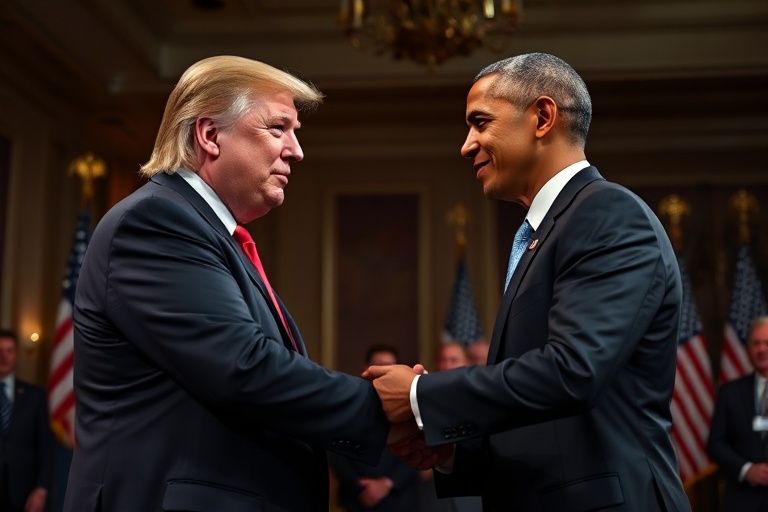
The presidencies of Donald Trump and Barack Obama represent two of the most consequential eras in modern American politics. Their contrasting approaches to governance, policy priorities, and public engagement have reshaped the nation’s trajectory in ways that continue to reverberate today. While Obama’s tenure emphasized diplomacy, institutional stability, and progressive reforms, Trump’s presidency prioritized disruption, populist rhetoric, and a challenge to established norms.
Examining their legacies reveals not just differences in policy but fundamental shifts in how leadership is perceived and executed in the 21st century. The consequences of their administrations extend beyond domestic policy, influencing global perceptions of the United States and setting the stage for the political climate that followed.
Policy Priorities: Divergent Visions for America
Obama’s presidency was defined by a focus on systemic reform and international cooperation. His signature achievements included the Affordable Care Act (ACA), which expanded healthcare access to millions, and the Paris Climate Agreement, which committed the U.S. to global environmental efforts. Domestically, his administration advanced LGBTQ+ rights through policies like the repeal of “Don’t Ask, Don’t Tell” and supported financial regulations such as the Dodd-Frank Act to prevent another economic crisis.
In contrast, Trump’s administration prioritized deregulation, tax cuts, and a reassertion of American sovereignty. Key initiatives included the Tax Cuts and Jobs Act of 2017, which reduced corporate and individual tax rates, and efforts to roll back environmental protections established under Obama. His “America First” foreign policy emphasized bilateral agreements over multilateral ones, withdrawing the U.S. from agreements like the Iran Nuclear Deal and the Trans-Pacific Partnership.
These differing approaches reflect broader ideological divides: Obama’s belief in institutional solutions and global engagement versus Trump’s skepticism of traditional governance and emphasis on nationalist priorities. The consequences of these choices continue to shape debates over the role of government and America’s place in the world.
The Tone and Style of Leadership
Obama’s leadership style was marked by measured rhetoric, intellectualism, and an appeal to unity. His speeches often referenced historical figures and emphasized common values, aiming to bridge divides in a polarized nation. This approach resonated with many Americans but also drew criticism from opponents who viewed it as overly conciliatory or detached from the realities of partisan conflict.
Trump’s presidency, by contrast, embraced a more confrontational and unorthodox style. His use of social media, particularly Twitter, allowed him to communicate directly with the public, bypassing traditional media channels. This strategy energized his base but also deepened political fissures, contributing to heightened polarization. His rhetoric frequently targeted elites, the media, and political opponents, framing governance as a battle between “the people” and the establishment.
The contrast between these styles highlights a broader shift in political communication. Where Obama sought to elevate the discourse, Trump’s approach prioritized disruption and immediacy. This divergence has left a lasting imprint on how political leaders engage with the public, blurring the lines between governance and performance.
The Lasting Political and Cultural Impact
The legacies of Obama and Trump extend far beyond their time in office, influencing the current political landscape in profound ways. Obama’s presidency inspired a generation of progressive activists and reshaped the Democratic Party’s platform, with policies like the ACA becoming cornerstones of modern liberalism. His election also symbolized a cultural milestone, as the first Black president, challenging long-held assumptions about race and leadership in America.
Trump’s presidency, meanwhile, galvanized a populist movement that continues to shape the Republican Party. His unapologetic approach to politics emboldened a segment of the electorate that felt marginalized by traditional political elites. The rise of movements like the Tea Party and the broader “anti-establishment” sentiment can be traced, in part, to the groundwork laid during his tenure. His influence is also evident in the Republican Party’s shift toward protectionism, skepticism of international institutions, and prioritization of cultural issues over fiscal conservatism.
These contrasting legacies have contributed to a political environment where compromise is increasingly difficult and ideological purity is often prioritized over pragmatism. The polarization that defined their presidencies has only intensified, making it harder for leaders to bridge divides or address pressing national challenges.
Key Takeaways: A Comparative Analysis
The differences between Obama and Trump can be distilled into several key areas:
- Policy Focus: Obama emphasized systemic reform and global cooperation, while Trump prioritized deregulation, tax cuts, and nationalist policies.
- Leadership Style: Obama’s approach was measured and intellectual, whereas Trump’s was confrontational and disruptive.
- Cultural Impact: Obama’s presidency symbolized progress in racial representation, while Trump’s energized a populist movement rooted in skepticism of elites.
- Political Legacy: Obama’s policies reshaped the Democratic Party, while Trump’s influence redefined the Republican Party’s priorities and rhetoric.
These contrasts underscore the broader shifts in American politics over the past two decades. The legacies of both leaders reflect the tensions between stability and disruption, idealism and pragmatism, and unity and division that continue to define the nation’s political discourse.
Looking Ahead: The Road Forward
As the U.S. grapples with ongoing challenges—from economic inequality to global instability—the lessons of the Obama and Trump eras remain highly relevant. The debate over the role of government, the importance of international cooperation, and the tone of political leadership shows no signs of abating. For voters and policymakers alike, the question is not just which vision for America is superior, but how to reconcile the competing priorities that have shaped the nation’s recent history.
One thing is clear: the impact of Obama and Trump will continue to be felt for years to come. Whether through policy, cultural shifts, or the enduring divisions they highlighted, their presidencies have left an indelible mark on the American experiment.
For further reading on the intersection of politics and culture, explore our News and Analysis sections, where we delve deeper into the forces shaping contemporary society.