Understanding the Role and Impact of a Foreign Secretary
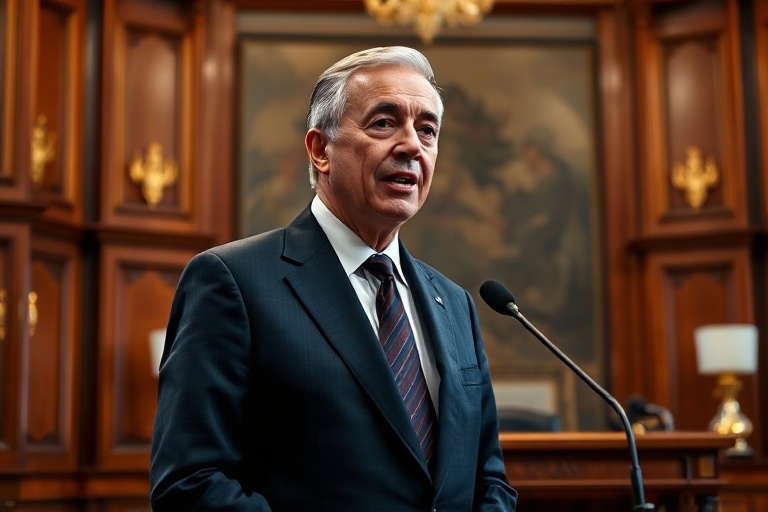
The position of foreign secretary holds a unique place in government hierarchies worldwide. As the principal minister responsible for a nation’s foreign affairs, this role shapes international relations, trade agreements, and diplomatic strategies. The foreign secretary often operates at the intersection of policy, diplomacy, and national security, making it one of the most influential roles in any cabinet.
The role varies significantly between countries. In parliamentary systems like the United Kingdom, the foreign secretary is a senior cabinet member who reports directly to the prime minister. In presidential systems such as the United States, the equivalent role—often called the Secretary of State—serves at the pleasure of the president and carries substantial executive authority. Regardless of the political structure, the foreign secretary remains a key figure in defining how a nation engages with the world.
The Core Responsibilities of a Foreign Secretary
At its core, the role of foreign secretary revolves around diplomacy and international relations. One of the primary duties involves representing the nation abroad, attending summits, and engaging in bilateral and multilateral negotiations. This includes meetings with counterparts from other countries to discuss pressing issues such as climate change, security threats, or economic partnerships.
Another critical function is overseeing the foreign office or department of state. This involves managing a vast bureaucracy of diplomats, intelligence analysts, and policy advisors. The foreign secretary must ensure that the department operates efficiently and aligns with the government’s broader foreign policy objectives. They also play a crucial role in crisis management, particularly during international disputes or emergencies that could impact national interests.
In addition to these duties, the foreign secretary often leads efforts to strengthen economic and cultural ties with other nations. Trade missions, educational exchange programs, and cultural diplomacy initiatives frequently fall under their purview. By fostering these relationships, the foreign secretary helps create opportunities for mutual growth and cooperation.
A well-rounded foreign secretary must balance idealism with pragmatism. While promoting democratic values and human rights remains important, they must also navigate complex geopolitical realities where national interests often take precedence. This delicate balancing act requires sharp diplomatic skills, strategic foresight, and an ability to read the global landscape accurately.
The Path to Becoming Foreign Secretary
The journey to becoming foreign secretary is rarely straightforward. Most individuals who reach this position have extensive experience in politics, law, academia, or international relations. In many countries, a background in diplomacy or foreign service is highly valued. Some foreign secretaries begin their careers as diplomats, working their way up through the ranks before assuming leadership roles.
Political connections and party loyalty often play a significant role in appointment. In parliamentary systems, the prime minister typically selects the foreign secretary from among elected officials, often choosing someone with a strong track record in international affairs or a close personal relationship. In presidential systems, the president may prioritize individuals with expertise in specific regions or policy areas, such as trade or security.
Education also plays a critical role in shaping future foreign secretaries. Many hold advanced degrees in international relations, law, or political science from prestigious institutions. Exposure to diverse cultures and languages can be invaluable, as fluency in multiple languages and an understanding of different political systems enhance a diplomat’s effectiveness.
Personal qualities such as resilience, adaptability, and strong communication skills are essential. The role demands the ability to negotiate under pressure, build consensus among diverse stakeholders, and withstand intense public scrutiny. Those who thrive in this position often combine intellectual rigor with emotional intelligence, allowing them to navigate the complexities of global diplomacy with finesse.
The Challenges and Pressures of the Role
Serving as foreign secretary is not without its challenges. One of the most significant pressures comes from the sheer unpredictability of international relations. Geopolitical tensions can escalate rapidly, requiring swift and decisive action. Whether dealing with a sudden conflict, a refugee crisis, or a breakdown in trade negotiations, the foreign secretary must be prepared to respond effectively under tight deadlines.
Public opinion and media scrutiny add another layer of complexity. Every decision made by the foreign secretary is subject to intense public and political debate. Missteps or perceived failures can lead to criticism from opposition parties, advocacy groups, or the general public. This scrutiny can be particularly intense when dealing with contentious issues such as military interventions, sanctions, or human rights violations.
Domestic politics often interfere with foreign policy goals. A foreign secretary must navigate the competing interests of various domestic stakeholders, including businesses, advocacy groups, and political allies. Balancing these interests while maintaining a coherent and effective foreign policy can be a daunting task.
Additionally, the role requires managing relationships with international organizations such as the United Nations, NATO, or the World Trade Organization. These organizations often have their own agendas, bureaucracies, and power dynamics, which can complicate efforts to achieve national objectives. The foreign secretary must be adept at negotiating within these structures while advocating for their country’s interests.
Despite these challenges, the role of foreign secretary remains one of the most influential and rewarding positions in government. The opportunity to shape a nation’s engagement with the world, forge lasting diplomatic alliances, and address global challenges makes it a critical role in ensuring stability and prosperity on the international stage.
The Future of the Foreign Secretary Role
The role of foreign secretary is evolving in response to global changes. The rise of digital diplomacy, for instance, has transformed how nations communicate and negotiate. Social media platforms allow foreign secretaries to engage directly with global audiences, bypassing traditional diplomatic channels. While this can enhance transparency, it also increases the risk of miscommunication or diplomatic missteps.
Climate change has emerged as a defining issue for modern foreign secretaries. The need to coordinate international responses to environmental crises has elevated climate diplomacy to a top priority. Foreign secretaries now play a key role in negotiating international agreements such as the Paris Climate Accord and mobilizing global action to address environmental challenges.
Another trend reshaping the role is the growing influence of non-state actors. Multinational corporations, non-governmental organizations, and even terrorist groups now wield significant power on the global stage. Foreign secretaries must adapt to this new reality by engaging with these actors while maintaining traditional diplomatic relationships.
The increasing polarization of global politics also poses challenges. Rising nationalism, protectionism, and ideological divides can complicate efforts to build consensus on international issues. Foreign secretaries must navigate these divisions while advocating for multilateral solutions that serve their nation’s long-term interests.
Looking ahead, the role of foreign secretary will likely continue to evolve. Technological advancements, shifting global power dynamics, and emerging global challenges will require innovative approaches to diplomacy. The most effective foreign secretaries will be those who can combine traditional diplomatic skills with adaptability, technological savvy, and a deep understanding of the interconnected world we live in.
Key Takeaways
- Diplomatic Leadership: The foreign secretary is the primary architect of a nation’s foreign policy, shaping international relations and representing the country abroad.
- Crisis Management: The role demands the ability to respond to global crises, from conflicts to natural disasters, with strategic and timely action.
- Balancing Act: Foreign secretaries must balance idealism with pragmatism, promoting national interests while upholding democratic values and human rights.
- Evolving Challenges: The role is increasingly shaped by digital diplomacy, climate change, and the influence of non-state actors, requiring adaptability and innovation.
The foreign secretary remains one of the most critical roles in any government, bridging domestic priorities with global responsibilities. As the world becomes more interconnected, the influence and challenges of this position will only continue to grow.
Further Reading
For those interested in exploring the intersection of diplomacy and technology, our Technology section offers insights into how digital tools are transforming global relations. Additionally, our Politics section provides in-depth analysis of international governance and policy trends.