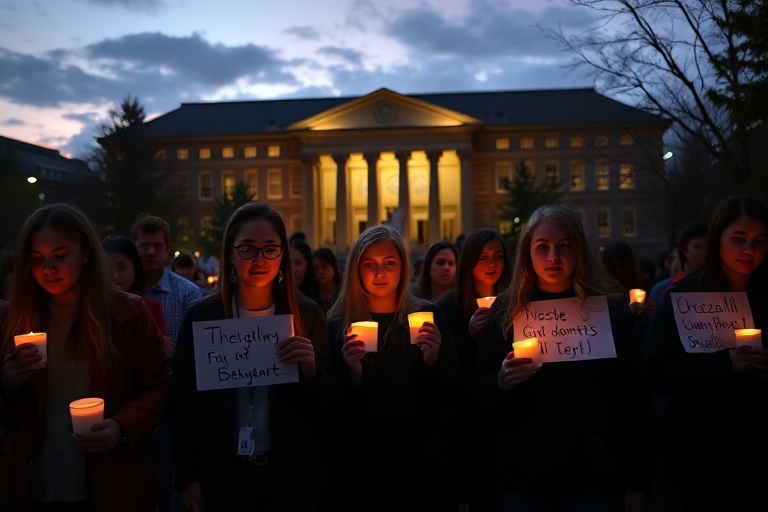
University of Washington Community Grieves After Student Death
The University of Washington (UW) community is coming to terms with the tragic loss of a student whose death has sent ripples through campus and beyond. While details remain limited due to privacy concerns, the incident has reignited conversations about mental health support systems in higher education institutions worldwide. Universities globally face similar challenges in balancing academic rigor with student well-being, making this a poignant moment for reflection.
UW spokesperson Victor Balta confirmed the university is cooperating with local authorities investigating the circumstances surrounding the student’s death. “Our hearts go out to the family, friends, and everyone affected by this profound loss,” Balta stated. The university has also announced plans to hold a campus-wide forum next week to address mental health resources and provide support for those struggling.
Global Context: Student Mental Health on the Rise
This incident reflects a broader trend affecting universities worldwide. A 2023 study by the World Health Organization found that 35% of college students reported experiencing significant mental health challenges, with anxiety and depression being the most common. In countries like the United States, Canada, and the United Kingdom, universities have increasingly prioritized mental health services, though critics argue these efforts often fall short.
In Japan, where academic pressure is notoriously intense, student suicides have prompted national discussions about reforming education policies. Similarly, in India, a 2022 report by the National Crime Records Bureau highlighted that over 10,000 students died by suicide in a single year, citing academic stress and societal expectations as key factors. These international examples underscore the urgent need for systemic change.
What Support Systems Are in Place at UW?
UW offers a range of mental health resources, including free counseling services through its Counseling Center. Students can access individual therapy, group sessions, and crisis intervention. However, demand often exceeds capacity, leading to wait times that can stretch weeks. A 2023 survey revealed that nearly 40% of UW students who sought mental health support did not receive it in a timely manner.
The university’s Health and Wellness department also provides workshops on stress management, mindfulness, and sleep hygiene. Yet, advocates argue these proactive measures are not enough. “Education about mental health should be as fundamental as learning to write an essay,” said Dr. Elena Rodriguez, a UW psychology professor. “We need to destigmatize seeking help and make it accessible to everyone.”
Cultural Factors Influencing Student Well-Being
Cultural attitudes toward mental health play a significant role in how students cope—or don’t cope—with stress. In many Western countries, there is growing acceptance of therapy and open discussions about mental health. However, in cultures where mental health struggles are stigmatized, students may suffer in silence. For example, in South Korea, where academic competition is fierce, the term “gap year” has taken on a darker connotation, often masking severe burnout or depression.
At UW, which boasts a diverse student body, cultural backgrounds shape how individuals seek help. International students, in particular, may face additional barriers, including language differences or unfamiliarity with local mental health services. A 2022 report by the Journal of International Students found that nearly 60% of international students reported feeling isolated or overwhelmed during their first year abroad.
- Academic Pressure: The relentless pursuit of high grades and extracurricular achievements can lead to chronic stress.
- Financial Strain: Rising tuition costs and living expenses force many students to work long hours, leaving little time for self-care.
- Social Isolation: The transition to college life, especially for first-generation students, can be isolating without a strong support network.
- Cultural Stigma: In some communities, mental health struggles are seen as a personal failing rather than a medical condition.
Moving Forward: What Can Be Done?
The loss of any student is a tragedy, but it also presents an opportunity for meaningful change. UW’s upcoming forum could serve as a catalyst for broader discussions about mental health infrastructure. Universities worldwide could take note by implementing several key strategies:
- Increased Funding: Allocate more resources to mental health services, including hiring additional counselors and expanding crisis hotlines.
- Peer Support Programs: Train student leaders to recognize signs of distress and connect peers with professional help.
- Mental Health Literacy: Integrate mental health education into orientation programs and academic curricula.
- Policy Reform: Advocate for policies that reduce academic pressure, such as limiting the number of credits students can take per quarter.
Globally, countries like Australia and New Zealand have adopted “well-being weeks” during exam periods, offering stress-relief activities like yoga and pet therapy. Meanwhile, the European Union’s European Student Card initiative includes mental health support as a standard benefit for exchange students. These examples highlight the potential for innovative solutions.
A Call to Action
The death of a UW student is a stark reminder that mental health is not a peripheral issue but a core component of academic success. While universities must take the lead, the broader community—including policymakers, families, and peers—must also step up. Mental health struggles do not discriminate; they affect students from all backgrounds, disciplines, and walks of life.
As UW prepares to host its mental health forum, one thing is clear: silence is no longer an option. The conversation about student well-being must evolve from reactive measures to proactive, systemic change. For the sake of current and future students, action cannot wait.
In the words of a UW senior who wished to remain anonymous, “We talk about changing the world after graduation. But what if we started by changing the world for the students sitting next to us today?”