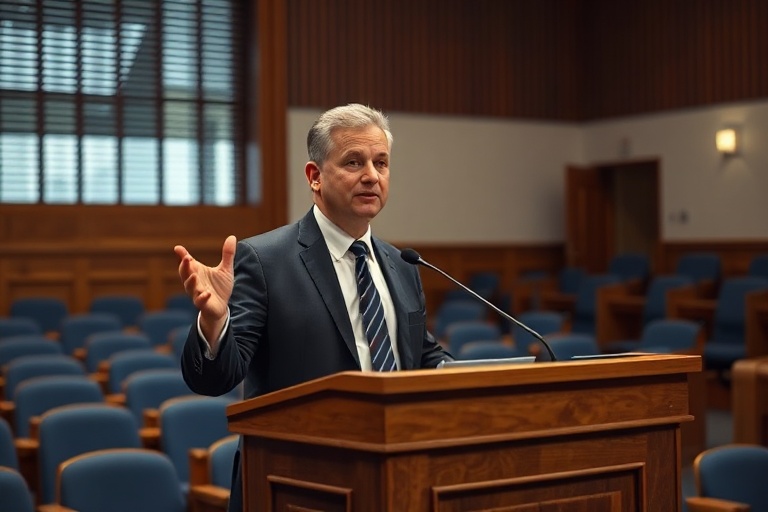
What Does a Councillor Do? Roles, Challenges, and Global Perspectives
Understanding the Role of a Councillor: Local Leadership in Global Context
Across the world, local governance relies on individuals who act as the bridge between communities and higher levels of government. These individuals, often referred to as councillors, play a crucial role in shaping policies that directly impact daily life. From urban centers to rural villages, councillors are responsible for representing public interests, allocating resources, and addressing pressing community concerns. Their work is not limited to political strategy; it is deeply rooted in social responsibility and civic engagement.
The concept of a councillor varies significantly depending on the country and its political system. In some nations, these officials are elected representatives who serve on local councils or municipal boards. In others, they may be appointed or emerge from traditional leadership structures. Regardless of the system, the core mission remains consistent: to ensure that the voices of citizens are heard and that local needs are met with effective governance.
The Structure of Local Governance: Where Councillors Fit In
The role of a councillor is shaped by the broader framework of local governance. In many countries, local governments operate under a tiered system, with regional, district, and municipal levels. Councillors typically serve at the municipal or district level, where they address issues such as infrastructure, public services, and community development. Their authority is often defined by local laws, which outline their responsibilities and limitations.
For example, in the United Kingdom, councillors are elected to local authorities such as city councils or county councils. They work alongside paid officers, including council managers and administrators, to implement policies and oversee budgets. In contrast, in the United States, local governance varies widely by state. Some areas have strong mayor-council systems, where councillors focus on legislative functions, while others operate under council-manager models, blending elected and professional roles.
The diversity in governance structures highlights how local leadership adapts to cultural and political contexts. In countries with decentralized systems, such as Germany or Canada, councillors often have more autonomy to tailor policies to regional needs. Conversely, in centralized systems like France, local officials may have less flexibility but still play a vital role in implementing national directives at the grassroots level.
Key Responsibilities of a Councillor: Beyond the Title
The duties of a councillor extend far beyond attending meetings. Their responsibilities can be divided into several core areas, each requiring a unique blend of skills and dedication.
- Representation: Councillors act as the voice of their constituents, whether advocating for better public transit, improved healthcare access, or environmental sustainability. They must balance the needs of different community groups while prioritizing the greater good.
- Policy Development: Through council meetings and committees, councillors draft, debate, and approve local ordinances. These policies can range from zoning laws to public health regulations, all of which shape the livability of a community.
- Budget Oversight: Local governments operate on limited funds, and councillors play a critical role in allocating resources. This involves scrutinizing expenditures, approving budgets, and ensuring financial transparency.
- Constituent Services: Councillors often serve as the first point of contact for residents facing issues with local services, such as road repairs, waste management, or permit applications. Their ability to resolve these concerns can significantly impact public trust.
- Community Engagement: Effective councillors do not work in isolation. They organize town halls, collaborate with nonprofits, and partner with businesses to foster inclusive growth. Their outreach efforts ensure that marginalized voices are not overlooked.
In some regions, councillors also take on additional roles, such as serving on school boards or environmental commissions. These positions allow them to address specialized issues that require technical expertise. For instance, a councillor in a coastal town might focus on climate resilience, while another in a rural area might prioritize agricultural support programs.
The Challenges Facing Modern Councillors
The role of a councillor is not without its challenges. In an era of rapid urbanization, economic inequality, and climate change, local leaders must navigate complex and often conflicting priorities. One of the most pressing issues is the balance between development and sustainability. Councillors frequently face pressure to approve new housing projects or commercial developments to boost the local economy, even as they grapple with concerns about overcrowding, traffic congestion, and environmental degradation.
Another significant challenge is public trust. In many communities, skepticism toward government institutions runs deep. Councillors must work diligently to rebuild credibility by demonstrating transparency, accountability, and responsiveness. This is particularly difficult in areas where corruption scandals have eroded faith in local leadership. For example, in parts of Africa and Latin America, councillors often operate in environments with limited resources and high levels of bureaucracy, making it harder to deliver tangible results.
Additionally, the rise of digital communication has transformed how councillors interact with the public. While social media provides a platform for direct engagement, it also amplifies misinformation and polarizes debates. Councillors must carefully navigate these platforms to avoid becoming entangled in online conflicts that distract from their primary goals. Some have turned to digital tools to improve transparency, such as live-streaming council meetings or using apps to gather feedback from residents.
Cultural Perspectives: How Different Regions Approach Local Leadership
The role of a councillor is deeply influenced by cultural norms and historical traditions. In Nordic countries, for instance, local governance is characterized by a strong emphasis on consensus-building and citizen participation. Councillors in Sweden or Norway often collaborate closely with community groups to co-create policies, reflecting the region’s commitment to social democracy. This approach contrasts with the more adversarial systems found in countries like the United States, where debates between political parties frequently shape local decision-making.
In post-colonial nations such as India or South Africa, the legacy of centralized governance has led to efforts to decentralize power to local bodies. Councillors in these countries often face unique challenges, such as balancing traditional leadership structures with modern democratic systems. For example, in India, the Panchayati Raj system empowers local councils to manage resources and deliver services, but implementation varies widely across states. In South Africa, the introduction of ward councillors has aimed to ensure that historically marginalized communities have a voice in governance, though issues of corruption and inefficiency persist.
Cultural attitudes toward gender also play a role in shaping the composition of local councils. In many parts of the world, women remain underrepresented in local leadership roles despite their significant contributions to community development. Initiatives such as gender quotas have been implemented in countries like Rwanda and Mexico to increase female participation. These efforts highlight the importance of diversity in local governance, as women often bring different perspectives to issues like childcare, education, and social welfare.
The Future of Local Governance: Trends and Innovations
As societies evolve, so too do the expectations placed on councillors. Several emerging trends are reshaping the landscape of local governance, offering both opportunities and challenges for future leaders.
- Technology Integration: Smart city initiatives are transforming how local governments operate. Councillors are increasingly adopting tools such as data analytics, IoT sensors, and digital platforms to improve service delivery. For example, Barcelona’s use of smart lighting and waste management systems has reduced energy consumption and improved efficiency.
- Climate Action: With cities contributing over 70% of global carbon emissions, councillors are at the forefront of climate adaptation and mitigation efforts. Policies such as green building codes, renewable energy incentives, and public transit expansions are becoming standard priorities in urban governance.
- Youth Engagement: Recognizing the importance of intergenerational collaboration, some councils are creating youth advisory boards or internship programs. These initiatives not only empower young leaders but also ensure that policies reflect the needs of future generations.
- Decentralized Finance: The rise of blockchain and cryptocurrency has introduced new models for local funding. Some councils are exploring how decentralized finance (DeFi) can support community projects, though regulatory hurdles remain a significant barrier.
These trends underscore the need for councillors to be adaptable and forward-thinking. As global challenges such as pandemics, economic instability, and social unrest continue to emerge, the ability to innovate will determine the effectiveness of local leadership. Councillors who embrace technology, prioritize sustainability, and foster inclusivity will be best positioned to meet the demands of the 21st century.
Conclusion: The Enduring Importance of Councillors
In an era dominated by global issues, the work of councillors often goes unnoticed outside their immediate communities. Yet, their contributions are vital to the functioning of democratic societies. Councillors are not merely politicians; they are problem-solvers, mediators, and advocates who translate abstract policies into tangible improvements in people’s lives. Whether through repairing a potholed road, organizing a vaccination drive, or advocating for affordable housing, their impact is felt in countless ways.
The role of a councillor is a testament to the power of local action. While national and international leaders debate grand strategies, it is often at the municipal level where real change begins. As communities continue to face unprecedented challenges, the need for skilled, dedicated, and compassionate councillors has never been greater. Their work reminds us that governance is not just about power—it is about people, and the places they call home.