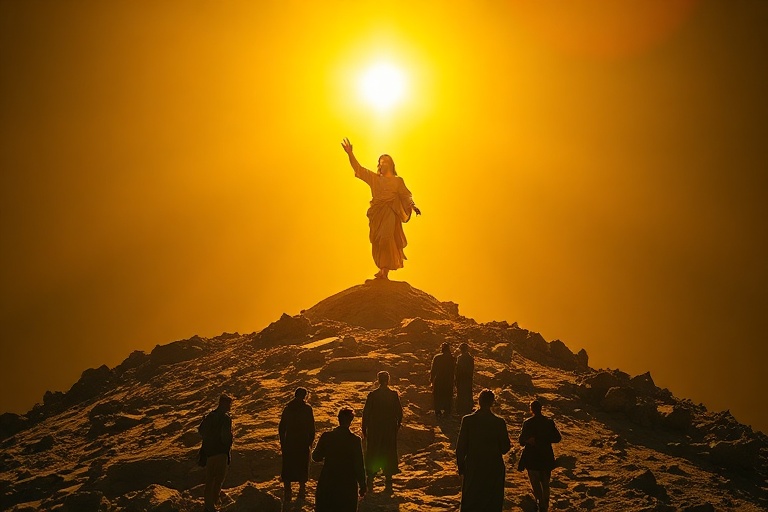
Ascension Day, observed 40 days after Easter, commemorates a pivotal moment in Christian theology—the ascension of Jesus Christ into heaven. Falling on May 9 in 2024, this observance is more than a religious ritual; it carries historical, cultural, and even secular significance that extends beyond traditional worship. For many, it serves as a reminder of faith’s enduring narratives, while for others, it offers a moment to reflect on themes of departure, hope, and renewal.
The roots of Ascension Day stretch back to the early Christian church, but its observance has evolved alongside cultural shifts. In some regions, it remains a solemn holy day marked by church services and processions. In others, it blends with local traditions, creating a tapestry of customs that reveal how spiritual observances adapt over time. Understanding these layers helps clarify why Ascension Day continues to resonate in diverse communities today.
Theological Significance: Beyond the Biblical Account
At its core, Ascension Day marks the conclusion of Jesus’ earthly ministry. According to the New Testament, particularly the Acts of the Apostles, Jesus ascended to heaven in the presence of his disciples after instructing them to carry on his mission. This event is not merely a conclusion but a transition—one that signals the beginning of the church’s role in spreading Christian teachings.
Theological scholars emphasize that the ascension underscores Christ’s dual nature as both divine and human. It affirms the belief in Jesus’ return, a cornerstone of Christian eschatology. For many believers, this day reinforces the idea that faith is not confined to physical presence but exists in spiritual continuity. The absence of Jesus, in this context, becomes a lesson in trust and the unseen work of divine purpose.
This theological framework has influenced Christian liturgy for centuries. The Book of Common Prayer, for instance, includes specific prayers and readings for Ascension Day. Hymns like “Hail the Day That Sees Him Rise” encapsulate the solemn joy of the occasion, blending reverence with anticipation for the future.
Cultural and Regional Traditions: How Communities Celebrate
Ascension Day’s observance varies widely across cultures and denominations. In Western Christianity, it is often a public holiday in countries like Germany, where it’s known as Christi Himmelfahrt. German communities host church services followed by parades and outdoor gatherings, blending religious solemnity with communal celebration.
In the Netherlands, the day is tied to Hemelvaartsdag, a public holiday that also coincides with the start of summer vacation for many. Families take trips, and businesses close, reflecting how religious observances can shape secular rhythms. Meanwhile, in Ethiopia, the holiday is celebrated with vibrant processions and traditional music, highlighting the integration of Christian faith with local heritage.
These traditions reveal a broader pattern: Ascension Day often serves as a bridge between the sacred and the communal. Whether through feasts, pilgrimages, or public events, the day fosters a sense of shared identity among participants. It demonstrates how religious observances can evolve into cultural touchstones, preserving historical narratives while adapting to contemporary life.
Key Traditions Associated with Ascension Day
- Church Services: Special liturgical services featuring readings from Acts 1:1-11 and Luke 24:44-53, often accompanied by hymns and prayers.
- Processions: In some European countries, candlelit processions symbolize the light of Christ guiding believers.
- Feasting: Traditional foods vary by region, from German Himmelfahrtsbrot (a sweet bread) to Ethiopian injera and stews shared among families.
- Outdoor Activities: In the Netherlands and Scandinavia, the day marks the unofficial start of summer, with picnics and family outings.
- Artistic Depictions: Medieval and Renaissance art often portrays the ascension with dramatic skies and angelic figures, reflecting the theological awe of the event.
Broader Implications: Faith, Identity, and Modern Society
Ascension Day’s observance extends beyond the confines of religious institutions. It intersects with themes of leadership, legacy, and the passage of time—concepts that resonate in contemporary discourse. For instance, the idea of “ascension” can be metaphorically applied to personal or professional milestones, where individuals reflect on growth and the next phase of their journey.
In a secular context, Ascension Day also invites broader conversations about tradition in a rapidly changing world. As fewer people adhere strictly to religious observances, days like this face the challenge of remaining relevant. Yet, for those who do participate, they offer a rare opportunity to pause and consider values such as sacrifice, hope, and community. This dual role—as both a religious observance and a cultural artifact—highlights its unique position in modern society.
Moreover, Ascension Day intersects with interfaith dialogues. While primarily a Christian observance, its themes of ascension and transcendence echo in other religious traditions, such as the Jewish holiday of Shavuot or the Islamic celebration of the Prophet’s Night Journey. These connections underscore a shared human search for meaning beyond the material world.
Looking Ahead: The Future of Ascension Day
As society becomes more secularized, the future of Ascension Day may hinge on its ability to adapt while preserving its core significance. Churches are increasingly leveraging digital platforms to reach broader audiences, offering virtual services and reflections that complement traditional observances. This hybrid approach ensures that the day remains accessible to younger generations and those unable to attend in person.
At the same time, cultural shifts present opportunities for reinterpretation. For example, environmental groups have begun framing Ascension Day as a time to reflect on humanity’s role as stewards of the earth—a nod to the idea of ascending to a higher purpose. Such adaptations demonstrate the day’s potential to evolve alongside contemporary concerns.
For communities that observe it, Ascension Day remains a vital link to history and faith. Whether through quiet reflection or joyful celebration, it offers a moment to consider what it means to rise—not just in a literal sense, but in purpose and legacy. In an era marked by rapid change, such traditions provide stability and continuity.
As we move forward, the observance of Ascension Day will likely continue to reflect the interplay between tradition and innovation. It challenges us to consider not only where we come from but where we are headed—both individually and collectively.
For those interested in exploring how religious traditions intersect with modern life, Dave’s Locker Culture section offers deeper insights into similar topics. Additionally, the Analysis archives provide thoughtful perspectives on faith and society.
Conclusion
Ascension Day is more than a date on the liturgical calendar—it is a testament to the enduring power of narrative and tradition. From its theological roots to its cultural expressions, the day invites reflection on themes of departure, hope, and renewal. In a world often focused on the immediate, it offers a pause to consider the eternal.
As communities adapt to new ways of observing and interpreting this day, its essence remains unchanged. It challenges us to look beyond the ordinary, to seek higher purpose, and to find connection in shared stories. Whether through prayer, celebration, or quiet contemplation, Ascension Day endures as a reminder of what it means to ascend—not just in faith, but in humanity.