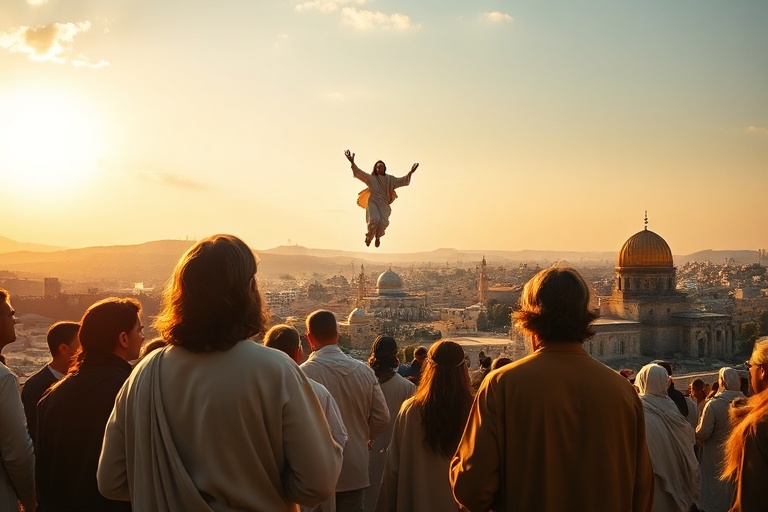
ascension day
Ascension Day, observed 40 days after Easter Sunday, marks the Christian celebration of Jesus Christ’s ascension into heaven. This sacred event, rooted in biblical tradition, holds deep theological and cultural significance for millions. In 2024, Ascension Day falls on May 9, following the movable date of Easter, which varies each year based on lunar cycles. While primarily observed by Christian denominations, its cultural and historical influence extends beyond religious communities, shaping traditions in art, literature, and even secular calendars.
The timing of Ascension Day is deliberate. It occurs 39 days after Easter Sunday, with the 40th day commemorating Christ’s final farewell to his disciples before ascending to heaven. This period aligns with the biblical account in the Book of Acts, where Jesus gathers his followers on the Mount of Olives before being taken up in a cloud. The event is not only a cornerstone of Christian theology but also a moment of reflection on themes of faith, hope, and divine promise.
The Biblical Foundation of Ascension Day
Ascension Day traces its origins to the New Testament, specifically the Gospel of Luke and the Acts of the Apostles. According to Luke 24:50-53, Jesus leads his disciples to Bethany, blesses them, and is carried up to heaven. The Acts of the Apostles (1:6-11) provides a more detailed account, describing the event as witnessed by the disciples, who are left gazing upward in awe. This moment is often depicted in Christian art as a triumphant scene, with Jesus rising above a group of kneeling or uplifted figures.
The ascension is more than a miraculous event; it is a theological milestone. It signifies the completion of Jesus’ earthly ministry and the beginning of the Holy Spirit’s work through the Church. Theologians often emphasize the ascension as a necessary step before the coming of the Holy Spirit at Pentecost, which occurs 10 days later. Without this event, the Christian narrative of redemption and the gift of the Spirit would remain incomplete.
Early Christian communities began observing Ascension Day as early as the 4th century, though its formalization into the liturgical calendar took time. The Council of Elvira in 300 AD first mentions a 40-day period of preparation before Pentecost, indirectly referencing the ascension. By the 5th century, the feast was widely celebrated in the Eastern and Western churches, though differences in observance emerged over time.
How Ascension Day Is Observed Around the World
Ascension Day is a public holiday in many predominantly Christian countries, though its observance varies by denomination and region. In Western Christianity, particularly within Catholic and Protestant traditions, the day is marked by special church services, processions, and the singing of hymns like “Hail the Day That Sees Him Rise.” Some churches hold sunrise services, symbolizing the dawn of a new era after Christ’s departure.
In Eastern Orthodox Christianity, Ascension Day is observed 40 days after Easter, following the Julian calendar. The celebration often includes the blessing of fields and crops, reflecting the agricultural cycles of spring. In Greece, for example, priests may sprinkle holy water over farmland, invoking divine blessing for the harvest. This tradition underscores the deep connection between faith and the rhythms of nature in Orthodox practice.
In Germany, Ascension Day is known as Christi Himmelfahrt and is a public holiday with a unique secular twist. Since the 19th century, it has also been observed as Father’s Day (Vatertag), where groups of men embark on hiking trips, often pulling carts filled with beer and food. The day blends religious reflection with community bonding, creating a distinctive cultural fusion. Similarly, in the Netherlands, the holiday is marked by both church services and outdoor festivities, including fairs and markets.
In some Latin American countries, Ascension Day is celebrated with vibrant processions and festivals. In Mexico, for instance, towns may host parades featuring statues of Jesus being carried through the streets, symbolizing his journey to heaven. The day is also an opportunity for families to gather, share meals, and participate in local customs that blend indigenous and Catholic traditions.
Key Traditions by Region
- Italy: In Rome, the Pope traditionally leads a Mass at St. Peter’s Basilica, followed by a procession to the Archbasilica of St. John Lateran. The event draws thousands of pilgrims each year.
- France: Known as L’Ascension, the day is a public holiday with many businesses closed. Some regions hold fairs or agricultural blessings, particularly in rural areas.
- Ethiopia: The Ethiopian Orthodox Tewahedo Church observes Ascension Day with an all-night vigil and a feast featuring traditional dishes like injera and doro wat.
- United States: While not a federal holiday, Ascension Day is observed in many churches, particularly among Lutheran, Episcopal, and Methodist congregations. Some communities host interfaith events to highlight the day’s universal themes.
The Cultural and Artistic Legacy of Ascension Day
Ascension Day has inspired centuries of artistic expression, from medieval illuminated manuscripts to Renaissance paintings and modern films. One of the most iconic depictions is the 16th-century work The Ascension of Christ by Titian, housed in the Museo del Prado in Madrid. The painting captures the drama of the moment, with Christ ascending amid a swirling cloud of angels and disciples gazing in wonder. Such artworks served not only as devotional aids but also as visual narratives of Christian theology.
In literature, the ascension motif appears in works by authors like Dante Alighieri and John Milton. Dante’s Divine Comedy describes the ascent to heaven as a journey of spiritual enlightenment, while Milton’s Paradise Lost frames the ascension as a triumphant return to divine glory. These literary interpretations reflect the day’s broader cultural significance as a symbol of hope and transcendence.
Music has also played a vital role in shaping the observance of Ascension Day. Johann Sebastian Bach composed several cantatas for the occasion, including Lobet Gott in seinen Reichen (BWV 11), which blends sacred text with orchestral grandeur. Hymns like “A Hymn of Glory Let Us Sing” and “Crown Him with Many Crowns” are staples in many church services, their lyrics celebrating Christ’s victory and eternal reign.
In contemporary culture, Ascension Day continues to influence media and storytelling. Films like The Passion of the Christ (2004) and Son of God (2014) depict the ascension as a climactic moment, emphasizing its emotional and theological weight. Even secular works occasionally reference the event, using it as a metaphor for departure, transformation, or the search for meaning.
Modern Observances and the Future of Ascension Day
In an increasingly secularized world, Ascension Day faces both challenges and opportunities. While church attendance has declined in many Western countries, the day retains its significance for those who observe it. Some churches have adapted by incorporating multimedia presentations, social media campaigns, or community service projects to engage younger generations. For example, youth groups might organize charity drives or outdoor prayer vigils to connect the ascension’s themes of hope and service to contemporary issues.
Interfaith dialogue has also become a hallmark of modern Ascension Day observances. In cities like London and New York, interfaith organizations host events that explore shared themes of ascension, enlightenment, and spiritual ascent across different religions. These gatherings often feature speakers from diverse faith traditions, fostering mutual understanding and highlighting universal values.
Technology has further expanded the reach of Ascension Day celebrations. Livestreamed services allow global audiences to participate in real-time, while virtual prayer groups and online forums provide spaces for reflection and discussion. Apps like Pray as You Go or Hallow offer guided meditations and readings tailored to the occasion, making the day accessible to those unable to attend traditional services.
Despite these adaptations, some traditions remain steadfast. In countries like Spain and Poland, Ascension Day is deeply woven into the cultural fabric, with processions, feasts, and family gatherings marking the occasion. These customs serve as a reminder of the day’s enduring legacy, bridging the sacred and the secular.
Looking ahead, Ascension Day may continue to evolve as a symbol of hope in uncertain times. Whether through art, activism, or personal reflection, its themes of ascent, renewal, and divine promise resonate across generations. As society grapples with questions of meaning and purpose, the story of Christ’s ascension offers a timeless narrative of transcendence and transformation.
Why Ascension Day Matters Today
At its core, Ascension Day is a testament to the Christian belief in God’s redemptive plan. It reminds believers of the temporary nature of earthly life and the promise of eternal life in heaven. For many, the day is a moment to pause and consider their own spiritual journey, asking how they might ascend to higher ideals in their daily lives.
The ascension also carries ecological and social significance. In an era of environmental crisis, the day’s agricultural blessings in Orthodox traditions take on renewed importance. Farmers and communities may reflect on stewardship of the Earth, seeing their work as a form of sacred duty. Similarly, the themes of unity and service—central to the ascension narrative—encourage acts of kindness and solidarity in divided times.
For those outside the Christian faith, Ascension Day offers an opportunity to engage with its cultural and historical dimensions. Museums, libraries, and educational institutions often host exhibitions or lectures exploring the day’s artistic and theological heritage. These events provide a window into the day’s broader significance, inviting curiosity and dialogue.
Ultimately, Ascension Day is more than a religious observance; it is a cultural touchstone with relevance for all. Whether through prayer, art, or community, its themes of ascent and hope continue to inspire and challenge us. As we mark the day each year, we are reminded of the enduring power of stories to shape our understanding of the world—and ourselves.
For those interested in exploring religious observances further, visit