Bournemouth’s Weather: A Window into Britain’s Coastal Climate
Bournemouth’s weather is more than just a local concern—it reflects broader patterns in Britain’s maritime climate, where ocean currents, seasonal shifts, and urban geography create a unique atmospheric tapestry. Situated on England’s south coast, this seaside town experiences weather that oscillates between gentle maritime breezes and sudden Atlantic storms, shaping daily life for residents and visitors alike.
The town’s location in Dorset places it at the mercy of the Gulf Stream, which warms winters but also fuels unpredictable rainfall. While Bournemouth often enjoys sunnier days than its northern counterparts, its weather remains a subject of fascination for meteorologists and travelers. Understanding these patterns reveals how coastal environments adapt to global climate systems.
The Seasonal Rhythms of Bournemouth’s Weather
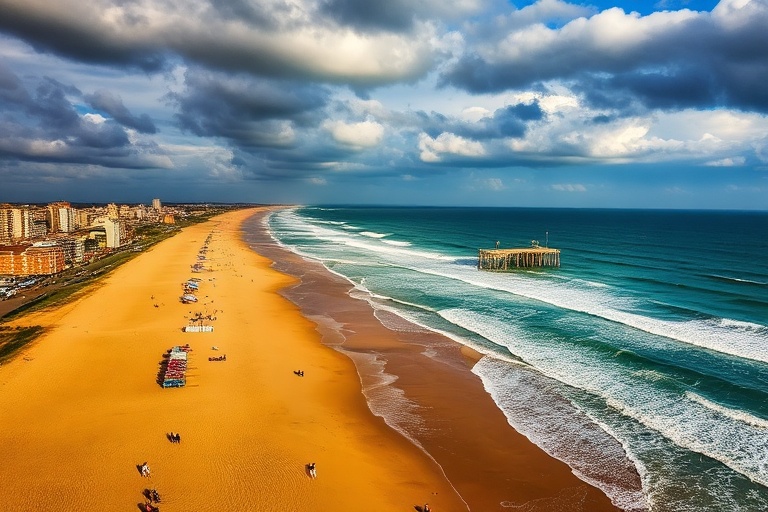
Bournemouth’s seasons follow a distinct rhythm, though not always predictably. Summers, from June to August, are typically the most stable, with average temperatures hovering around 20-23°C (68-73°F). However, heatwaves occasionally push readings above 30°C (86°F), drawing crowds to its golden beaches. The contrast between sunny afternoons and cool evenings can be stark, a reminder of the sea’s moderating influence.
Winters are milder than inland areas, rarely dipping below 5°C (41°F), but dampness lingers. Rainfall is spread fairly evenly throughout the year, with autumn and winter seeing the heaviest downpours. Spring and autumn serve as transitional seasons, marked by rapid shifts—sunshine one hour, drizzle the next. These fluctuations are not just local quirks but part of the larger North Atlantic climate system.
How Global Climate Trends Influence Bournemouth’s Forecast
Bournemouth’s weather is increasingly tied to global climate patterns. Rising sea temperatures, linked to ocean warming, have intensified rainfall events in recent years. The town has witnessed heavier autumn storms, a trend consistent with climate projections for western Europe. Meanwhile, the jet stream’s erratic behavior has led to unseasonal heatwaves and sudden cold snaps, disrupting traditional seasonal expectations.
Urban development along the coast also plays a role. Bournemouth’s expanding infrastructure, including new hotels and promenades, alters wind patterns and heat absorption. These changes interact with natural systems, creating microclimates within the town itself. The result is a weather experience that feels both familiar and subtly evolving.
A Cultural Perspective: How Bournemouth’s Weather Shapes Daily Life
For locals, Bournemouth’s weather is a constant conversation starter. The town’s identity is deeply tied to its climate—sunny days fuel tourism, while storms test resilience. The annual Bournemouth Air Festival, for instance, depends on clear skies, while winter gales challenge coastal defenses. This relationship between weather and culture is visible in the town’s architecture, festivals, and even its culinary traditions, like the popularity of seafood during stormy months.
Visitors often arrive expecting postcard-perfect weather, only to encounter the reality of Britain’s maritime unpredictability. Yet, this very unpredictability adds to Bournemouth’s charm. Locals have learned to adapt, whether by carrying umbrellas year-round or embracing indoor attractions during downpours. The town’s weather, in turn, becomes part of its narrative—a blend of natural beauty and resilient adaptation.
Practical Tips for Navigating Bournemouth’s Weather
Planning a trip to Bournemouth requires more than just packing a swimsuit. Layered clothing is essential, as temperatures can shift dramatically within hours. A lightweight waterproof jacket is a must, even in summer, to guard against sudden showers. The town’s coastal walks, like the seven-mile stretch to Highcliffe, are best enjoyed during low tide when paths are dry and views are clear.
For those interested in weather-dependent activities, timing is key. Surfing enthusiasts should check tide charts and wind forecasts, while golfers at the nearby Bournemouth & Parkstone Golf Club need to account for coastal winds that can alter ball trajectories. Even a simple beach day demands awareness of UV levels and rip currents, especially during peak summer months.
Here’s a quick checklist for weather-ready visitors:
- Check the Met Office coastal forecast before heading out.
- Pack waterproof layers, even in summer.
- Monitor tide times for coastal walks or water sports.
- Use the Travel section on Dave’s Locker for updated guides on indoor activities during bad weather.
Looking Ahead: The Future of Bournemouth’s Climate
The long-term outlook for Bournemouth’s weather suggests a warmer, wetter future. Climate models predict a rise in both average temperatures and precipitation levels, particularly in winter. Sea level rise could also exacerbate coastal erosion, posing challenges for the town’s iconic beaches and infrastructure. These changes will likely reshape tourism, housing, and local economies in the coming decades.
Adaptation will be crucial. The town is already exploring flood defenses and sustainable drainage systems to mitigate risks. Meanwhile, businesses are diversifying to attract visitors during shoulder seasons, when traditional summer crowds dwindle. Bournemouth’s ability to evolve with its climate will determine whether it remains a beloved coastal gem or faces mounting environmental pressures.
Conclusion: More Than Just a Seaside Forecast
Bournemouth’s weather is a microcosm of broader environmental and cultural forces. It shapes the town’s rhythm, from the laughter of beachgoers to the resilience of its infrastructure. While the elements may sometimes seem capricious, they also weave a story of adaptation and coexistence. For those who call Bournemouth home or visit its shores, the weather is not just a backdrop—it’s an active participant in the town’s ongoing narrative.
As global climate patterns shift, Bournemouth’s ability to navigate these changes will define its future. Yet, in the face of unpredictability, one thing remains certain: the town’s weather, with all its quirks and charms, will continue to captivate anyone who experiences it firsthand.