Carnival Cruise Line: A History of Fun, Innovation, and Global Travel
Carnival Cruise Line: A Global Voyage Through Decades of Fun and Innovation
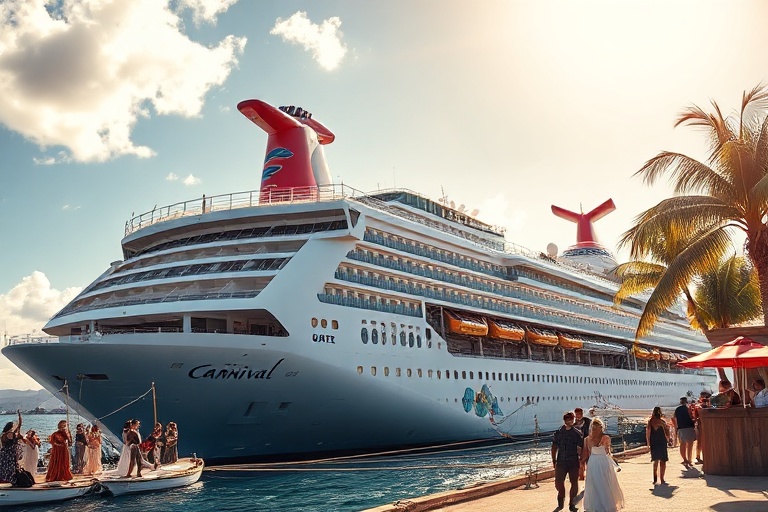
Carnival Cruise Line has long stood as a symbol of maritime adventure, blending entertainment, relaxation, and cultural exchange into week-long escapes across the world’s most coveted destinations. Founded in 1972 by Ted Arison, the company began with a single ship—the Mardi Gras—and a bold vision to make cruising accessible to middle-class Americans. Today, Carnival operates a fleet of 23 ships, carrying over 5 million guests annually to ports spanning the Caribbean, Alaska, Europe, and beyond. Its evolution reflects broader shifts in global tourism, consumer expectations, and the democratization of luxury at sea.
The Carnival Experience: Culture, Cuisine, and Connection
What defines Carnival Cruise Line is not just its destinations but the experience it crafts on board. Each ship functions as a floating microcosm of global culture, where guests can dine on Italian cuisine at the Guy’s Burger Joint, dance to Caribbean rhythms in the disco lounge, or sip handcrafted cocktails while watching Broadway-style shows. The cruise line has mastered the art of hybrid entertainment, blending American pop sensibilities with local flavors and traditions from the regions it visits.
The company’s “Fun Ship” philosophy isn’t merely a marketing slogan—it’s a carefully curated ecosystem designed to foster spontaneity and joy. From high-energy deck parties to quiet stargazing sessions at sea, Carnival caters to a wide spectrum of travelers. Families, honeymooners, solo adventurers, and retirees all find common ground in the shared rhythm of ship life. The dining rooms, often themed around different global cuisines, serve as informal classrooms where travelers sample new flavors and share stories from their own cultures.
Carnival also plays a role in cultural diplomacy. When its ships dock in ports like Havana, Cuba, or Ocho Rios, Jamaica, they become ambassadors of exchange. Guests return home with firsthand impressions of local music, art, and cuisine—often sparking deeper curiosity about the places they’ve visited. In this way, Carnival doesn’t just transport people across oceans; it builds bridges between communities.
Fleet Innovation and Environmental Stewardship
Carnival Cruise Line has expanded dramatically since its early days, but its growth has been matched by a commitment to technological and environmental advancement. The introduction of the Excel-class ships—starting with the Mardi Gras in 2021—ushered in a new era of sustainability and efficiency. These vessels feature LNG (liquefied natural gas) propulsion, reducing carbon emissions by up to 20% compared to traditional diesel engines. They also boast advanced wastewater treatment systems and energy-efficient lighting and HVAC systems.
The fleet now includes ships like the Carnival Celebration, launched in 2022, which features the first roller coaster at sea—BOLT: Ultimate Sea Coaster—offering riders panoramic ocean views at speeds up to 40 mph. Such innovations underscore Carnival’s blend of spectacle and responsibility. While critics argue that cruise ships remain significant contributors to marine pollution, Carnival has taken steps to address these concerns, including pledges to achieve net-zero emissions by 2050 and investments in shore power technology to reduce emissions while docked.
The company’s approach reflects a broader industry shift toward sustainability, one that balances guest expectations with ecological accountability. As climate change reshapes global travel patterns, Carnival’s investments in cleaner technologies will likely determine its relevance in the decades ahead.
Global Reach and Economic Impact
Carnival Cruise Line operates in nearly every major cruise market, but its strongest presence remains in the Caribbean—a region it helped transform into a year-round destination. Ports like Nassau, Cozumel, and Grand Turk have grown into economic lifelines for local communities, supported by Carnival’s passenger spending on excursions, dining, and souvenirs. According to the Florida Caribbean Cruise Association, cruise tourism generates over $3 billion annually for the region, supporting hundreds of thousands of jobs.
In Europe, Carnival has carved out a niche in the Mediterranean and Northern Europe, offering itineraries that pair cultural landmarks like Santorini and Venice with Carnival’s signature entertainment. Its partnership with Cunard and Seabourn also allows it to cater to luxury travelers seeking more exclusive experiences. Meanwhile, in Asia, Carnival has expanded cautiously, recognizing the region’s potential as a source of new guests and emerging cruise destinations like China and Japan.
Yet, Carnival’s global footprint has not been without controversy. The company has faced scrutiny over labor practices, particularly regarding crew wages and working conditions. Many crew members, predominantly from the Philippines, India, and Eastern Europe, work long hours for modest pay, often living in shared cabins aboard the ships. While Carnival has improved training and safety standards, debates continue about fair compensation and the emotional toll of extended time away from home.
Challenges and the Road Ahead
The COVID-19 pandemic posed an existential threat to Carnival and the broader cruise industry. With global travel halted in early 2020, the company suspended operations for over a year, leading to massive financial losses and furloughs of thousands of crew members. The recovery has been uneven, with demand rebounding strongly in North America but slower in Asia and parts of Europe due to lingering travel restrictions and economic uncertainty.
Carnival has responded by reimagining its booking and cancellation policies, offering more flexible options to reassure hesitant travelers. It has also leaned into digital transformation, enhancing its app to allow seamless check-ins, onboard payments, and virtual queuing for popular activities. These tools reflect a broader trend toward tech-driven convenience in travel, one that Carnival must embrace to stay competitive.
Looking forward, Carnival faces both opportunities and challenges. The rise of expedition cruises and niche travel experiences could dilute its mass-market appeal. Meanwhile, shifting consumer preferences toward sustainable and off-the-beaten-path travel may require the company to diversify its offerings beyond traditional resort-style cruising.
Yet, Carnival’s enduring strength lies in its ability to adapt. From pioneering accessible cruising in the 1970s to embracing LNG-powered ships today, the company has consistently evolved to meet the moment. As global travel continues to recover and redefine itself, Carnival Cruise Line remains a powerful force—one that connects cultures, fuels economies, and, above all, delivers joy at sea.
Why Choose Carnival? A Quick Guide
For travelers considering a Carnival Cruise, here’s what sets it apart:
- Affordability: Carnival offers competitive pricing with transparent fee structures, making it one of the most budget-friendly options in the cruise industry.
- Variety of Itineraries: Whether you’re seeking a weekend getaway in the Bahamas or a month-long transatlantic voyage, Carnival provides diverse routes catering to different interests and timeframes.
- Onboard Innovation: From water parks and comedy clubs to cooking classes and escape rooms, each ship is a self-contained entertainment hub.
- Family-Friendly: With dedicated kids’ clubs, teen lounges, and family dining options, Carnival is ideal for multigenerational travel.
- Global Accessibility: With homeports across the U.S., Europe, and Asia, Carnival makes it easy to embark from a location near you.
For those looking to combine a cruise with other adventures, Carnival’s partnerships with local tour operators offer authentic experiences—whether it’s snorkeling in Belize, exploring the ruins of Tulum, or sampling tapas in Barcelona. The cruise becomes not just a vacation, but a gateway to deeper cultural engagement.
A Final Thought: The Enduring Magic of the Open Sea
In an age of instant gratification and digital overload, Carnival Cruise Line offers something increasingly rare: a chance to unplug and reconnect. Whether it’s watching the sunset from a lounge chair, laughing with strangers at a comedy show, or simply savoring a quiet moment on deck, the cruise experience taps into universal desires for relaxation, exploration, and human connection.
As climate change and geopolitical tensions reshape global travel, Carnival’s ability to balance innovation with tradition will be key to its future. Yet one thing remains certain: for millions of travelers, the call of the open sea—and the promise of adventure—will always be irresistible.