Carnival Cruise Line: How Floating Resorts Connect Global Cultures
Carnival Cruise Line: A Floating Microcosm of Global Culture
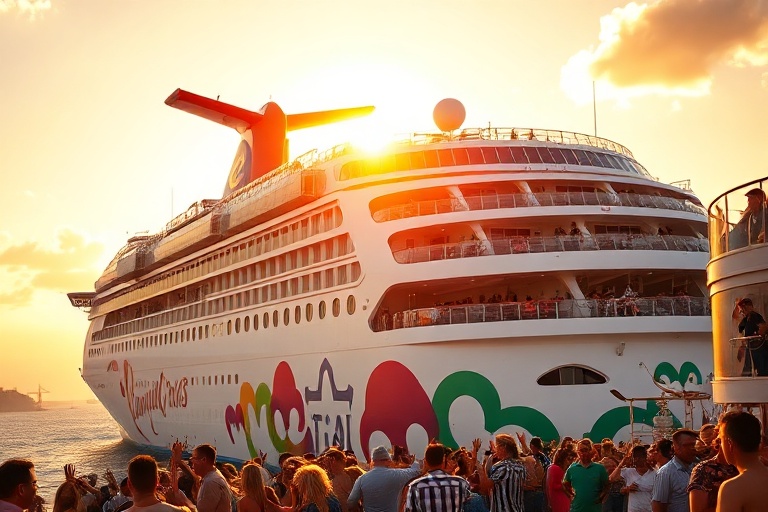
Few travel experiences blend luxury, entertainment, and cultural exchange as seamlessly as a Carnival Cruise Line voyage. Since its founding in 1972, the Miami-based company has transformed from a single ship operation into one of the most recognizable names in maritime tourism, carrying over 50 million guests across seven continents. What began as an ambitious venture by Ted Arison now represents a $20 billion industry segment, where floating resorts navigate the world’s most iconic waterways while serving as temporary homes for passengers from nearly every nation.
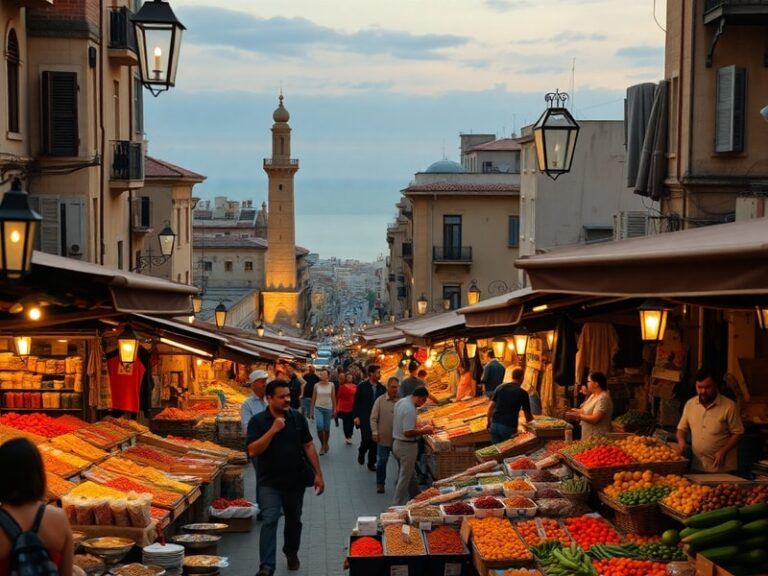
The cruise line’s global appeal lies in its ability to curate experiences that feel both intimate and expansive. Aboard Carnival ships, guests dine on cuisine inspired by Mediterranean flavors one evening, then wake to the rhythmic pulse of Caribbean soca music the next morning. This cultural layering reflects a broader trend in modern tourism: the desire for curated authenticity without sacrificing comfort. Carnival has mastered this balance by designing itineraries that don’t just pass through destinations but immerse passengers in them—whether through onboard festivals, local partnerships, or excursions that venture beyond the typical tourist path.
The Evolution of a Maritime Empire
Carnival’s growth mirrors the democratization of luxury travel. In the 1980s, the line pioneered the concept of “fun ships,” replacing formal dining rooms with casual buffets and adding water slides, mini-golf, and Broadway-style shows. This shift aligned with broader cultural changes, as middle-class families sought affordable ways to experience exotic locales. By the 1990s, Carnival had expanded into Europe and Asia, tailoring its offerings to regional tastes. In Australia, for example, ships feature Aussie-themed bars and surf-and-turf menus, while European itineraries often include wine-paired dinners and historic walking tours.
The company’s expansion hasn’t been without challenges. Environmental regulations, labor disputes, and the COVID-19 pandemic forced Carnival to adapt rapidly. During the 2020 shutdown, the line pioneered health protocols that later became industry standards, including air filtration systems, touchless check-ins, and mandatory testing. These measures underscored Carnival’s role as both a travel provider and a public health innovator—a dual responsibility in an era where tourism intersects with global crises.
Cultural Exchanges Aboard the High Seas
Few venues offer the same unscripted interactions as a Carnival cruise. The ships act as temporary melting pots, where passengers from Germany, Brazil, Japan, and South Africa share meals, dance at themed parties, and swap stories in onboard libraries. This organic cultural exchange is most visible during events like Carnival’s “Global Get Together” dinners, where tables seat guests from different countries, or during international-themed nights where national cuisines and music take center stage.
Carnival also embeds local culture into its itineraries. In Mexico, shore excursions might include cooking classes with abuela-style chefs, while Mediterranean cruises feature olive oil tastings in Tuscany or flamenco performances in Barcelona. These experiences allow passengers to engage with destinations on a deeper level, even if their time ashore is limited. The line’s partnerships with local artisans and guides ensure that excursions generate economic benefits for host communities—a model that aligns with sustainable tourism goals.
The cultural fusion extends to onboard entertainment. Carnival’s production shows often blend global dance styles, from salsa to K-pop choreography, while comedy clubs feature performers from the ship’s home countries. Even the menus reflect this diversity, with restaurants offering everything from Brazilian feijoada to Japanese ramen. This intentional hybridization creates a sense of place that feels both universal and distinctly Carnival.
The Business of Bucket-List Travel
From a commercial standpoint, Carnival Cruise Line operates within a highly competitive niche. The company’s success hinges on balancing affordability with premium experiences—a model that has attracted both budget-conscious families and luxury-seeking travelers. Carnival’s pricing strategy includes tiered options, from interior cabins to spacious suites with private balconies, ensuring accessibility without compromising revenue. Ancillary services like drink packages, spa treatments, and shore excursions contribute significantly to profits, with some guests spending more onboard than on their flights or hotels.
The cruise industry’s economic footprint is vast, supporting over 1.2 million jobs globally and generating $150 billion annually. Carnival alone employs 40,000 people across 40 countries, from Filipino crew members in the engine rooms to Caribbean locals staffing excursions. This global workforce highlights the cruise line’s role as an economic bridge between nations, where labor, capital, and tourism flow in a continuous cycle.
However, the industry faces scrutiny over its environmental impact. Carnival’s fleet of 90+ ships emits significant carbon dioxide, and plastic waste remains a concern despite efforts to reduce single-use items. The company has responded with initiatives like liquefied natural gas-powered ships and advanced wastewater treatment systems, but critics argue these measures are insufficient. The tension between economic growth and sustainability will likely define Carnival’s next chapter, as travelers increasingly prioritize eco-friendly options.
Why Carnival Stands Out in a Crowded Market
Carnival distinguishes itself through a combination of scale and specificity. Unlike ultra-luxury lines that cater to high-net-worth individuals, Carnival focuses on creating memorable experiences for the 99%. Its ships are designed to feel like floating neighborhoods, with distinct zones for relaxation, adventure, and socializing. The line’s “Fun Ship” branding isn’t just a marketing gimmick—it’s a promise that every voyage will include laughter, new connections, and moments of spontaneous joy.
This approach resonates with millennials and Gen Z travelers, who prioritize experiences over material goods. Carnival’s social media presence, which showcases viral dance challenges and behind-the-scenes crew stories, targets younger audiences who document their travels in real time. The line’s app, which allows guests to book excursions, order drinks, and connect with fellow travelers, further modernizes the experience, blending analog charm with digital convenience.
The Future of Floating Communities
As Carnival Cruise Line looks ahead, its challenges are as vast as the oceans it sails. Climate change threatens popular destinations like the Great Barrier Reef and the Mediterranean, forcing the company to rethink itineraries. Meanwhile, geopolitical tensions in regions like the South China Sea and the Black Sea require careful navigation to ensure passenger safety. These factors underscore the fragility of the cruise industry, where stability is as important as innovation.
Yet Carnival’s enduring appeal lies in its ability to adapt. The line has already begun experimenting with expedition cruises to the Arctic and Antarctica, catering to adventurous travelers seeking remote landscapes. It’s also investing in technology, from AI-driven customer service chatbots to virtual reality previews of excursions. These innovations aim to keep Carnival relevant in an era where travelers have endless options.
For those considering a Carnival voyage, the experience offers more than just a vacation—it’s a passport to cultural discovery, economic exchange, and personal reinvention. Whether you’re sipping espresso in Venice, salsa dancing in Havana, or simply watching the sunset from your balcony, the world feels a little smaller and a lot more connected aboard a Carnival ship.
As travel continues to evolve, Carnival Cruise Line remains a testament to the enduring human desire to explore, connect, and belong—even if it’s just for a week.
Conclusion
Carnival Cruise Line occupies a unique space in the global tourism ecosystem, bridging cultures, economies, and generations through its floating communities. Its ability to evolve while maintaining its core promise of fun and connection ensures its place in the travel industry for decades to come. For those seeking adventure without leaving comfort behind, Carnival offers a model of modern exploration—one where the journey is as enriching as the destination.