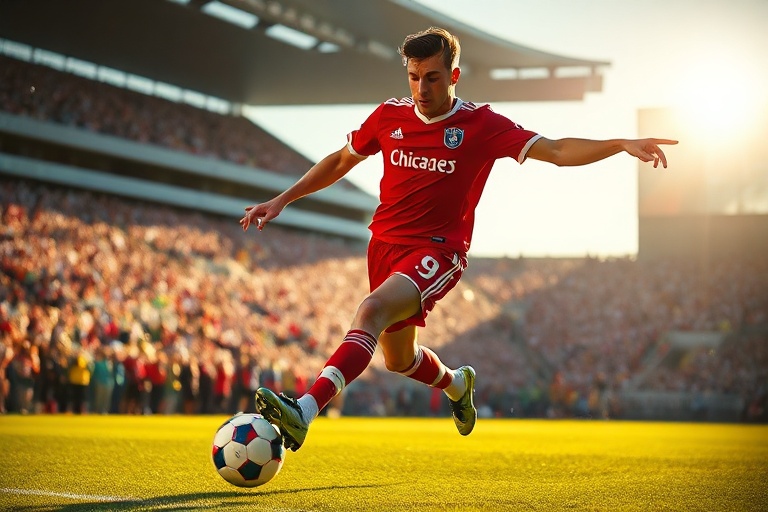
Chicago Fire FC stands as one of Major League Soccer’s most storied franchises, celebrated for its passionate fanbase and rich history since its inception in 1997. The club’s name pays homage to the Great Chicago Fire of 1871, a nod to the city’s enduring spirit of rebirth and resilience. Over the years, the Fire have carved out a unique identity in MLS, blending competitive ambition with deep community ties.
Based at Soldier Field, the team has been a constant presence in the league’s landscape, though its journey has been marked by both triumph and turbulence. From its inaugural MLS Cup victory in 1998 to recent rebuilding phases, Chicago Fire FC remains a team in transition, always striving to reclaim its place among the league’s elite.
A Brief History: From Inception to Modern Era
Founded in October 1997 as one of MLS’s first expansion teams, Chicago Fire FC wasted no time making an impact. Under the guidance of head coach Bob Bradley, the club won both the MLS Cup and U.S. Open Cup in its debut season, a feat unmatched in league history. That 1998 squad, featuring stars like Piotr Nowak and Ante Razov, set a high standard for success.
The early 2000s saw the Fire remain competitive, reaching MLS Cup finals in 2000 and 2003. However, the mid-to-late 2000s brought challenges, including ownership changes and on-field inconsistency. Despite these hurdles, the team remained a fixture in the league, with standout players such as Cuauhtémoc Blanco and Zach Thornton leaving lasting legacies.
In recent years, Chicago Fire FC has undergone significant changes, including a new ownership group led by Joe Mansueto in 2020. The club has focused on youth development and strategic signings, aiming to rebuild its identity while honoring its past.
Key Milestones in Club History
- 1998: MLS Cup and U.S. Open Cup double winners in inaugural season.
- 2000 & 2003: Reached MLS Cup finals but fell short both times.
- 2006: Blanco era begins, bringing international flair to the squad.
- 2020: Mansueto ownership takes over, signaling a new direction.
- 2023: Reached U.S. Open Cup semifinals, showing signs of resurgence.
Playing Style and Tactical Evolution
Chicago Fire FC’s identity on the field has evolved significantly over the years. In its early days, the team was known for a high-pressing, attacking style under Bradley. The 1998 squad’s fluid movement and technical skill set a benchmark for MLS at the time.
As the league matured, so did the Fire’s tactical approach. The late 2000s and 2010s saw a shift toward more defensive solidity, often relying on counterattacking football. This era included stints with pragmatic coaches like Frank Klopas and Veljko Paunović, who balanced pragmatism with creative spark.
Under current head coach Frank Klopas (his second tenure), the team has experimented with a possession-based system, emphasizing build-up play and pressing triggers. While results have been mixed, the emphasis on technical development reflects a broader shift in MLS toward more sophisticated tactics.
The Fire’s player recruitment has mirrored this evolution. The club has increasingly prioritized young, dynamic talent—such as midfielders Kacper Przybylko and Xherdan Shaqiri—while developing homegrown players like defender Rafael Czichos, who has become a fan favorite.
The Fan Experience: A Culture of Passion and Loyalty
No discussion of Chicago Fire FC would be complete without acknowledging the Supporters’ Section. Groups like the Section 8 Chicago and The Firebirds have long been the heartbeat of the club, bringing noise, creativity, and unwavering support to Soldier Field.
The fanbase’s passion is matched by its creativity. Choreography, tifos, and anthems like “Scarlet Fire” create an electric atmosphere, particularly during high-stakes matches. The team’s connection to Chicago’s diverse neighborhoods—from Bridgeview to the suburbs—adds depth to its identity.
Off the field, the Fire have worked to strengthen community ties through initiatives like the “Fire Foundation,” which supports youth soccer programs across the city. These efforts reflect the club’s commitment to being more than just a sports team—it’s a civic institution.
Challenges and the Road Ahead
Despite its rich history, Chicago Fire FC faces significant challenges in the modern MLS landscape. Competitive balance remains a hurdle, with teams like LAFC, Columbus Crew, and Inter Miami raising the bar financially and athletically. The Fire’s mid-table finishes in recent seasons underscore the need for sustained investment in both infrastructure and talent.
One of the club’s most pressing issues is stadium development. Soldier Field, while iconic, is shared with the NFL’s Bears and lacks modern soccer-specific amenities. There have been discussions about a potential new stadium in downtown Chicago or the suburbs, but progress has been slow.
On the field, consistency is key. While the Fire have shown flashes of brilliance—such as a 2023 U.S. Open Cup run—they must string together performances to qualify for the MLS Cup Playoffs. The development of young players and smart recruitment will be critical in this pursuit.
What Fans Can Expect in the Coming Seasons
- Youth Development: The club’s academy continues to produce talent, with players like defender Nathan Stirk poised for first-team opportunities.
- Strategic Recruitment: With Mansueto’s financial backing, the Fire can target high-potential players who fit the club’s evolving style.
- Stadium Plans: A new soccer-specific venue would transform the fan experience and attract more corporate investment.
- Playoff Push: With a balanced squad and clear tactical identity, the Fire aim to return to postseason contention.
Chicago Fire FC’s future hinges on balancing tradition with innovation. The club must honor its past while embracing the demands of a rapidly evolving league. For fans, the hope is that the Fire will once again rise to prominence—not just as a historic franchise, but as a dynamic, competitive team capable of challenging for championships.
As the 2024 season approaches, the stage is set for another chapter in the Fire’s story. Whether through on-field success, stadium progress, or community engagement, the club remains a vital part of Chicago’s sports culture—and its journey is far from over.
For more insights into MLS trends and team analyses, visit the News and Sports sections on Dave’s Locker.