Club WWE: How WWE’s Membership Program Redefined Wrestling Collectibles
Club WWE: The Fan-Driven Evolution of Wrestling Collectibles
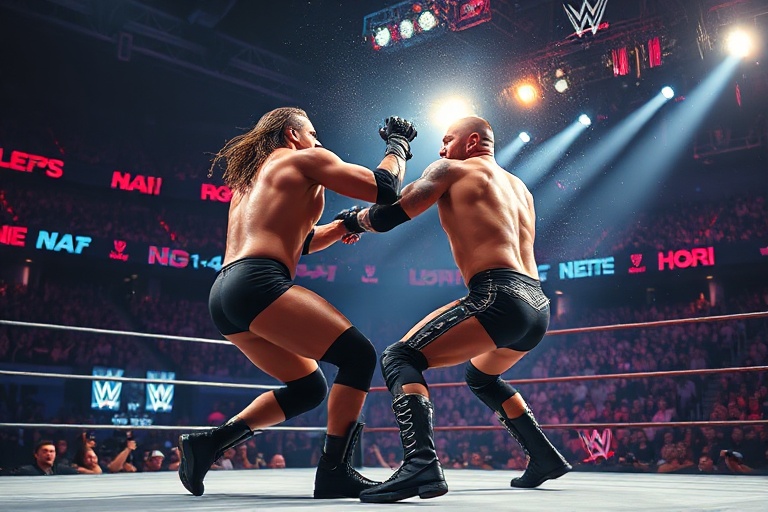
WWE’s official membership program, Club WWE, has quietly transformed from a niche collectibles hub into a cornerstone of the company’s digital ecosystem. Since its launch in 2015, the platform has evolved beyond simple trading cards and apparel, becoming a curated marketplace where fans curate, trade, and engage with wrestling memorabilia in ways that mirror real-world sports card collecting. The shift reflects broader trends in sports fandom, where exclusivity and scarcity drive value as much as nostalgia.
The program’s growth coincides with a resurgence in wrestling collectibles, a market valued at over $1 billion annually. Unlike traditional merchandise, Club WWE operates on a subscription model, offering members exclusive drops, early access, and limited-edition items tied to major WWE events. This model has not only sustained fan interest between pay-per-views but has also created a secondary economy where rare items command premium prices on platforms like eBay and Facebook Marketplace.
The Subscription Model: Exclusivity as Currency
Club WWE’s subscription tiers—ranging from free to premium—provide varying levels of access, but the real appeal lies in its tiered exclusivity. Free members receive generic digital cards and discounts, while paying subscribers gain access to signed merchandise, autographed photos, and one-of-a-kind collectibles. The highest tier, WWE NXT, offers physical memorabilia from developmental talent, a segment of the roster often overlooked in mainstream collecting.
This structure mirrors the tiered membership models of sports teams and museums, where premium experiences justify higher fees. However, WWE’s approach is unique in how it blends digital and physical collectibles. Members receive digital cards via the Club WWE app, but these cards often come with redemption codes for physical items, bridging the gap between virtual and tangible fandom.
Community and Culture: The Secondary Market’s Rise
The secondary market for Club WWE items has grown into a thriving ecosystem. Collectors trade cards on Discord servers, organize meetups to showcase their hauls, and even collaborate with WWE to authenticate rare finds. This grassroots economy has given rise to a new class of influencers—collectors who document their unboxings on YouTube or TikTok, often racking up millions of views per video.
Yet, the secondary market isn’t without controversy. Some fans argue that WWE’s limited releases create artificial scarcity, driving up prices beyond what casual collectors can afford. Others point to the environmental impact of plastic packaging and disposable collectibles. These debates highlight the broader tensions in modern fandom: between exclusivity and accessibility, between digital convenience and physical nostalgia.
Broader Implications: Collectibles as Engagement Tools
Club WWE’s success underscores a larger shift in how sports and entertainment brands monetize fan engagement. By treating collectibles as both products and experiences, WWE has turned passive viewers into active participants. This strategy isn’t limited to wrestling; similar models exist in the NBA, NFL, and even esports, where digital trading cards (like NBA Top Shot) have generated hundreds of millions in revenue.
The broader implications are significant. For one, collectibles are no longer ancillary to the main product—they are the main product. WWE’s ability to monetize nostalgia while fostering new fandom demonstrates how traditional entertainment companies can adapt to digital-first audiences. For another, the rise of secondary markets suggests that collectibles are evolving into financial assets, much like stocks or cryptocurrencies, where value fluctuates based on rarity and demand.
What’s Next for Club WWE?
As WWE continues to expand its global footprint, Club WWE is poised to play a bigger role in the company’s long-term strategy. Potential developments include:
- Augmented Reality Integration: Imagine scanning a Club WWE card with your phone to unlock exclusive video content or AR-enhanced collectibles.
- Blockchain and NFTs: While WWE has been cautious about NFTs, Club WWE’s digital infrastructure could easily pivot to blockchain-based ownership, ensuring authenticity and resale rights.
- Global Expansion: Club WWE’s current focus is on North America and the UK, but markets like India and Japan—where wrestling fandom is strong—could unlock new revenue streams.
- Sustainability Initiatives: As environmental concerns grow, WWE might introduce recyclable packaging or digital-only collectibles to reduce its carbon footprint.
One thing is clear: Club WWE is more than a merchandise program. It’s a microcosm of how modern fandom operates—where exclusivity, community, and commerce intersect. Whether it’s a signed John Cena photo or a digital Randy Orton card, the items in fans’ collections are more than just objects. They’re badges of loyalty, investments in nostalgia, and sometimes, tickets to a financial windfall.
Conclusion
Club WWE’s journey from a simple collectibles store to a cultural touchstone illustrates the power of fan-driven economies. In an era where content is abundant but attention is scarce, WWE has found a way to make its most loyal followers feel like stakeholders in its success. The program’s ability to blend exclusivity with accessibility, digital with physical, and commerce with community sets a new standard for how entertainment brands can engage their audiences.
Yet, the challenges ahead—balancing scarcity with affordability, digital with sustainability, and exclusivity with inclusivity—will determine whether Club WWE remains a novelty or becomes a permanent fixture in the wrestling world. One thing is certain: the evolution of Club WWE reflects a broader truth about modern fandom. Collectibles aren’t just about what you own; they’re about what you’re willing to fight for.
For fans, that’s the real prize.
Explore more wrestling collectibles and WWE updates on WWE Merchandise and Sports Trading Cards.