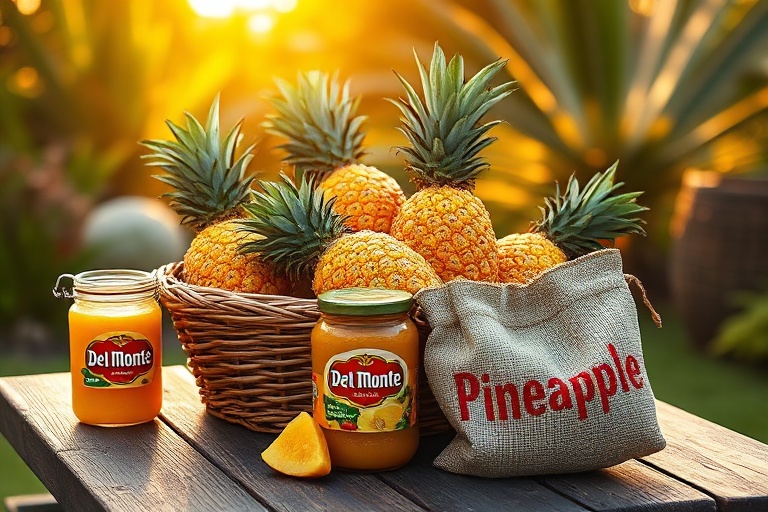
del monte
Few food brands have endured as long as Del Monte. Founded in 1892 through the merger of several West Coast fruit packers, the company has spent over a century transforming from a regional canner into a global food powerhouse. Today, Del Monte Foods operates in more than 90 countries, with products ranging from canned vegetables to premium fruit cups and tomato sauces. The brand’s longevity isn’t just a product of time—it’s a result of strategic adaptation, consumer trust, and a relentless focus on quality.
The Origins: From Gold Rush Beginnings to National Expansion
Del Monte’s story begins in the late 19th century, when California’s booming agriculture industry created opportunities for food preservation. The brand emerged from the consolidation of several small packing companies, including the Del Monte Fruit Company and the Oakland Preserving Company. By 1899, the name “Del Monte” was officially adopted, inspired by a Monterey-area hotel of the same name known for its luxury and abundance.
The company’s early success came from canning fruits and vegetables at peak ripeness, a novel concept at the time. This approach allowed consumers across the U.S. to enjoy out-of-season produce year-round. By the mid-20th century, Del Monte had expanded into frozen foods and beverages, becoming a household name. Its iconic blue-and-gold packaging became synonymous with reliability and taste.
What set Del Monte apart was not just its products, but its vertical integration. The company owned vast orchards and farms, giving it control over quality from soil to shelf. This model ensured consistency even as food trends evolved.
A Modern Portfolio: Diversification Beyond the Can
While Del Monte is still best known for canned goods, the brand has significantly broadened its offerings. Today, it operates through two main divisions: Del Monte Fresh Produce and Del Monte Foods. The Fresh Produce division focuses on exporting fresh bananas, pineapples, and other tropical fruits to global markets. Meanwhile, Del Monte Foods sells shelf-stable products like canned tomatoes, corn, green beans, and fruit cups in the U.S. and Canada.
The company has also embraced health-conscious trends. In recent years, it has introduced low-sodium, organic, and no-sugar-added varieties to meet changing consumer preferences. Notably, Del Monte’s Fruit Parfaits and Fruit Naturals lines cater to snackers looking for convenient, nutritious options. These products reflect a broader industry shift toward better-for-you convenience foods.
Del Monte has also expanded into pet food with its Del Monte Premium pet food line, leveraging its expertise in nutrition and ingredient sourcing. This diversification helps the company mitigate risks tied to any single market.
Key Milestones in Del Monte’s Evolution
- 1892: Formation through the merger of West Coast fruit packers.
- 1916: Introduction of the first nationally distributed canned pineapple.
- 1960s: Expansion into frozen foods, including vegetables and prepared meals.
- 1989: Leveraged buyout leads to private ownership under Del Monte Pacific, Ltd.
- 2010s: Focus on health and sustainability, with organic and low-sodium lines.
- 2020: Launch of Del Monte Fruit Parfaits and expanded pet food line.
Challenges and Controversies: Navigating a Changing Food Landscape
Despite its success, Del Monte has faced challenges common to legacy food brands. One major issue has been public perception around canned foods. While once seen as a modern convenience, canned goods now face scrutiny over sodium content, BPA linings, and perceived nutritional inferiority to fresh options. Del Monte has responded with reformulations, such as removing artificial flavors and reducing sodium in many products.
The company has also dealt with labor controversies. Del Monte Fresh Produce, which sources much of its fruit from Latin America, has faced criticism over worker conditions and wages. In 2019, the Fair Food Program and the Coalition of Immokalee Workers highlighted ongoing issues in tomato farming, prompting Del Monte to strengthen its supplier standards and sign onto the program.
Environmental concerns have also emerged. Like many large food producers, Del Monte is under pressure to reduce its carbon footprint. The company has committed to sustainable sourcing, including sourcing 100% of its pineapples from Rainforest Alliance-certified farms by 2025. It has also invested in water conservation and reduced food waste across its supply chain.
The Future: Innovation, Sustainability, and Consumer Trust
Looking ahead, Del Monte appears well-positioned to continue evolving. The company’s dual focus on fresh produce and shelf-stable foods gives it resilience in volatile markets. Its investments in organic and low-sodium products align with growing consumer demand for healthier options without sacrificing convenience.
Sustainability will likely remain a key driver. Del Monte has set ambitious goals, including achieving net-zero emissions by 2050 and sourcing all key ingredients responsibly. These commitments not only address environmental concerns but also resonate with younger, eco-conscious consumers.
Innovation will also play a role. The rise of plant-based foods and alternative proteins could lead Del Monte to explore new categories, potentially under its trusted brand name. Whether through plant-based tomato products or fortified fruit snacks, the company has room to experiment while staying true to its core values.
Ultimately, Del Monte’s future hinges on its ability to balance tradition and innovation. The brand’s century-long success proves that heritage alone isn’t enough—what matters is adaptability. By listening to consumers, investing in sustainability, and maintaining quality, Del Monte can continue serving tables across generations.
For those interested in how legacy brands navigate modern challenges, Del Monte offers a compelling case study. It’s a reminder that in business, as in food, freshness isn’t just about ingredients—it’s about vision.
Explore more on food industry trends and brand evolution in our Food category and Business category.