Día de la Madre: Global Traditions and Cultural Meaning
Día de la Madre: A Global Celebration of Love and Tradition
The second Sunday in May brings an annual pause for reflection and appreciation across the United States and parts of Latin America. Día de la Madre, or Mother’s Day, blends historical reverence with modern commercial expressions, creating a holiday that is both deeply personal and widely observed. While its origins vary, the day has evolved into a global phenomenon that unites families in celebration of maternal bonds.
This observance traces its roots to ancient civilizations that honored mother goddesses. The Greeks paid tribute to Rhea, mother of the gods, while the Romans celebrated Cybele with festivals in spring. In early Christian Europe, a day devoted to the Virgin Mary was established on the fourth Sunday of Lent. These traditions laid the foundation for the more contemporary version that emerged in the late 19th and early 20th centuries.
The American Influence and Global Spread
Modern Mother’s Day in the United States is credited to Anna Jarvis, who campaigned for a national holiday after the death of her mother in 1905. Jarvis wanted to honor the sacrifices mothers make for their children and promote peace. In 1914, President Woodrow Wilson signed a proclamation designating the second Sunday in May as Mother’s Day. The holiday quickly spread to neighboring countries, often adapting local customs and cultural nuances.
In Mexico, Día de la Madre is celebrated on May 10, regardless of the day of the week. The tradition began in 1922 when a newspaper editor encouraged the public to honor mothers after the Mexican Revolution. Families gather for mariachi serenades, heartfelt speeches, and feasts featuring mole and pozole. The celebration is marked by strong community participation and a sense of national pride.
Across the Atlantic in Spain and Portugal, Mother’s Day aligns with the Catholic tradition of the Feast of the Immaculate Conception on December 8. Families attend mass, exchange small gifts, and share meals. In countries like Thailand, the holiday falls on August 12, the birthday of Queen Sirikit, who is revered as the mother of the nation. Such variations highlight how cultural identity shapes the expression of gratitude toward mothers.
Cultural Rituals and Modern Traditions
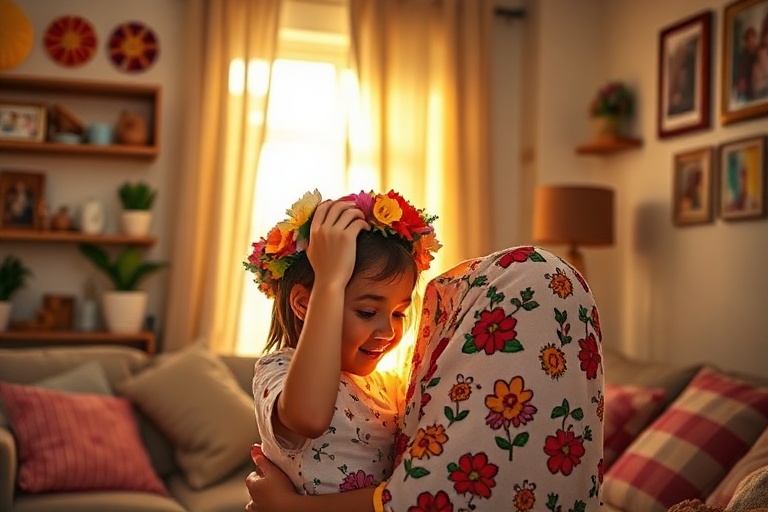
While gift-giving and cards remain universal symbols of appreciation, regional customs add depth to the celebration. In Japan, Mother’s Day is celebrated on the second Sunday of May with carnations and handwritten letters. The holiday gained popularity after World War II, reflecting a shift toward family-centered values in post-war society. Schools often involve children in creating gifts, reinforcing the connection between generations.
In Ethiopia, families celebrate Antrosht, a multi-day festival honoring mothers that coincides with the end of the rainy season. Communities gather for feasts, singing, and dancing. Women prepare traditional dishes like dabo (Ethiopian bread) and share stories about their mothers and grandmothers. The event is less about commercial gifts and more about storytelling and cultural continuity.
The commercialization of Mother’s Day has sparked debate, particularly in the United States, where spending on gifts, flowers, and dining out exceeds $30 billion annually. Critics argue that the holiday has strayed from its original intent, while supporters see it as an opportunity to strengthen family bonds. Many families now balance heartfelt gestures with practical expressions of love, such as cooking a meal or spending quality time together.
Challenges and Evolving Perspectives
Despite its widespread popularity, Día de la Madre is not universally celebrated on the same day or in the same way. Some countries observe it in March, August, or December, depending on historical or religious significance. In countries like the United Kingdom, Mother’s Day aligns with the Christian calendar and falls on the fourth Sunday of Lent. This variation can lead to confusion for expatriates and multicultural families.
Another challenge is the commercial pressure to conform to Westernized ideals of gift-giving. In some cultures, the emphasis on expensive presents can create financial strain, particularly for low-income families. Social media has intensified this trend, with influencers promoting lavish celebrations as the standard. However, many advocates encourage returning to the holiday’s roots—simple acts of gratitude and quality time over material gifts.
There is also growing recognition of diverse family structures. Single mothers, adoptive parents, and chosen families are increasingly included in celebrations. Schools and workplaces are adapting by acknowledging all forms of caregiving. This evolution reflects broader societal changes toward inclusivity and recognition of non-traditional family roles.
How to Celebrate with Meaning
For those seeking to honor Mother’s Day in a more personal way, consider these thoughtful alternatives to store-bought gifts:
- Handwritten Letters: A heartfelt note often means more than a purchased card. Share specific memories, lessons learned, and expressions of gratitude.
- Memory Sharing: Organize a family gathering where everyone shares a story about their mother or maternal figure. This strengthens bonds and preserves family history.
- Nature-Based Gifts: Plant a tree, create a garden, or gift a houseplant. These symbols of growth align with the springtime season and offer lasting beauty.
- Volunteer Together: Spend time at a local shelter, nursing home, or community center. Helping others can be a powerful way to honor the spirit of giving.
- Quality Time: Plan a day without distractions. Whether it’s a picnic, a walk in the park, or a movie marathon, uninterrupted presence speaks volumes.
In an era of digital communication, the simplicity of presence often stands out. A phone call, a video chat, or a visit can mean more than a bouquet of flowers that will wilt in a week. The essence of Día de la Madre lies not in the grandeur of the celebration but in the sincerity of the connection.
Looking Ahead: The Future of Mother’s Day
As global perspectives on family and caregiving continue to evolve, so too will the traditions of Mother’s Day. The holiday may increasingly reflect diverse family structures, cultural practices, and modern values. Technology will likely play a larger role, with virtual celebrations bridging distances for families separated by geography.
Yet, at its core, Día de la Madre remains a testament to the universal importance of maternal love. Whether marked with a grand feast, a quiet moment of reflection, or a simple gesture of thanks, the holiday serves as a reminder of the enduring impact mothers and maternal figures have on individuals and societies.
As we celebrate, let us honor not only the mothers in our lives but also the broader concept of care, nurturing, and community that they represent. In doing so, we ensure that the spirit of the holiday continues to resonate across generations and cultures.